
Is Earl Grey tea good for you? What Earl Grey and bergamot are good for
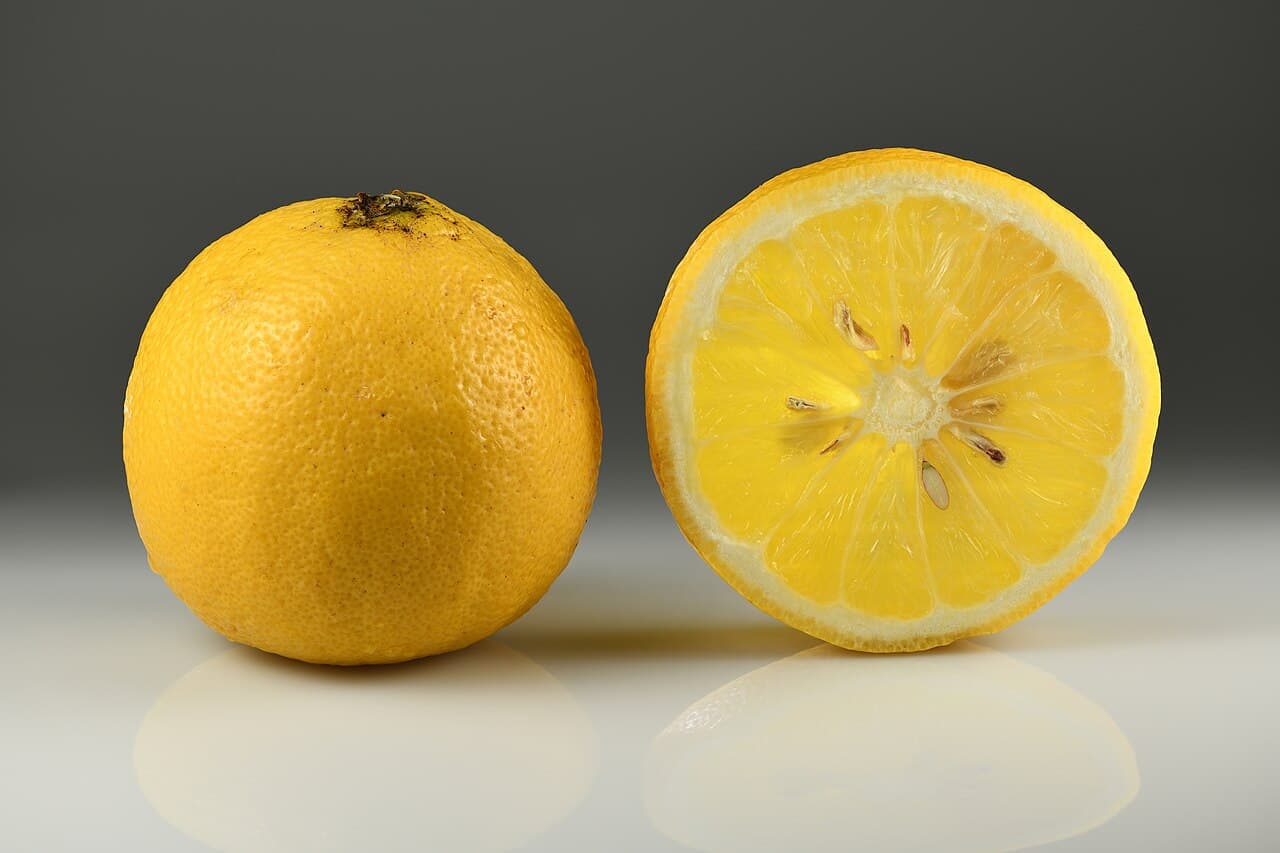
Black tea (Camellia sinensis) scented with oil from the rind of bergamot orange (Citrus bergamia)
Earl Grey tea is good for the heart in the same way as black tea (small reductions in blood pressure and LDL cholesterol in trials), for a calmer kind of alertness, and for mood, because the bergamot oil that scents it has been shown to lower stress hormones and lift mood when inhaled. The tea is simply black leaf sprayed or tossed with bergamot rind oil, so its benefits are black tea's plus whatever the citrus aroma adds.
Bergamot is a small, bitter citrus grown almost entirely in Calabria, Italy. Its rind oil carries linalool, linalyl acetate and limonene, which give Earl Grey its perfume, plus small amounts of bergapten, a furanocoumarin that matters for safety at very high intakes. The bergamot supplements marketed for cholesterol use polyphenols from the fruit's juice and pulp, not the rind oil, so a cup of Earl Grey does not deliver those doses.
Is Earl Grey good for you? Yes, as a daily black tea, with the same practical rules: no sugar, keep it away from iron-rich meals if your iron is low, and stay within the 200 mg caffeine limit in pregnancy. The one Earl Grey-specific caution is the man who drank 4 litres a day and developed muscle cramps from bergapten, which is a story about extreme volume, not ordinary cups.
What earl grey tea is good for
- Blood pressure — the black tea base lowered systolic pressure by about 2–3 mmHg in a 6-month trial of 3 cups a day
- LDL cholesterol — black tea lowered LDL by about 4.6 mg/dL across 15 randomised trials
- Mood and stress — 15 minutes of bergamot aroma lowered salivary cortisol and improved mood in trials of healthy women and patients in waiting rooms
- Alertness — 40–60 mg caffeine with L-theanine per cup for focus without the coffee edge
- Lower mortality — 2+ cups of (mostly black) tea a day linked with 9–13% lower death rates in nearly 500,000 UK adults
- Digestion — the bergamot and black tea tannins have a long tradition for settling the stomach, with little direct evidence
Earl Grey tea benefits, graded by the evidence
Strong = multiple human trials or a meta-analysis. Moderate = a few small trials. Preliminary = early, traditional or animal data.
Lowers blood pressure a little (black tea base)
Strong evidenceEarl Grey is black tea, so it carries the black tea evidence: in a 6-month randomised trial, 95 adults drinking 3 cups a day had 24-hour systolic pressure 2–3 mmHg lower than a caffeine-matched placebo, and a meta-analysis of 11 trials found systolic down about 1.8 mmHg and diastolic 1.3 mmHg. The bergamot oil adds no measurable blood-pressure effect at the amounts in tea.
Key evidenceHodgson et al., Archives of Internal Medicine 2012; Greyling et al., PLoS One 2014.
Lowers LDL cholesterol (black tea base)
Strong evidenceA meta-analysis of 15 randomised trials found black tea lowered LDL cholesterol by about 4.6 mg/dL, most clearly in people at higher cardiovascular risk and in trials lasting over 4 weeks. The bergamot polyphenol supplements that lowered LDL by 20–30% in Italian trials used 500–1,000 mg a day of extract from the fruit, hundreds of times more than the trace in a scented tea leaf, so do not expect that from Earl Grey.
Key evidenceWang et al., PLoS One 2014; Mollace et al., Fitoterapia 2011 (bergamot extract, for contrast).
Lifts mood and lowers stress hormones (bergamot aroma)
Moderate evidenceIn a randomised crossover trial, 41 healthy women who inhaled bergamot essential oil vapour for 15 minutes had lower salivary cortisol and higher positive mood scores than after resting without it; a separate trial in a mental-health waiting room found 15 minutes of bergamot aroma improved positive feelings by about 17% compared with water vapour. Drinking Earl Grey delivers the same volatile oils by nose and mouth, at a lower dose than a diffuser.
Key evidenceWatanabe et al., Forschende Komplementärmedizin 2015; Han et al., Phytotherapy Research 2017.
Alert, steady focus
Strong evidenceA cup supplies 40–60 mg of caffeine with 5–10 mg of L-theanine, the pairing that improved attention switching and cut distractibility within an hour in placebo-controlled trials, while theanine moderated caffeine's effect on blood pressure and tension. Linalool, the main bergamot aromatic, is mildly calming in animal and small human inhalation studies, which fits Earl Grey's reputation as a focused rather than jittery cup.
Key evidenceHaskell et al., Biological Psychology 2008.
Linked with lower mortality (black tea base)
Moderate evidenceIn the UK Biobank, 498,043 adults followed for 11 years showed 9–13% lower all-cause mortality among those drinking 2 or more cups of tea a day, almost all of it black, with lower cardiovascular and stroke deaths. The link held with milk and sugar. Earl Grey drinkers were part of that population, though the study did not separate blends.
Key evidenceInoue-Choi et al., Annals of Internal Medicine 2022.
Antimicrobial activity of bergamot oil
Preliminary evidenceBergamot essential oil and its components inhibit bacteria including Staphylococcus aureus, Listeria and some Campylobacter strains in laboratory studies, and show activity against Candida and skin fungi, largely through linalool and linalyl acetate. These are in-vitro results at concentrations well above what a cup of tea contains; there is no evidence that drinking Earl Grey fights infections.
Key evidenceNavarra et al., Frontiers in Pharmacology 2015, review of Citrus bergamia oil.
Supports digestion
Preliminary evidenceBergamot has been used in Italian folk medicine for indigestion, and citrus limonene and linalool relax gut smooth muscle in animal studies, while black tea tannins have a mild astringent effect that can firm loose stools. No trial has tested Earl Grey for digestive symptoms, and for people with reflux the caffeine and acidity are more likely to aggravate than soothe.
Key evidenceTraditional use and animal pharmacology only.
Is earl grey tea good for you?
- Yes for most adults: 2–4 cups a day gives black tea's modest blood-pressure and LDL benefits, calm focus and a pleasant aromatic lift that has some trial support.
- Do not buy Earl Grey for the bergamot cholesterol effect; that comes from fruit-extract supplements at doses a scented tea cannot supply.
- Black tea with meals blocks most of the non-heme iron in that meal; iron-deficient people and vegetarians should drink it an hour or more away from food.
- Stay under about a litre a day to keep bergapten well below the level that caused muscle cramps in one 4-litre-a-day case, keep to 2–3 cups in pregnancy, and cut back if you have reflux, insomnia or anxiety.
How to brew earl grey tea
1 teaspoon (2–3 g) loose leaf or 1 bag per 8 oz (240 ml)
200–212°F / 93–100°C, at or just off the boil
3 to 4 minutes; the bergamot turns soapy and the tea bitter beyond 5
- Look for 'natural bergamot oil' or 'oil of bergamot' on the label; many cheap blends use synthetic bergamot flavouring with none of the studied compounds.
- A slice of lemon suits Earl Grey better than milk; if you want a London Fog, steep strong (5 minutes) before adding steamed milk and a little vanilla.
- Store it airtight and away from other teas; the oil fades within months and will scent anything stored next to it.
How much per day
Two to four cups a day (roughly 100–240 mg caffeine) matches the black tea trials and keeps bergapten intake trivial. There is no reason to go beyond a litre a day, which is the point at which caffeine, iron and bergapten considerations start to add up.
About 40–60 mg per 8 oz cup, the same as the black tea it is made from; bergamot adds no caffeine.
Side effects, interactions and who should limit it
Side effects
- Restlessness, palpitations or poor sleep from caffeine, especially above 4 cups
- Reduced iron absorption from meals drunk with tea
- Heartburn in people with reflux; citrus oil plus caffeine can aggravate it
- Tooth staining from black tea theaflavins
- Muscle cramps, twitching and blurred vision reported in one man drinking 4 litres a day, attributed to bergapten blocking potassium channels; resolved on stopping
- Skin sensitivity to sunlight from bergamot oil on the skin (not from drinking the tea)
Interactions
- Iron supplements and iron-rich meals: separate by 1–2 hours
- Stimulants, decongestants and MAO inhibitors: additive caffeine effects
- Drugs cleared by CYP3A4 (some statins, calcium-channel blockers, certain immunosuppressants): bergamot furanocoumarins are the same family as grapefruit's and inhibit the enzyme in the lab, though the amount in a cup is far below a glass of grapefruit juice
- Potassium-lowering drugs and diuretics: heavy Earl Grey intake (litres a day) could add to muscle cramps through bergapten
- Photosensitising medications (doxycycline, some retinoids): bergamot oil on skin raises sun sensitivity; drinking it is not a concern
- Nadolol and related beta-blockers: tea catechins reduce absorption; separate by several hours
Pregnancy and breastfeeding
Two to three cups a day is generally fine in pregnancy, keeping total caffeine under 200 mg and drinking it between meals so it does not block iron; the bergamot oil in a scented tea is far too little to matter. While breastfeeding, 2–3 cups a day is reasonable; move to decaf Earl Grey if your baby seems wakeful.
Frequently asked questions
Is Earl Grey tea good for you every day?
Yes, at 2–4 cups a day it is as good for you as any black tea, which is linked with lower blood pressure, LDL and mortality, and the bergamot aroma has small trials behind it for mood. Keep sugar out, drink it between meals if your iron runs low, and stop by mid-afternoon if caffeine disturbs your sleep.
What is bergamot in Earl Grey tea?
Bergamot is a sour citrus fruit (Citrus bergamia) grown mainly on the Calabrian coast of Italy. The oil pressed from its rind, rich in linalool, linalyl acetate and limonene, is sprayed onto black tea leaves to make Earl Grey. It is the same oil used in perfumery, and it is distinct from the bergamot fruit polyphenol extracts sold as cholesterol supplements.
Does Earl Grey lower cholesterol?
Only as much as plain black tea does, about 4–5 mg/dL of LDL in trials of 3–5 cups a day. The 20–30% LDL reductions reported for bergamot came from 500–1,000 mg daily of a concentrated polyphenol extract from the fruit, not from rind oil, and a cup of Earl Grey contains only a trace of that oil. If cholesterol is the goal, look at the bergamot extract evidence separately.
How much caffeine is in Earl Grey?
About 40–60 mg per 8 oz cup, the same as the black tea it is made from; bergamot adds none. Decaf Earl Grey has 2–5 mg. Rooibos Earl Grey, made with South African red bush instead of black tea, is caffeine-free and keeps the bergamot aroma.
Is Earl Grey tea bad for you in large amounts?
In normal amounts, no. The caution comes from a published case of a man who drank 4 litres a day and developed muscle cramps, twitching and blurred vision; bergapten in the oil blocks potassium channels in muscle and nerve, and his symptoms cleared when he cut back. Below a litre a day that is not a realistic concern, and caffeine would be the first limit you hit anyway.
Does Earl Grey help with anxiety or stress?
The bergamot aroma has modest trial support: 15 minutes of inhaled bergamot vapour lowered salivary cortisol and improved mood in healthy women and in people waiting for mental-health appointments. A cup delivers less aroma than a diffuser but adds L-theanine, which smooths caffeine's edge. It is a pleasant ritual with some evidence, not a treatment for an anxiety disorder.
References
- Finsterer J. Earl Grey tea intoxication. The Lancet (2002)
- Watanabe E, Kuchta K, Kimura M, et al.. Effects of bergamot (Citrus bergamia (Risso)) essential oil aromatherapy on mood states, parasympathetic nervous system activity, and salivary cortisol levels in 41 healthy females. Forschende Komplementärmedizin (2015)
- Han X, Gibson J, Eggett DL, Parker TL. Bergamot (Citrus bergamia) essential oil inhalation improves positive feelings in the waiting room of a mental health treatment center: a pilot study. Phytotherapy Research (2017)
- Navarra M, Mannucci C, Delbò M, Calapai G. Citrus bergamia essential oil: from basic research to clinical application. Frontiers in Pharmacology (2015)
- Mollace V, Sacco I, Janda E, et al.. Hypolipemic and hypoglycaemic activity of bergamot polyphenols: from animal models to human studies. Fitoterapia (2011)
- Hodgson JM, Puddey IB, Woodman RJ, et al.. Effects of black tea on blood pressure: a randomized controlled trial. Archives of Internal Medicine (2012)
- Wang D, Chen C, Wang Y, Liu J, Lin R. Effect of black tea consumption on blood cholesterol: a meta-analysis of 15 randomized controlled trials. PLoS One (2014)
- Inoue-Choi M, Ramirez Y, Cornelis MC, et al.. Tea consumption and all-cause and cause-specific mortality in the UK Biobank: a prospective cohort study. Annals of Internal Medicine (2022)
- Hurrell RF, Reddy M, Cook JD. Inhibition of non-haem iron absorption in man by polyphenolic-containing beverages. British Journal of Nutrition (1999)
- U.S. Food and Drug Administration. Spilling the Beans: How Much Caffeine is Too Much?. FDA Consumer Updates (2024)View source
Guides that rank earl grey tea
Go deeper
Other teas
Is earl grey tea right for you?
Ask AskMN. It knows these studies, checks interactions with the medications you tell it about, and it is free and unlimited, no account needed.
Ask about earl grey teaThis page is educational and is not medical advice. Herbal teas can interact with prescription medicines. Talk with a clinician or pharmacist before relying on any of them, especially if you are pregnant, breastfeeding, have a chronic condition, or take medication.