
Is green tea good for you? What green tea is good for, graded by the evidence
Camellia sinensis leaves, steamed or pan-fired to stop oxidation
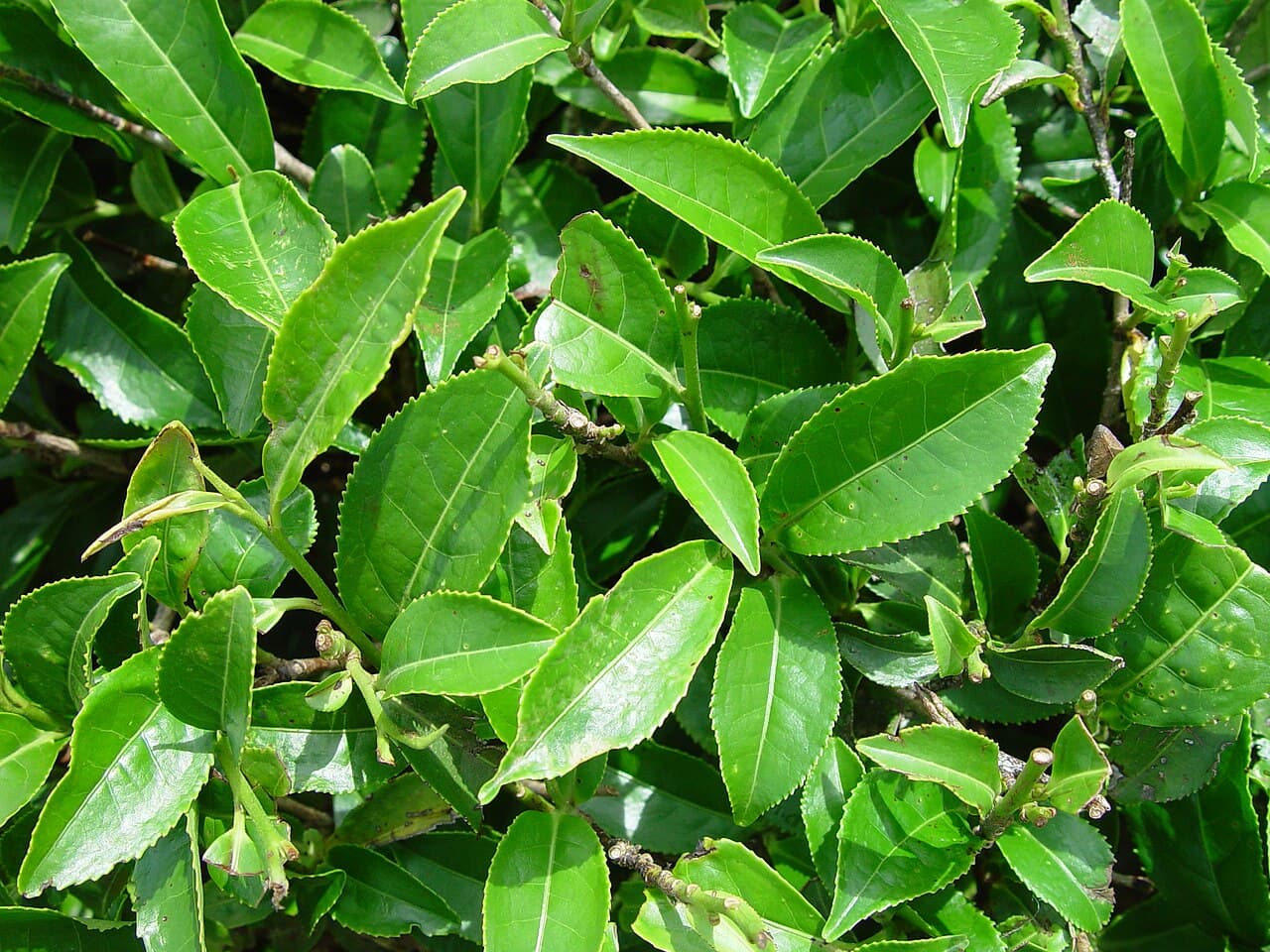
Green tea is best supported for heart health (it lowers LDL cholesterol and blood pressure a little), for calm alertness from its caffeine and L-theanine pairing, and for a modest nudge to weight and blood sugar when it replaces sugary drinks. In the largest cohort studies, people drinking three to five cups a day have lower rates of cardiovascular death than those who drink less than one cup, and randomised trials back up the mechanism: catechins, chiefly EGCG, are the active compounds.
Green tea is the unoxidised form of the tea plant, Camellia sinensis. The leaves are heated soon after picking, by steaming in Japan or pan-firing in China, which preserves the catechins that oxidation would convert into the theaflavins of black tea. A cup therefore delivers roughly 50–100 mg of EGCG, about 30 mg of caffeine and 5–10 mg of L-theanine, with the exact numbers depending on the leaf, the water temperature and the steep.
Is green tea good for you? For most adults, yes: it is one of the few daily drinks with human trial data behind it and a long safety record at three to five cups a day. The honest caveats are that the effects are modest, that concentrated extracts are not the same as brewed tea, and that the tannins reduce iron absorption when you drink it with meals. This page grades each claim by the human evidence, then covers brewing, dose and who should hold back.
What green tea is good for
- LDL cholesterol — about 4–5 mg/dL lower across 31 randomised trials, with total cholesterol down a similar amount
- Blood pressure — systolic roughly 2 mmHg lower in meta-analyses of 2–4 cups a day for 3–12 weeks
- Heart health — 5+ cups a day linked with 26% lower cardiovascular mortality in a 40,000-person Japanese cohort
- Alertness and focus — caffeine plus L-theanine improves attention and reaction time within an hour, with less jitter than coffee
- Weight — about 1.3 kg more loss than placebo over 12 weeks in trials of catechin-caffeine mixes; a Cochrane review calls it small
- Blood sugar — fasting glucose down ~1.6 mg/dL and HbA1c down ~0.3% in pooled trials, mostly in people at metabolic risk
Green tea benefits, graded by the evidence
Strong = multiple human trials or a meta-analysis. Moderate = a few small trials. Preliminary = early, traditional or animal data.
Lowers LDL and total cholesterol
Strong evidenceA 2020 meta-analysis of 31 randomised trials (3,321 adults) found green tea or its catechins lowered LDL cholesterol by about 4.6 mg/dL and total cholesterol by 4.7 mg/dL over 3 weeks to 12 months, without changing HDL. The effect was larger in people who started with higher cholesterol and in trials lasting over 12 weeks. Typical doses were 2–4 cups a day or 300–900 mg of catechins.
Key evidenceXu et al., Nutrition Journal 2020, meta-analysis of 31 RCTs.
Lowers blood pressure a little
Strong evidencePooled analyses of 13–20 randomised trials show green tea lowers systolic blood pressure by about 1.9–2 mmHg and diastolic by 0.5–1.9 mmHg compared with control, over 3 to 24 weeks. That is small for one person but meaningful across a population, and the drop was larger in trials with overweight or hypertensive participants. Doses were usually 2–4 cups or 200–600 mg of catechins a day.
Key evidenceOnakpoya et al., Nutrition, Metabolism & Cardiovascular Diseases 2014; Liu et al., British Journal of Nutrition 2014.
Linked with lower cardiovascular mortality
Moderate evidenceIn the Ohsaki cohort of 40,530 Japanese adults followed for 11 years, those drinking 5 or more cups a day had 26% lower cardiovascular mortality and 16% lower all-cause mortality than those drinking under one cup, with the strongest link for stroke in women. This is observational, so it cannot prove cause, but the cholesterol and blood-pressure trials make the association plausible.
Key evidenceKuriyama et al., JAMA 2006, Ohsaki cohort, 40,530 adults.
Sharpens attention without the coffee jitters
Strong evidenceGreen tea pairs 25–45 mg of caffeine with 5–10 mg of L-theanine per cup. In placebo-controlled crossover trials, 40–50 mg caffeine with 100 mg L-theanine improved accuracy on attention-switching tasks and reduced susceptibility to distraction within 60–90 minutes, and L-theanine blunted the rise in blood pressure that caffeine alone produced. Most trials used doses equal to 2–4 cups.
Key evidenceHaskell et al., Biological Psychology 2008; Owen et al., Nutritional Neuroscience 2008.
Modest help with weight and body fat
Moderate evidenceA meta-analysis of 11 trials found catechin-caffeine mixtures produced about 1.3 kg more weight loss than control over roughly 12 weeks, and helped keep weight off after dieting. A Cochrane review of 14 trials was more cautious: the loss was small, 0.2–3.5 kg, and not clinically important in people of European descent. Green tea helps most when it replaces a sugary drink rather than as a fat-burning agent.
Key evidenceHursel et al., International Journal of Obesity 2009; Jurgens et al., Cochrane Database 2012.
Slightly improves blood sugar control
Moderate evidenceA meta-analysis of 17 randomised trials (1,133 adults) found green tea lowered fasting glucose by about 1.6 mg/dL and HbA1c by about 0.3 percentage points over 2 weeks to 6 months, with no clear change in fasting insulin. The effect was more consistent in trials using catechin extracts of 450–900 mg a day than in brewed-tea trials, so it is a nudge rather than a treatment for diabetes.
Key evidenceLiu et al., American Journal of Clinical Nutrition 2013, 17 RCTs.
Protects skin from UV and improves elasticity
Preliminary evidenceIn a 12-week randomised trial, 60 women who drank 1 litre a day of a green tea polyphenol beverage (1,402 mg catechins) had 16–25% less UV-induced redness and measurable gains in skin elasticity, density, hydration and blood flow versus a control drink. It is one trial with a high dose, so treat green tea for skin as a plausible bonus alongside sunscreen, not a substitute for it.
Key evidenceHeinrich et al., Journal of Nutrition 2011, 60 women, 12 weeks.
May support long-term brain health
Preliminary evidenceCross-sectional data on 1,003 Japanese adults over 70 found those drinking 2 or more cups a day had about half the odds of cognitive impairment compared with 3 cups or fewer a week. Longer-term cohorts show lower dementia rates in regular tea drinkers, but randomised trials are small and mixed, and the attention benefits above are the only ones proven directly.
Key evidenceKuriyama et al., American Journal of Clinical Nutrition 2006, Tsurugaya study.
Cancer prevention
Preliminary evidenceA 2020 Cochrane review of 142 studies covering over 1.1 million people found the evidence for green tea preventing cancer inconsistent and of low certainty: some cohorts showed fewer prostate or oral cancers, others showed no link or a small increase in certain cancers at very high intakes. Drink it for the heart and metabolic benefits; do not count on it for cancer.
Key evidenceFilippini et al., Cochrane Database of Systematic Reviews 2020.
Is green tea good for you?
- Yes for most adults: 3–5 cups a day is safe, lowers LDL and blood pressure a little, and sharpens focus without the crash of stronger caffeine sources.
- The benefits are modest and come from the drink, not from megadose extracts; green tea extract above about 800 mg EGCG a day has caused liver injury in a small number of people.
- Drink it between meals, not with them, if you are iron-deficient, vegetarian or menstruating heavily: catechins cut non-heme iron absorption by a quarter or more.
- Keep it to 1–2 cups a day in pregnancy (caffeine under 200 mg and catechins can reduce folate absorption), and cut back or stop if you have insomnia, anxiety, GERD or take nadolol.
How to brew green tea
1 teaspoon (2 g) loose leaf or 1 bag per 8 oz (240 ml)
160–180°F / 70–80°C, well off the boil; Japanese sencha at the cooler end, Chinese leaf at the warmer end
1 to 3 minutes; stop early if it turns bitter
- Boiling water scorches catechins into bitterness. Pour boiled water into a cup first, wait 2–3 minutes, then over the leaves.
- Good leaf re-steeps 2–3 times; each later steep can run 15–30 seconds longer.
- A squeeze of lemon makes catechins more stable in the gut; milk does not block them meaningfully, but it does add calories.
How much per day
Three to five cups a day (roughly 100–200 mg caffeine and 250–500 mg catechins) is the range most trials used and the range linked with lower mortality in cohorts. Stay under eight cups, and take the last one by mid-afternoon if caffeine affects your sleep.
About 25–45 mg per 8 oz cup, roughly a third of a cup of coffee.
Side effects, interactions and who should limit it
Side effects
- Jitteriness, racing heart or poor sleep from caffeine, especially above 5 cups or when combined with coffee
- Nausea or stomach upset when drunk on an empty stomach, from tannins and caffeine
- Heartburn: caffeine relaxes the lower oesophageal sphincter, so GERD can flare
- Reduced iron absorption from meals eaten with or just after tea
- Liver injury, rarely, from concentrated green tea extract supplements (not brewed tea) at 800+ mg EGCG a day
- Headache or fatigue for a few days if you stop suddenly after heavy use
Interactions
- Nadolol and some other beta-blockers: 700 ml of green tea a day for 2 weeks cut nadolol blood levels by 76% in a human study; separate by several hours or avoid
- Iron supplements and iron-rich meals: take iron at least 1–2 hours away from tea
- Stimulants and MAO inhibitors: added caffeine raises blood pressure and heart rate
- Warfarin: brewed green tea has little vitamin K, but large daily volumes (over a litre) have been linked to lower INR in case reports; keep intake steady
- Bortezomib (a chemotherapy drug): EGCG blocked its action in laboratory studies, so oncologists advise avoiding green tea during treatment
- Folate and methotrexate: catechins inhibit folate uptake, which matters in pregnancy and for people on antifolate drugs
Pregnancy and breastfeeding
One to two cups a day is generally considered safe in pregnancy, keeping total caffeine under 200 mg, but green tea catechins reduce folate absorption, so do not rely on it around conception and the first trimester and keep taking folic acid. While breastfeeding, 2–3 cups a day is fine; caffeine passes into milk in small amounts, so watch for an unsettled baby.
Frequently asked questions
Is green tea good for you every day?
Yes. Daily intake of 3–5 cups is the pattern linked with lower cardiovascular death in cohort studies, and no trial of brewed tea at that level has found harm in healthy adults. The main daily considerations are caffeine timing for sleep and separating tea from iron-rich meals if your iron is low.
What is the best type of green tea for health?
Japanese steamed teas such as sencha and gyokuro, and matcha in particular, tend to have the highest catechin and L-theanine content because steaming preserves catechins and shading raises theanine. Loose leaf generally beats bags, and fresh leaf (within a year of harvest) beats old stock. Decaffeinated green tea keeps most catechins but loses about a third to a half.
How much green tea per day is too much?
Problems start above roughly 8 cups a day, or 400 mg of caffeine, in most adults: poor sleep, palpitations, reflux and reduced iron. The liver cases on record almost all involved concentrated extract capsules, not tea. If you drink more than a litre a day, keep it consistent if you take warfarin and drink it away from meals.
Does green tea burn belly fat?
Only slightly. Catechin-caffeine mixtures raised 24-hour energy expenditure by about 4% in metabolic-chamber studies and produced roughly 1.3 kg more weight loss than control over 12 weeks, with some trials showing a larger drop in waist circumference. It will not undo a poor diet, but swapping a daily sugary drink for green tea removes 100–150 calories and adds the small metabolic effect.
Is green tea good for skin?
There is one well-run trial: 12 weeks of a high-catechin green tea drink reduced UV redness by up to 25% and improved elasticity and hydration in 60 women. Topical EGCG also shows UV protection in small studies. Drinking green tea is a reasonable complement to sunscreen and a decent diet, but the evidence is early and the trial dose was about 1 litre a day.
Green tea vs coffee: which is healthier?
Both are linked with lower mortality in large cohorts, so neither is a bad choice. Green tea has a third of the caffeine, adds L-theanine that smooths the stimulant effect, and has trial data for LDL and blood pressure; coffee has stronger data for type 2 diabetes and liver disease. Many people do well with coffee in the morning and green tea later.
Does green tea stain teeth or harm them?
Green tea stains far less than black tea or coffee because it has fewer dark theaflavins, and its fluoride and catechins reduce Streptococcus mutans in laboratory and small human studies. Drinking it plain, without sugar, is mildly protective for teeth rather than harmful.
References
- Kuriyama S, Shimazu T, Ohmori K, et al.. Green tea consumption and mortality due to cardiovascular disease, cancer, and all causes in Japan: the Ohsaki study. JAMA (2006)View source
- Xu R, Yang K, Li S, Dai M, Chen G. Effects of green tea consumption on cholesterol: a systematic review and meta-analysis of randomized controlled trials. Nutrition Journal (2020)
- Onakpoya I, Spencer E, Heneghan C, Thompson M. The effect of green tea on blood pressure and lipid profile: a systematic review and meta-analysis of randomized clinical trials. Nutrition, Metabolism and Cardiovascular Diseases (2014)
- Hursel R, Viechtbauer W, Westerterp-Plantenga MS. The effects of green tea on weight loss and weight maintenance: a meta-analysis. International Journal of Obesity (2009)
- Jurgens TM, Whelan AM, Killian L, et al.. Green tea for weight loss and weight maintenance in overweight or obese adults. Cochrane Database of Systematic Reviews (2012)
- Liu K, Zhou R, Wang B, et al.. Effect of green tea on glucose control and insulin sensitivity: a meta-analysis of 17 randomized controlled trials. American Journal of Clinical Nutrition (2013)
- Heinrich U, Moore CE, De Spirt S, Tronnier H, Stahl W. Green tea polyphenols provide photoprotection, increase microcirculation, and modulate skin properties of women. Journal of Nutrition (2011)
- Haskell CF, Kennedy DO, Milne AL, Wesnes KA, Scholey AB. The effects of L-theanine, caffeine and their combination on cognition and mood. Biological Psychology (2008)
- Filippini T, Malavolti M, Borrelli F, et al.. Green tea (Camellia sinensis) for the prevention of cancer. Cochrane Database of Systematic Reviews (2020)
- Misaka S, Yatabe J, Müller F, et al.. Green tea ingestion greatly reduces plasma concentrations of nadolol in healthy subjects. Clinical Pharmacology & Therapeutics (2014)
- National Center for Complementary and Integrative Health. Green Tea: Usefulness and Safety. NCCIH Herbs at a Glance (2020)View source
- EFSA Panel on Food Additives and Nutrient Sources added to Food. Scientific opinion on the safety of green tea catechins. EFSA Journal (2018)
Guides that rank green tea
Go deeper
Other teas
Is green tea right for you?
Ask AskMN. It knows these studies, checks interactions with the medications you tell it about, and it is free and unlimited, no account needed.
Ask about green teaThis page is educational and is not medical advice. Herbal teas can interact with prescription medicines. Talk with a clinician or pharmacist before relying on any of them, especially if you are pregnant, breastfeeding, have a chronic condition, or take medication.