
Jasmine tea: what it is good for, and is it good for you?
Camellia sinensis green tea leaves scented with fresh Jasminum sambac (Arabian jasmine) blossoms; the flowers are usually removed before packing
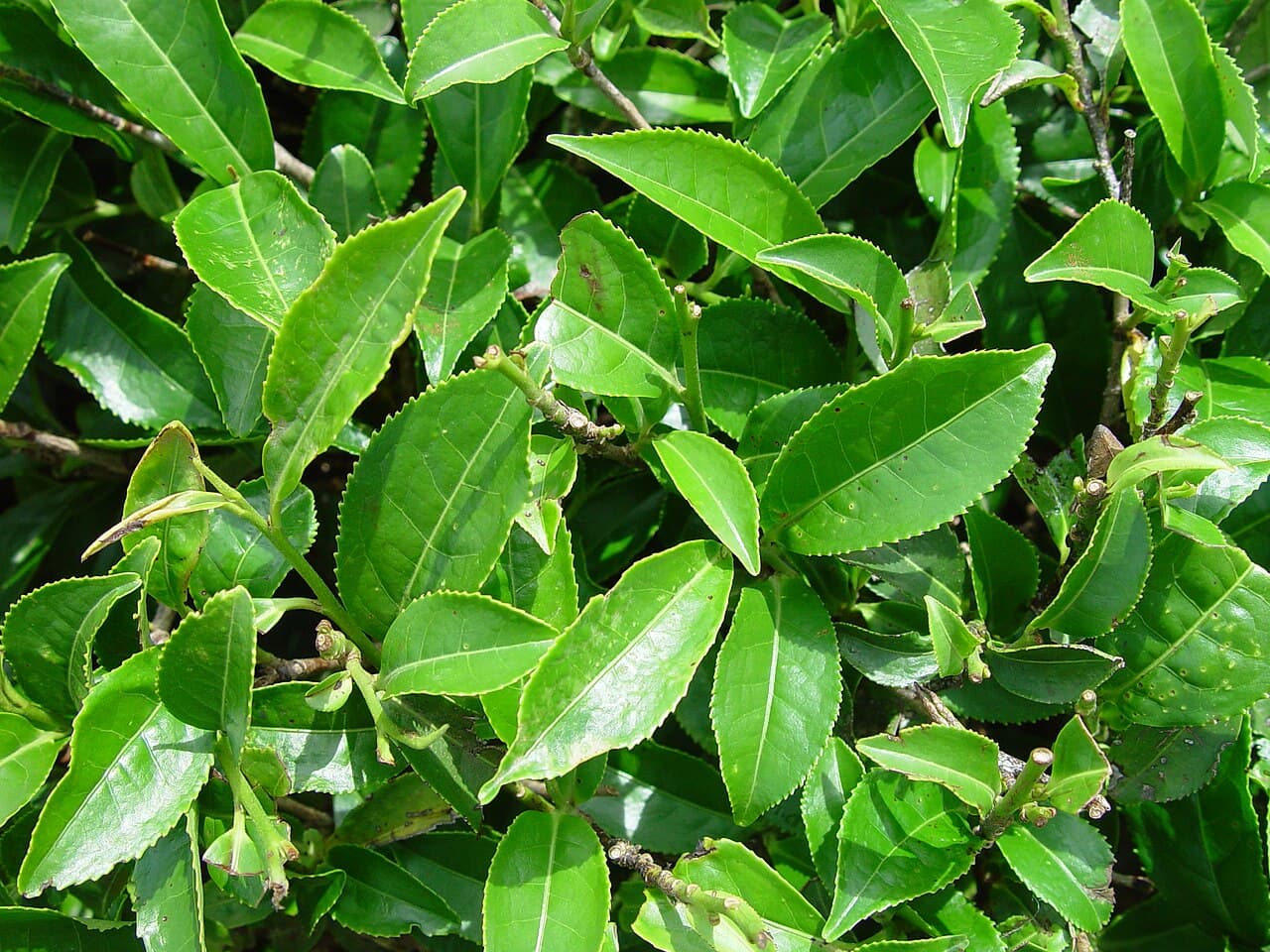
Jasmine tea is good for the same things green tea is good for, because that is what it is: green tea leaves layered with fresh jasmine blossoms overnight, repeated several times, until the leaf absorbs the scent. The best-supported benefits are lower LDL cholesterol, a small drop in blood pressure, and sharper attention from the caffeine and L-theanine in the leaf. The jasmine itself adds one thing the plain leaf lacks: an aroma that, in a small controlled study, lowered heart rate and raised calm-mood scores within minutes.
Is jasmine tea good for you? For most adults, clearly yes, at 2–4 cups a day. It is one of the lowest-caffeine ways to get green tea's catechins, it has no calories, and the trials showing cholesterol and blood pressure benefits used ordinary brewed tea, not extracts. The people who should be more careful are those low in iron (drink it between meals), anyone taking the beta-blocker nadolol, and pregnant women, who should keep to 2–3 cups.
Below, each claim is graded by the human evidence behind it, followed by how to brew jasmine tea so it tastes floral rather than bitter, how much is sensible, and the side effects and drug interactions worth knowing.
What jasmine tea is good for
- Cholesterol — green tea lowered total cholesterol by 7 mg/dL and LDL by 2 mg/dL across 14 trials in 1,136 adults
- Blood pressure — about 2 mmHg lower systolic in meta-analyses of green tea drinkers, more in people with high baseline pressure
- Attention and calm focus — 25–35 mg caffeine plus L-theanine improves alertness and reaction time without jitters
- Weight — Cochrane found green tea produced a small loss (often under 1 kg) that is not clinically important on its own
- Blood sugar — fasting glucose fell by about 1.6 mg/dL across 17 trials; too small to matter for most people
- Relaxation — jasmine aroma lowered heart rate and raised calm-mood scores in a small controlled study
Jasmine tea benefits, graded by the evidence
Strong = multiple human trials or a meta-analysis. Moderate = a few small trials. Preliminary = early, traditional or animal data.
Lowers LDL cholesterol
Strong evidenceA meta-analysis of 14 randomised controlled trials in 1,136 adults found green tea (as brewed tea or extract, typically 3–10 cups' worth of catechins daily for 3 weeks to 3 months) lowered total cholesterol by 7.2 mg/dL and LDL by 2.2 mg/dL, with no change in HDL. The 2013 Cochrane review on tea and cardiovascular prevention reached a similar conclusion for both green and black tea. The effect is small per cup but consistent, and jasmine green tea carries essentially the same catechin load as the unscented leaf it is made from.
Key evidenceZheng et al., American Journal of Clinical Nutrition 2011 (meta-analysis of 14 RCTs)
Sharpens attention and reaction time
Strong evidenceGreen tea combines a modest caffeine dose (20–35 mg per cup of jasmine tea) with 8–20 mg of L-theanine, an amino acid that smooths caffeine's edge. A 2014 systematic review and meta-analysis of acute trials found caffeine plus theanine improved alertness, attention-switching and reaction time within 1–2 hours, with less of the anxiety and heart-rate rise seen with caffeine alone. The doses in those trials were higher than a single cup, so expect a gentle lift rather than a jolt.
Key evidenceCamfield et al., Nutrition Reviews 2014 (meta-analysis of tea constituents on cognition and mood)
Lowers blood pressure slightly
Moderate evidenceA 2014 meta-analysis of randomised trials found green tea lowered systolic blood pressure by roughly 2 mmHg and diastolic by about 1 mmHg over 3–24 weeks, with larger effects in people whose pressure was high to begin with. The 2013 Cochrane review found a comparable reduction. In the Ohsaki cohort of 40,530 Japanese adults followed for 11 years, those drinking 5 or more cups a day had 26% lower cardiovascular mortality than those drinking under 1 cup, which is consistent with the trial data but cannot prove cause.
Key evidenceOnakpoya et al., Nutrition, Metabolism and Cardiovascular Diseases 2014; Kuriyama et al., JAMA 2006
Supports modest weight control
Moderate evidenceGreen tea's catechins and caffeine raise energy expenditure by a few percent in short metabolic studies. When the Cochrane Collaboration pooled 14 randomised trials in overweight adults, green tea preparations produced weight losses of 0.2 to 3.5 kg over 12 weeks in Japanese trials and no significant loss in trials elsewhere, which the reviewers judged not clinically important. Jasmine tea's honest role in weight control is as a zero-calorie, satisfying replacement for sweetened drinks, not as a fat burner.
Key evidenceJurgens et al., Cochrane Database of Systematic Reviews 2012 (green tea for weight loss)
Helps blood sugar control, slightly
Moderate evidenceA meta-analysis of 17 randomised trials in 1,133 adults found green tea lowered fasting glucose by 0.09 mmol/L (about 1.6 mg/dL) and HbA1c by about 0.3 percentage points, with no change in fasting insulin. The HbA1c figure is the more interesting one but came mostly from short trials and people already at risk. For a healthy person this is not a reason to drink jasmine tea; for someone with prediabetes swapping sugary drinks for it, the substitution matters far more than the catechins.
Key evidenceLiu et al., American Journal of Clinical Nutrition 2013 (meta-analysis of 17 RCTs)
Jasmine aroma calms the nervous system
Preliminary evidenceIn a small controlled study of healthy volunteers, inhaling the aroma of jasmine tea at a low concentration for 5 minutes lowered heart rate and raised scores for 'calm' and 'vigorous' mood compared with an odourless control, while a stronger concentration had the opposite effect. The researchers traced the effect largely to (R)-(-)-linalool, the main scent compound in jasmine. It is the kind of finding that explains why people reach for jasmine tea in the evening, but it has not been tested against anxiety or sleep outcomes in larger groups.
Key evidenceKuroda et al., European Journal of Applied Physiology 2005
Reduces plaque bacteria and bad breath
Preliminary evidenceGreen tea catechins, especially EGCG, inhibit Streptococcus mutans and the sulphur-producing bacteria behind bad breath in laboratory studies, and small trials of green tea rinses lasting 1–4 weeks have reported lower plaque and gum-bleeding scores than water. Unsweetened jasmine tea also has a low pH impact compared with juice or soda. The trials are small and short, so count this as a plausible bonus of drinking it unsweetened rather than a reason to skip the dentist.
Key evidenceSmall clinical trials of green tea mouth rinses and in-vitro catechin studies; no meta-analysis yet
Is jasmine tea good for you?
- Yes for most adults: 2–4 cups a day of jasmine green tea is a low-caffeine, zero-calorie habit with real if modest effects on LDL cholesterol and blood pressure.
- The 'jasmine' part is about pleasure and calm, not pharmacology. Scented tea and jasmine-flavoured tea are different products; the real thing lists only tea and jasmine blossoms.
- Low in iron, or vegetarian and borderline? Drink it between meals. Green tea polyphenols can cut non-heme iron absorption substantially when taken with food.
- Caffeine-sensitive people and pregnant women can usually still drink it: at 20–35 mg a cup, three cups stays well under 100 mg.
- Brewed tea is safe; concentrated green tea extracts are the products linked to rare liver injury at 800 mg or more of EGCG a day. You would need 15-plus cups to approach that.
How to brew jasmine tea
1 teaspoon (2 g) loose leaf, or 1 heaped teaspoon of jasmine pearls, or 1 bag per 8 oz
175°F / 80°C, let boiled water sit about 3 minutes, or pour it into a cold mug first
2–3 minutes for loose leaf; 3 minutes for pearls, which need time to unfurl
- Boiling water scalds green tea and buries the jasmine under bitterness; cooler water is the single biggest fix.
- Good jasmine tea re-steeps 2 or 3 times; add 30–60 seconds each round.
- Buy scented, not flavoured. The label should say green tea and jasmine blossoms, not 'natural flavours'; dried petals in the mix are decorative, not the source of the scent.
How much per day
Two to four cups a day is a good range: enough to get the catechin intake used in the cholesterol and blood pressure trials, while keeping caffeine around 60–140 mg. Space it away from iron-rich meals or iron tablets if you are anaemic.
About 20–35 mg per 8 oz cup, a quarter to a third of a cup of coffee. The jasmine adds none; it all comes from the green tea.
Side effects, interactions and who should limit it
Side effects
- Mild caffeine effects (restlessness, lighter sleep) if you drink it late or go beyond 4–5 cups
- Nausea or stomach ache when drunk on an empty stomach, from the tannins and catechins
- Reduced absorption of plant-based iron when drunk with meals
- Headache or irritability in people who are sensitive to caffeine, even at low doses
- Tooth staining with heavy long-term use, less than with black tea or coffee
Interactions
- Nadolol (a beta-blocker): green tea cut blood levels of nadolol by about 85% in a crossover study of healthy adults; avoid regular green or jasmine tea if you take it
- Warfarin: green tea contains a little vitamin K and catechins that may affect clotting; keep your intake consistent rather than starting or stopping suddenly
- Iron supplements and iron-rich meals: separate by at least 1–2 hours
- Stimulant medications and decongestants (pseudoephedrine): additive caffeine effects
- Lithium: caffeine increases lithium clearance, so sudden changes in tea intake can shift levels
Pregnancy and breastfeeding
Jasmine green tea is fine in pregnancy at 2–3 cups a day, well under the 200 mg caffeine limit most obstetric guidance recommends. Green tea catechins can reduce folate absorption, so keep taking your folic acid supplement and take it at a different time from tea. While breastfeeding, 2–3 cups is also reasonable.
Frequently asked questions
Is jasmine tea the same as green tea?
Almost. Traditional jasmine tea is green tea (occasionally white or oolong) that has been scented with fresh jasmine blossoms, which are layered with the leaf overnight and then removed. So nutritionally it is green tea with an aroma. Jasmine 'herbal' tea made only from flowers is a different, caffeine-free product with little research behind it.
Does jasmine tea have caffeine?
Yes, about 20–35 mg per 8 oz cup, roughly a third of a cup of coffee. It is one of the lower-caffeine true teas, which is why it suits afternoons and evenings for most people. The jasmine scenting itself adds no caffeine.
Is jasmine tea good for weight loss?
A little, mostly by replacing higher-calorie drinks. Green tea itself produced small, clinically unimportant weight losses in the Cochrane review, averaging well under 1 kg outside Japanese trials. Drink it unsweetened and treat it as a pleasant zero-calorie habit rather than a slimming aid.
Is jasmine tea good for anxiety or sleep?
The aroma has a small amount of evidence for lowering heart rate and promoting a calm mood, and L-theanine in the leaf has modest evidence for reducing stress responses. But it still contains caffeine, so a late-evening cup can keep sensitive people awake. For sleep itself, a caffeine-free option such as chamomile or rooibos is the better choice.
Can I drink jasmine tea every day?
Yes. The cholesterol, blood pressure and cognition trials all used daily intake, and 2–4 cups a day is well within safe caffeine limits. Daily drinkers who are low in iron should keep tea between meals, and anyone on nadolol should avoid it.
Why does my jasmine tea taste bitter?
Water that is too hot or steeping too long. Green tea leaf releases bitter catechins and caffeine fast above about 180°F; brew at 175°F / 80°C for 2–3 minutes and the floral notes come forward. Low-grade jasmine tea made with artificial flavour instead of real blossoms also tastes harsh and perfumed.
References
- Zheng XX, Xu YL, Li SH, et al.. Green tea intake lowers fasting serum total and LDL cholesterol in adults: a meta-analysis of 14 randomized controlled trials. American Journal of Clinical Nutrition (2011)
- Onakpoya I, Spencer E, Heneghan C, Thompson M. The effect of green tea on blood pressure and lipid profile: a systematic review and meta-analysis of randomized clinical trials. Nutrition, Metabolism and Cardiovascular Diseases (2014)
- Jurgens TM, Whelan AM, Killian L, et al.. Green tea for weight loss and weight maintenance in overweight or obese adults. Cochrane Database of Systematic Reviews (2012)
- Liu K, Zhou R, Wang B, et al.. Effect of green tea on glucose control and insulin sensitivity: a meta-analysis of 17 randomized controlled trials. American Journal of Clinical Nutrition (2013)
- Camfield DA, Stough C, Farrimond J, Scholey AB. Acute effects of tea constituents L-theanine, caffeine, and epigallocatechin gallate on cognitive function and mood: a systematic review and meta-analysis. Nutrition Reviews (2014)
- Kuroda K, Inoue N, Ito Y, et al.. Sedative effects of the jasmine tea odor and (R)-(-)-linalool, one of its major odor components, on autonomic nerve activity and mood states. European Journal of Applied Physiology (2005)
- Kuriyama S, Shimazu T, Ohmori K, et al.. Green tea consumption and mortality due to cardiovascular disease, cancer, and all causes in Japan: the Ohsaki study. JAMA (2006)
- Misaka S, Yatabe J, Müller F, et al.. Green tea ingestion greatly reduces plasma concentrations of nadolol in healthy subjects. Clinical Pharmacology and Therapeutics (2014)
- Hu J, Webster D, Cao J, Shao A. The safety of green tea and green tea extract consumption in adults: results of a systematic review. Regulatory Toxicology and Pharmacology (2018)
- Hurrell RF, Reddy M, Cook JD. Inhibition of non-haem iron absorption in man by polyphenolic-containing beverages. British Journal of Nutrition (1999)
- National Center for Complementary and Integrative Health. Green Tea (2020)View source
Guides that rank jasmine tea
Go deeper
Other teas
Is jasmine tea right for you?
Ask AskMN. It knows these studies, checks interactions with the medications you tell it about, and it is free and unlimited, no account needed.
Ask about jasmine teaThis page is educational and is not medical advice. Herbal teas can interact with prescription medicines. Talk with a clinician or pharmacist before relying on any of them, especially if you are pregnant, breastfeeding, have a chronic condition, or take medication.