
Is matcha good for you? What matcha is good for, and how it compares with green tea
Camellia sinensis, shade-grown leaves (tencha) steamed, de-stemmed and stone-ground to powder
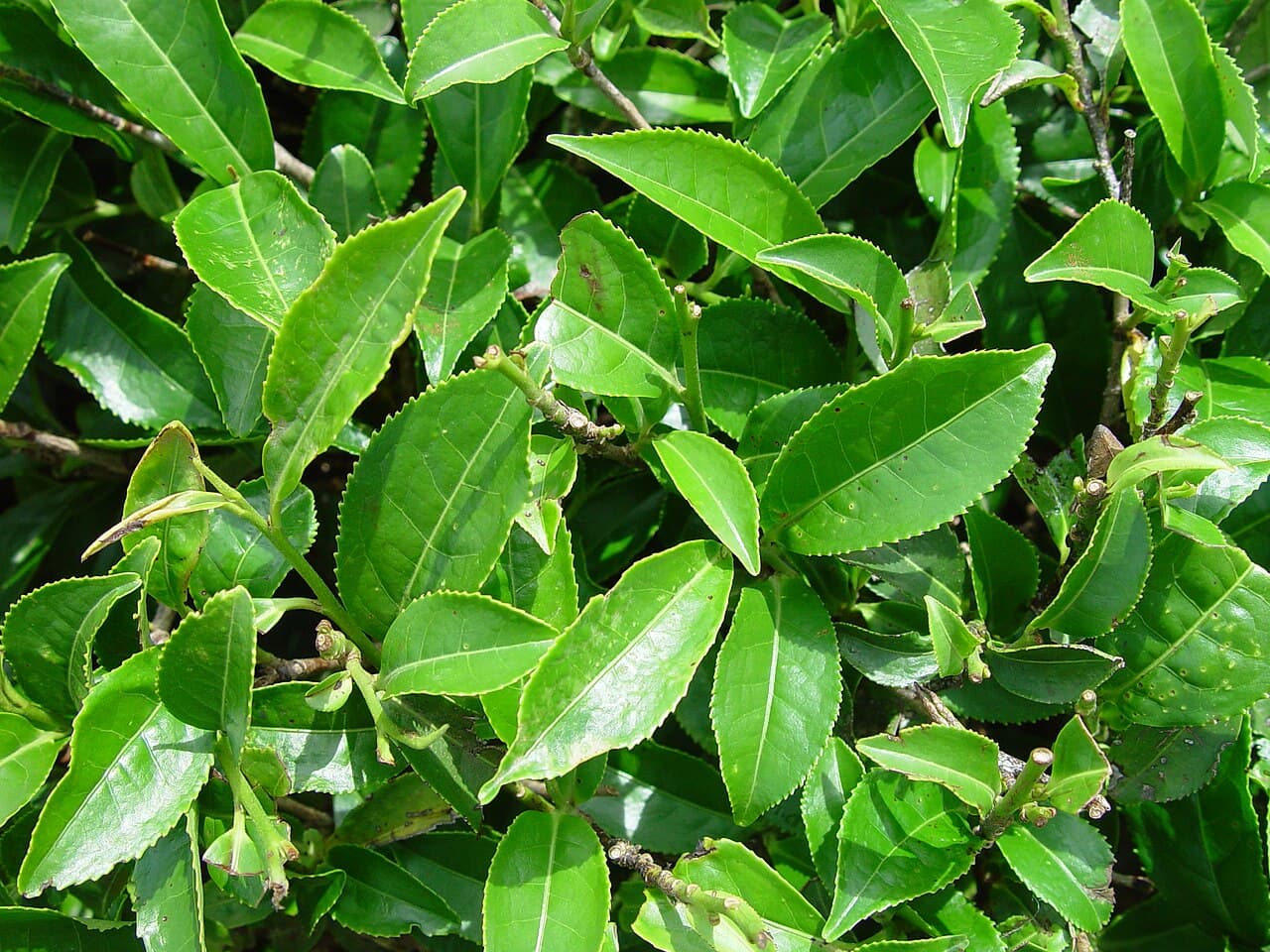
Matcha is good for steady focus and calm energy, for the same cholesterol and blood-pressure benefits as green tea at a higher catechin dose, and for a small boost to fat burning during exercise. Because you whisk the whole powdered leaf into water rather than steeping and discarding it, one serving delivers several times the EGCG, caffeine and L-theanine of a cup of steeped green tea.
Matcha is made from tencha: tea bushes shaded for three to four weeks before harvest, which raises L-theanine and chlorophyll and lowers bitter catechins, then steamed, stripped of stems and veins, and stone-ground. Ceremonial grades come from the youngest spring leaves and taste sweet and savoury; culinary grades are harsher and suit lattes and baking. Two grams of good matcha contain roughly 60–80 mg caffeine, 20–40 mg L-theanine and 100–200 mg EGCG.
Is matcha good for you? Yes, within the one-to-two-servings-a-day range that trials used. The evidence specific to matcha is still small, mostly short trials on attention, stress and fat oxidation, but the catechin and theanine science from green tea applies directly. The flip side of drinking the whole leaf is that you also ingest whatever the leaf absorbed, which is why origin and grade matter more for matcha than for any other tea.
What matcha is good for
- Focus and reaction time — 4 g matcha improved attention and psychomotor speed within 2 hours in a placebo-controlled trial of 23 adults
- Calm energy — 60–80 mg caffeine with 20–40 mg L-theanine per serving gives alertness with less jitter and a smaller blood-pressure rise than coffee
- Fat burning — 4 g matcha before a 30-minute brisk walk raised fat oxidation by about 35% in women
- Cholesterol and blood pressure — the catechin dose in one serving matches the 2–4 cups of green tea that lowered LDL ~4.6 mg/dL in trials
- Stress — 3 g a day for 15 days lowered a salivary stress marker in students sitting exams
- Memory in older adults — 2 g a day for 12 weeks improved some cognitive scores in women aged 60–85 in one small trial
Matcha benefits, graded by the evidence
Strong = multiple human trials or a meta-analysis. Moderate = a few small trials. Preliminary = early, traditional or animal data.
Sharper attention and faster reaction times
Moderate evidenceIn a double-blind crossover trial, 23 adults who consumed 4 g of matcha as tea or in a bar performed better on attention and psychomotor speed tasks than after placebo, with the tea form acting within 60–120 minutes. The effect tracks the caffeine and L-theanine combination studied in green tea trials, where 40–100 mg of each improved task switching and reduced distraction.
Key evidenceDietz et al., Food Research International 2017, 23 adults, crossover.
Alert without the jitters
Strong evidenceMatcha delivers L-theanine at 20–40 mg per serving, more than steeped green tea because shading raises it. In placebo-controlled trials, L-theanine combined with caffeine improved accuracy on attention tasks while blunting the rise in blood pressure and the self-rated tension that caffeine alone produced. The evidence for the compounds is strong; the matcha-specific trials are smaller.
Key evidenceHaskell et al., Biological Psychology 2008; Owen et al., Nutritional Neuroscience 2008.
Lowers LDL cholesterol and blood pressure (as green tea does)
Moderate evidenceNo trial has tested matcha itself for cholesterol, but the catechin doses that lowered LDL by about 4.6 mg/dL across 31 green tea RCTs and systolic blood pressure by about 2 mmHg across 13 trials were 300–900 mg a day, which one to two servings of matcha supply. Whole-leaf powder also delivers the catechins that a short steep leaves behind in the leaf.
Key evidenceXu et al., Nutrition Journal 2020; Onakpoya et al., NMCD 2014 (green tea catechin RCTs).
Increases fat oxidation during exercise
Preliminary evidenceThirteen women who took 4 g of matcha (three servings over 24 hours, the last 2 hours before walking) oxidised about 35% more fat during a 30-minute brisk walk than without it, with no change in perceived effort. It is one small trial, consistent with the 10–16% rise in fat oxidation seen with green tea extract in men, and the total calorie effect is modest.
Key evidenceWillems et al., International Journal of Sport Nutrition and Exercise Metabolism 2018.
Reduces stress markers
Preliminary evidencePharmacy students who drank 3 g of matcha a day for 15 days around their practical exams had lower salivary alpha-amylase, a stress marker, than those drinking a low-theanine placebo matcha. The study was small (36 students) and the key variable was theanine content, which is why high-grade, well-shaded matcha matters for this effect.
Key evidenceUnno et al., Nutrients 2018, 36 students, 15 days.
May support cognition in older adults
Preliminary evidenceIn a 12-week randomised trial, older adults (60–85) who took 2 g of matcha a day showed improvements in some attention and executive-function scores compared with placebo, with the effect confined to women in the analysis. Larger and longer trials are needed before matcha can be recommended for memory, but the direction fits green tea cohort data.
Key evidenceSakurai et al., Nutrients 2020, 12-week RCT.
High antioxidant and catechin density
Preliminary evidenceAnalyses of matcha find EGCG and total catechin levels several times those of a cup of steeped green tea, plus chlorophyll, rutin, quercetin and vitamin C, because the whole leaf is consumed. High antioxidant content in a lab assay does not by itself prove a health outcome; the point is that matcha reaches the catechin doses used in the cholesterol and blood-pressure trials with one serving rather than three cups.
Key evidenceKochman et al., Molecules 2021, review of matcha composition.
Is matcha good for you?
- Yes, one to two servings (2–4 g) a day is a good way to get green tea's catechins, calm focus and a mild metabolic nudge in a single cup.
- Matcha is not a different plant or a supplement; it is concentrated green tea, so the same cautions apply at a higher dose: caffeine, reflux, reduced iron absorption and drug interactions.
- Buy Japanese, ideally with a stated origin and harvest; you drink the whole leaf, so heavy metals and pesticides matter more than in steeped tea, and some low-grade imports have tested high for lead.
- Limit to one serving a day in pregnancy and skip the afternoon serving if you sleep badly; children and people with anxiety disorders should treat it like coffee.
How to brew matcha
1–2 g (½ to 1 level teaspoon, sifted) per 2–3 oz (60–90 ml) for usucha; double the powder and halve the water for thick koicha
160–175°F / 70–80°C; boiling water makes it bitter and clumpy
Whisk 15–30 seconds in a zigzag motion until frothy; no steeping
- Sift the powder through a fine strainer first to prevent clumps; a bamboo whisk (chasen) froths better than a spoon.
- For a latte, whisk the matcha with 2 oz of warm water first, then add 6 oz of warm milk; adding powder straight to milk leaves lumps.
- Store sealed, cold and dark; matcha oxidises within weeks once opened, losing colour, flavour and catechins.
How much per day
One to two servings a day (2–4 g, about 60–160 mg caffeine) covers the doses used in trials and stays well within safe caffeine limits. Because the leaf is consumed whole, there is no reason to exceed two servings, and three or more a day pushes both caffeine and lead exposure from lower-grade powders.
About 60–80 mg per 2 g serving (1 level teaspoon), close to a small cup of coffee, with 20–40 mg L-theanine.
Side effects, interactions and who should limit it
Side effects
- Jitteriness, palpitations or insomnia: one serving carries as much caffeine as a small coffee
- Nausea on an empty stomach, more noticeable than steeped tea because of the concentrated catechins and caffeine
- Heartburn in people with reflux
- Reduced iron absorption when drunk with meals
- Constipation or stomach cramps in some people drinking 3+ servings a day
- Cumulative lead exposure with heavy daily use of low-grade matcha; choose tested Japanese powder
Interactions
- Nadolol and related beta-blockers: green tea catechins cut nadolol absorption by 76% in a human study; matcha delivers more catechins per cup
- Iron supplements: take 1–2 hours apart
- Warfarin: whole-leaf matcha contains vitamin K (roughly 20–30 mcg per serving); keep intake consistent rather than starting or stopping suddenly
- Stimulant medications, decongestants and MAO inhibitors: additive caffeine effects on heart rate and blood pressure
- Bortezomib: EGCG neutralised this chemotherapy drug in lab studies; avoid during treatment
- Folate and methotrexate: catechins reduce folate uptake
Pregnancy and breastfeeding
One serving a day is reasonable in pregnancy if it fits within a 200 mg daily caffeine limit, but because catechins reduce folate absorption it is wise to skip matcha around conception and in the first trimester, or take it well away from your folic acid. While breastfeeding, one to two servings a day is generally fine; watch for a wakeful baby.
Frequently asked questions
Matcha vs green tea: which is healthier?
Per cup, matcha wins on every active compound because you consume the ground leaf: roughly three times the caffeine, two to three times the L-theanine and several times the EGCG of steeped green tea. The trade-off is more caffeine and higher exposure to anything in the leaf, so quality matters more. Steeped green tea is the gentler choice for 4–5 cups a day; matcha suits one or two deliberate servings.
How much caffeine is in matcha?
About 30–40 mg per gram, so a standard 2 g serving has 60–80 mg, similar to a small cup of coffee and two to three times a cup of steeped green tea. The L-theanine in matcha makes the stimulation feel smoother, but the caffeine count is real, so plan it like coffee.
Is it OK to drink matcha every day?
Yes, at one to two servings a day. Trials used 2–4 g daily for up to 12 weeks without safety problems. Daily drinkers should choose a tested Japanese matcha, drink it away from iron-rich meals if their iron is low, and keep it earlier in the day if caffeine disturbs their sleep.
Does matcha help you lose weight?
A little. Matcha raised fat oxidation during exercise by about 35% in one small trial, and green tea catechin-caffeine mixtures produce around 1.3 kg more weight loss than placebo over 12 weeks. Sweetened matcha lattes cancel that out: a café latte can carry 200–300 calories, so make it with unsweetened milk or drink it straight.
What is the best time to drink matcha?
Mid-morning or early afternoon, ideally with or after food rather than on an empty stomach, and at least six to eight hours before bed. Before a workout is another good slot given the fat-oxidation data. Avoid taking it with iron supplements or an iron-rich meal.
Does matcha contain lead or heavy metals?
Tea plants take up lead from soil and air, and because matcha is the whole leaf you ingest it rather than leaving most of it in the discarded leaf. Independent testing has found higher lead in some Chinese-grown matcha than in Japanese ceremonial grades. Buying Japanese matcha with a stated farm or region and keeping to one or two servings a day keeps exposure low.
References
- Dietz C, Dekker M, Piqueras-Fiszman B. An intervention study on the effect of matcha tea, in drink and snack bar formats, on mood and cognitive performance. Food Research International (2017)
- Willems MET, Şahin MA, Cook MD. Matcha green tea drinks enhance fat oxidation during brisk walking in females. International Journal of Sport Nutrition and Exercise Metabolism (2018)
- Unno K, Noda S, Kawasaki Y, et al.. Reduced stress and improved sleep quality caused by green tea are associated with a reduced caffeine content. Nutrients (2017)
- Unno K, Tanida N, Ishii N, et al.. Anti-stress effect of theanine on students during pharmacy practice: positive correlation among salivary alpha-amylase activity, trait anxiety and subjective stress. Pharmacology, Biochemistry and Behavior (2013)
- Sakurai K, Shen C, Ezaki Y, et al.. Effects of matcha green tea powder on cognitive functions of community-dwelling elderly individuals. Nutrients (2020)
- Kochman J, Jakubczyk K, Antoniewicz J, Mruk H, Janda K. Health benefits and chemical composition of matcha green tea: a review. Molecules (2021)
- Haskell CF, Kennedy DO, Milne AL, Wesnes KA, Scholey AB. The effects of L-theanine, caffeine and their combination on cognition and mood. Biological Psychology (2008)
- Xu R, Yang K, Li S, Dai M, Chen G. Effects of green tea consumption on cholesterol: a systematic review and meta-analysis of randomized controlled trials. Nutrition Journal (2020)
- Misaka S, Yatabe J, Müller F, et al.. Green tea ingestion greatly reduces plasma concentrations of nadolol in healthy subjects. Clinical Pharmacology & Therapeutics (2014)
- National Center for Complementary and Integrative Health. Green Tea: Usefulness and Safety. NCCIH Herbs at a Glance (2020)View source
Guides that rank matcha
Go deeper
Other teas
Is matcha right for you?
Ask AskMN. It knows these studies, checks interactions with the medications you tell it about, and it is free and unlimited, no account needed.
Ask about matchaThis page is educational and is not medical advice. Herbal teas can interact with prescription medicines. Talk with a clinician or pharmacist before relying on any of them, especially if you are pregnant, breastfeeding, have a chronic condition, or take medication.