
Is white tea good for you? What white tea is good for, honestly graded
Camellia sinensis buds and young leaves, withered and dried with minimal processing
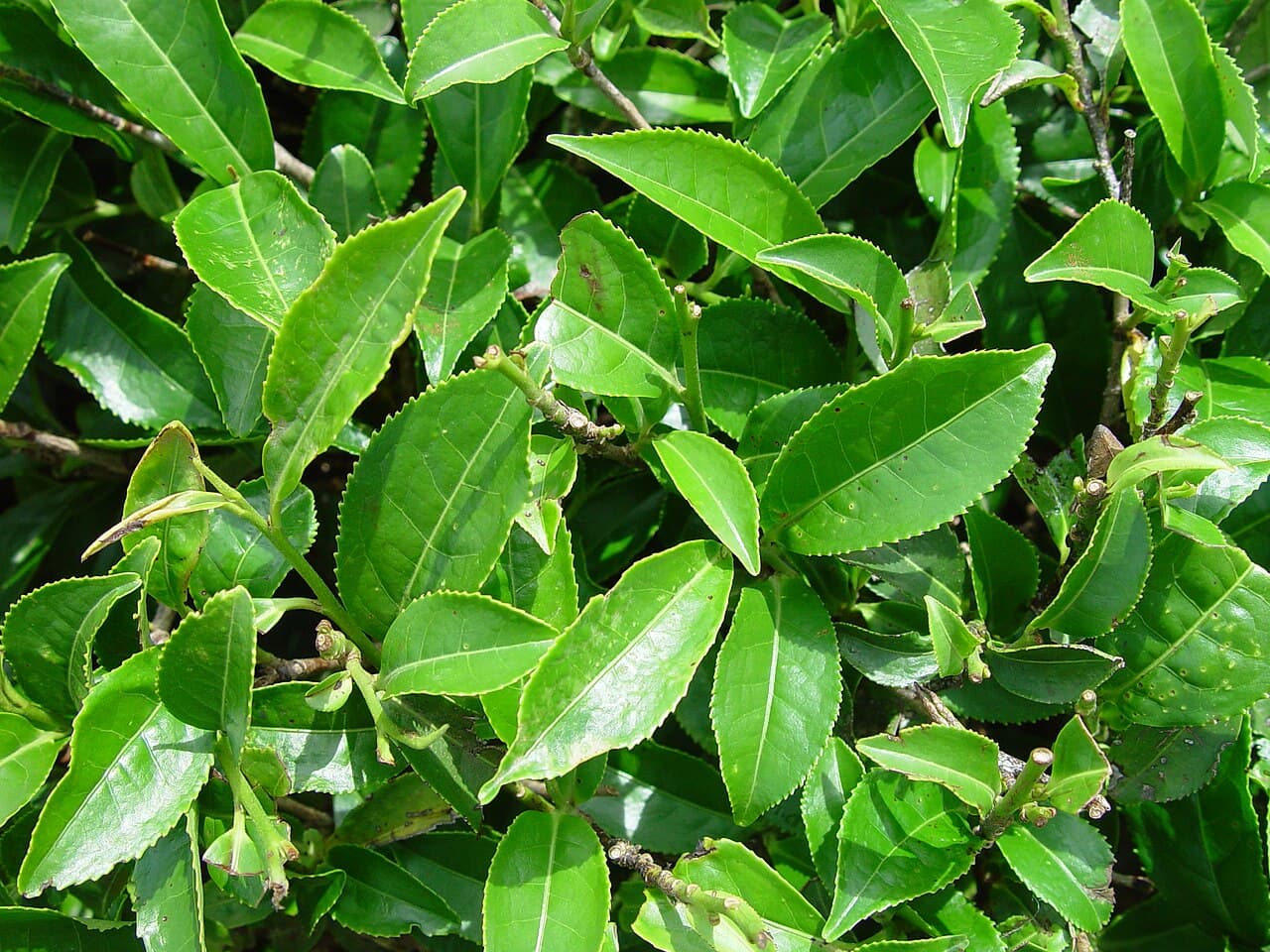
White tea is good for the same things as green tea, delivered gently: catechins for LDL cholesterol and blood pressure, a low dose of caffeine with L-theanine for calm focus, and polyphenols that in laboratory work protect skin collagen and inhibit fat-cell growth and mouth bacteria. Its catechin content is similar to green tea's, and in some analyses higher, because the buds are simply withered and dried rather than heated and rolled.
White tea is the least processed true tea. The best grades, Silver Needle (Bai Hao Yin Zhen) and White Peony (Bai Mu Dan), come from the downy buds and first leaves of spring, picked, air-withered for a day or two and dried. There is no steaming, rolling or deliberate oxidation, so the leaf keeps its EGCG, caffeine and theanine largely intact and brews pale, sweet and soft.
Is white tea good for you? Yes, as a low-caffeine daily tea, but be clear-eyed about the evidence: almost no human trials have tested white tea itself. Its heart and metabolic benefits are inferred from green tea trials of the same catechins at similar doses, and the skin, fat-cell and dental findings are from test tubes and animals. This page separates what is proven for the compounds from what is still a hypothesis for the cup.
What white tea is good for
- Heart health — catechins at the doses in 2–4 cups lowered LDL ~4.6 mg/dL and systolic BP ~2 mmHg in green tea trials; white tea supplies similar amounts
- Calm focus — 15–40 mg caffeine with L-theanine per cup, the lowest-caffeine true tea
- Skin — white tea extract blocked the enzymes that break down collagen and elastin by over 85% in lab tests, the strongest of 21 plant extracts
- Fat cells — white tea extract reduced new fat-cell formation and increased fat breakdown in human cells in vitro
- Teeth and gums — fluoride and catechins inhibit cavity bacteria in laboratory studies
- Blood sugar — lowered glucose in diabetic rats; no human trial yet
White tea benefits, graded by the evidence
Strong = multiple human trials or a meta-analysis. Moderate = a few small trials. Preliminary = early, traditional or animal data.
Supplies catechins that lower LDL and blood pressure
Moderate evidenceNo randomised trial has tested white tea for cholesterol, but chemical analyses show its EGCG and total catechin content is comparable to green tea and higher than black. The catechin doses in 2–4 cups of green tea lowered LDL by about 4.6 mg/dL across 31 trials and systolic blood pressure by about 2 mmHg across 13, so the same compounds at a similar dose should act similarly. Treat this as inferred, not demonstrated.
Key evidenceHilal & Engelhardt, European Food Research and Technology 2007 (composition); Xu et al., Nutrition Journal 2020 (green tea catechin RCTs).
Calm, low-dose alertness
Moderate evidenceA cup of white tea carries roughly 15–40 mg of caffeine with 5–10 mg of L-theanine. The caffeine-theanine pairing improved attention and reduced distraction within an hour in placebo-controlled trials at 40–100 mg of each, and theanine blunted caffeine's effect on blood pressure. White tea's gentler dose makes it a reasonable afternoon tea for people who find green or black tea too stimulating.
Key evidenceHaskell et al., Biological Psychology 2008; Owen et al., Nutritional Neuroscience 2008.
Protects skin collagen and elastin
Preliminary evidenceIn a laboratory comparison of 21 plant extracts, white tea extract inhibited elastase and collagenase, the enzymes that degrade skin elasticity and firmness, by 89% and 87%, the highest of any extract tested, with strong antioxidant activity. A small human study found topical white tea extract preserved skin immune cells after UV exposure. Nothing yet shows that drinking white tea changes skin.
Key evidenceThring et al., BMC Complementary and Alternative Medicine 2009; Camouse et al., Experimental Dermatology 2009.
Limits fat-cell growth in the lab
Preliminary evidenceWhite tea extract applied to human pre-adipocytes in culture reduced their maturation into fat cells, lowered fat accumulation and stimulated the breakdown of stored fat, effects attributed to EGCG and methylxanthines. This is a cell-culture finding; the only human weight data are from green tea catechin trials, which show about 1.3 kg more loss than placebo over 12 weeks.
Key evidenceSöhle et al., Nutrition & Metabolism 2009, human adipocyte study.
Helps protect teeth
Preliminary evidenceWhite tea contains natural fluoride plus catechins that inhibit Streptococcus mutans and the plaque-forming enzymes it uses, and in laboratory studies white tea extracts matched or exceeded green tea against oral bacteria. It stains teeth less than any other true tea because it has almost no theaflavins. Human trials of white tea for cavities do not yet exist.
Key evidenceLaboratory antibacterial studies, e.g. Hajiaghaalipour et al., Food Chemistry 2015.
May help blood sugar
Preliminary evidenceIn rats with chemically induced diabetes, 4 weeks of white tea lowered blood glucose by about 48% and improved glucose tolerance and cholesterol compared with untreated animals. Green tea catechins lowered fasting glucose by about 1.6 mg/dL and HbA1c by 0.3 points in human trials, which is the realistic scale of effect to expect in people rather than the animal figures.
Key evidenceIslam, Phytotherapy Research 2011 (rat study); Liu et al., AJCN 2013 (green tea RCTs).
Antioxidant and anti-inflammatory activity
Preliminary evidenceWhite tea shows antioxidant capacity comparable to or above green tea in laboratory assays, and in cell studies its polyphenols reduce inflammatory signalling and DNA damage from oxidative stress. These lab results explain why it is interesting, but antioxidant scores in a test tube do not translate directly into health outcomes; the cardiovascular trials of catechins are the real evidence.
Key evidenceUnachukwu et al., Journal of Food Science 2010; Hajiaghaalipour et al., Food Chemistry 2015.
Is white tea good for you?
- Yes as a daily drink: 2–4 cups gives you green tea's catechins at a gentler caffeine dose, with the lowest tannin and staining of any true tea.
- Do not pay a premium expecting proven benefits beyond green tea; the human evidence is borrowed from green tea trials, and the skin and fat-cell claims are laboratory findings so far.
- The usual tea cautions apply at a lower intensity: drink it away from meals if you are iron-deficient, and go easy if you have reflux or sleep poorly.
- Pregnancy: 2–3 cups a day sits comfortably under the 200 mg caffeine limit, but keep taking folate since catechins can reduce its absorption.
How to brew white tea
2 teaspoons (2–3 g) loose leaf per 8 oz (240 ml); the buds are bulky, so it looks like a lot
170–185°F / 75–85°C; boiling water flattens the sweetness and extracts more bitterness
4 to 5 minutes for the first steep; re-steep 2–3 times, adding a minute each time
- White tea is forgiving: a long steep goes soft rather than harsh, so err on the long side if the cup tastes thin.
- Use more leaf, not hotter water, for a stronger cup.
- Cold brew works well: 1 tablespoon per 16 oz cold water in the fridge for 6–8 hours gives a sweet, very low-bitterness tea.
How much per day
Two to four cups a day delivers roughly the catechin dose used in the green tea trials with only 40–120 mg of caffeine in total. There is no benefit to drinking more than that, and because white tea is expensive, re-steeping the same leaves is the efficient way to get there.
About 15–40 mg per 8 oz cup; bud-only Silver Needle can run higher than you expect because buds are caffeine-rich, but cool brewing extracts less.
Side effects, interactions and who should limit it
Side effects
- Mild restlessness or lighter sleep in caffeine-sensitive people, especially from bud-heavy Silver Needle
- Reduced iron absorption from meals drunk with tea, though less than black tea
- Heartburn in people with reflux, from caffeine
- Nausea if drunk strong on an empty stomach
Interactions
- Iron supplements and iron-rich meals: separate by 1–2 hours
- Nadolol and related beta-blockers: tea catechins cut nadolol absorption by 76% in a human study of green tea; white tea has similar catechins
- Stimulants and MAO inhibitors: additive caffeine effects, though small at white tea doses
- Bortezomib: EGCG blocked this chemotherapy drug in lab studies; avoid catechin-rich teas during treatment
- Folate and methotrexate: catechins reduce folate uptake
Pregnancy and breastfeeding
White tea is one of the better tea choices in pregnancy because 2–3 cups add only 50–100 mg of caffeine, well under the 200 mg limit, but its catechins can reduce folate absorption, so keep taking folic acid and drink the tea away from your supplement. During breastfeeding, 2–4 cups a day is fine.
Frequently asked questions
White tea vs green tea: which is healthier?
They are nutritionally close. White tea has equal or slightly higher catechins in many analyses, less caffeine and fewer tannins; green tea has far more human trial data behind it. If you drink several cups a day and find green tea harsh or stimulating, white tea is the better daily choice; if you want the best-evidenced option, green tea has the trials.
Does white tea have caffeine?
Yes, typically 15–40 mg per 8 oz cup, the lowest of the true teas but not zero. Bud-only Silver Needle actually contains a lot of caffeine per gram because buds are the plant's richest tissue, but the cool water and short steeps used for white tea extract less of it. Decaf white tea and herbal teas are the caffeine-free options.
Is white tea good for weight loss?
The claim rests on a cell-culture study in which white tea extract reduced fat-cell formation and increased fat breakdown. In people, the only comparable data are green tea catechin trials showing about 1.3 kg more loss than placebo over 12 weeks. White tea is a sensible zero-calorie swap for sweet drinks, not a fat burner.
Is white tea good for skin?
In the lab, white tea extract was the strongest of 21 plant extracts at blocking collagen- and elastin-degrading enzymes, and topical extract protected skin immune cells from UV in a small human study. No trial has tested drinking white tea for skin; green tea has one trial showing less UV redness and better elasticity after 12 weeks at a high dose, which is the closest evidence.
Why is white tea so expensive?
Because it is hand-picked over a few days in early spring, takes only buds and the first leaf or two, and yields a small, light crop that is mostly air and down. Prices are also inflated by the health halo. White Peony (Bai Mu Dan) costs much less than Silver Needle and has slightly more catechins because it includes leaf.
Can I drink white tea every day?
Yes. Two to four cups a day is well within safe caffeine limits, and the catechin intake matches the range used in long-running green tea trials without safety problems. The only daily adjustment most people need is drinking it between meals if their iron is low.
References
- Hilal Y, Engelhardt U. Characterisation of white tea: comparison to green and black tea. Journal für Verbraucherschutz und Lebensmittelsicherheit (2007)
- Thring TS, Hili P, Naughton DP. Anti-collagenase, anti-elastase and anti-oxidant activities of extracts from 21 plants. BMC Complementary and Alternative Medicine (2009)
- Söhle J, Knott A, Holtzmann U, et al.. White tea extract induces lipolytic activity and inhibits adipogenesis in human subcutaneous (pre)-adipocytes. Nutrition & Metabolism (2009)
- Camouse MM, Domingo DS, Swain FR, et al.. Topical application of green and white tea extracts provides protection from solar-simulated ultraviolet light in human skin. Experimental Dermatology (2009)
- Islam MS. Effects of the aqueous extract of white tea (Camellia sinensis) in a streptozotocin-induced diabetes model of rats. Phytomedicine (2011)
- Unachukwu UJ, Ahmed S, Kavalier A, Lyles JT, Kennelly EJ. Gas chromatography-mass spectrometry analysis and phytochemical, antioxidant and antibacterial activities of white and green teas. Journal of Food Science (2010)
- Hajiaghaalipour F, Kanthimathi MS, Sanusi J, Rajarajeswaran J. White tea (Camellia sinensis) inhibits proliferation of the colon cancer cell line, HT-29, activates caspases and protects DNA of normal cells against oxidative damage. Food Chemistry (2015)
- Xu R, Yang K, Li S, Dai M, Chen G. Effects of green tea consumption on cholesterol: a systematic review and meta-analysis of randomized controlled trials. Nutrition Journal (2020)
- Haskell CF, Kennedy DO, Milne AL, Wesnes KA, Scholey AB. The effects of L-theanine, caffeine and their combination on cognition and mood. Biological Psychology (2008)
- National Center for Complementary and Integrative Health. Green Tea: Usefulness and Safety. NCCIH Herbs at a Glance (2020)View source
Guides that rank white tea
Go deeper
Other teas
Is white tea right for you?
Ask AskMN. It knows these studies, checks interactions with the medications you tell it about, and it is free and unlimited, no account needed.
Ask about white teaThis page is educational and is not medical advice. Herbal teas can interact with prescription medicines. Talk with a clinician or pharmacist before relying on any of them, especially if you are pregnant, breastfeeding, have a chronic condition, or take medication.