Vitamin D in Winter: D3 vs D2, How Much to Take, and When
In winter, skin makes little vitamin D across much of the north. What the research says about D3 vs D2, how much to take, timing and safe upper limits.
Evidence-led articles on what health AI can actually do, which wellness claims hold up, and how labs, wearables, supplements, nutrition, and environmental exposures fit together.
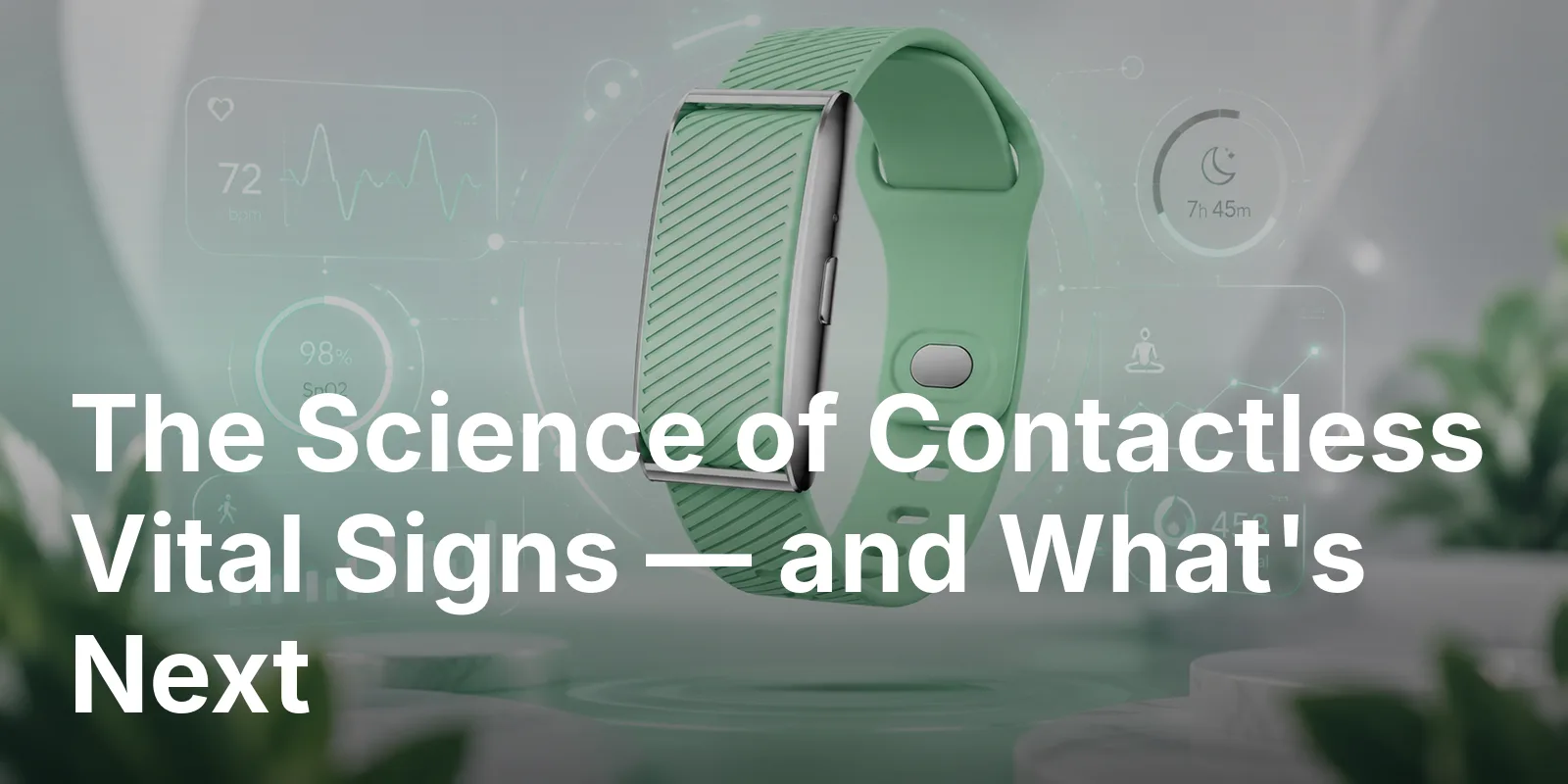
What remote photoplethysmography can measure today, and where camera-based vital-signs research is heading.
How Mother Nature AI connects labs, wearables, supplements, symptoms, and health goals.
Evidence tiers, dosing context, side effects, and drug-supplement interaction cautions.

In winter, skin makes little vitamin D across much of the north. What the research says about D3 vs D2, how much to take, timing and safe upper limits.

NMN and NAD+ supplements are the hottest longevity trend of 2026. Here is what the latest human clinical trials actually show — and how AI-powered health tools are helping people build smarter, more personalized anti-aging protocols.

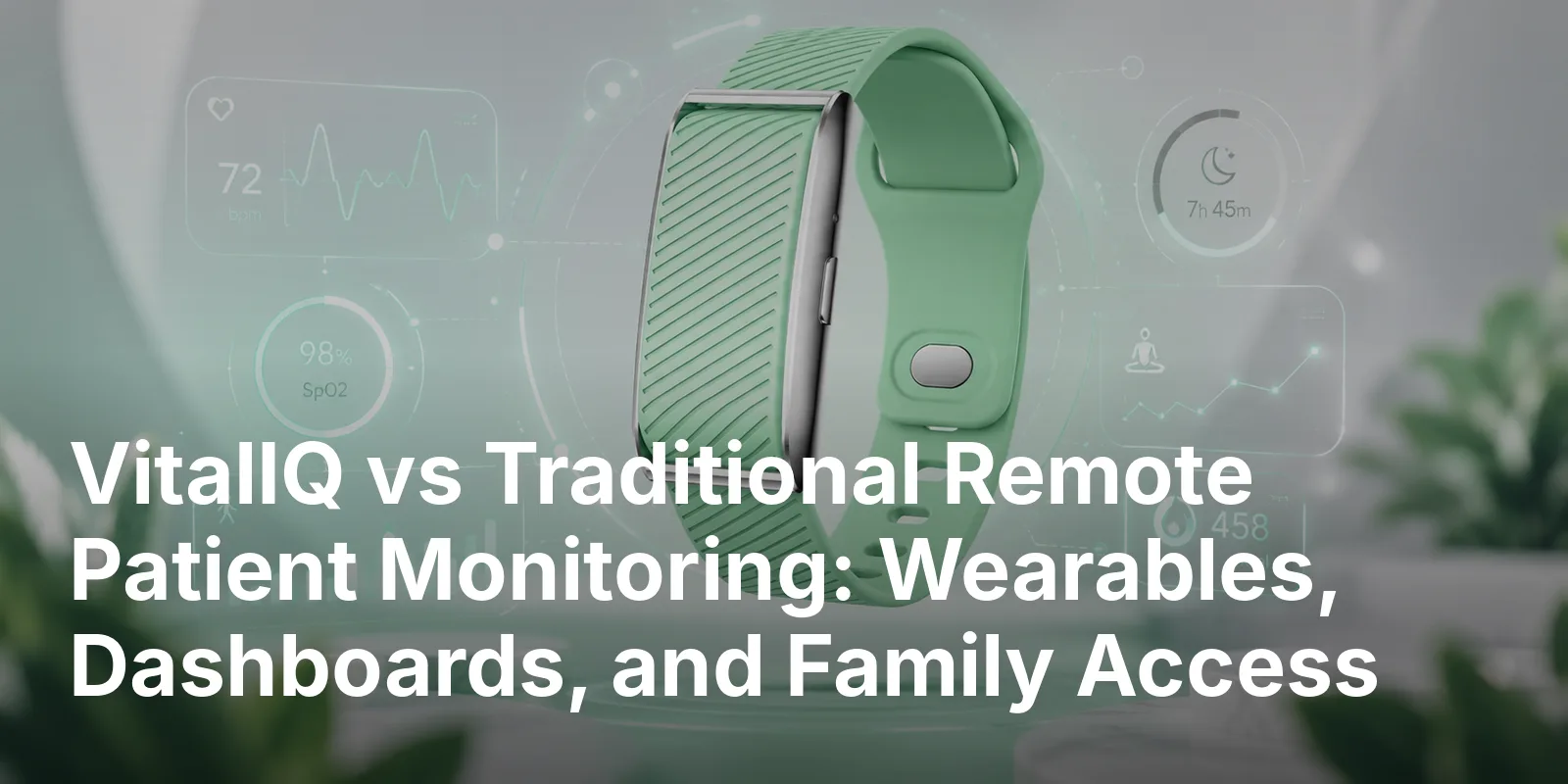
Traditional remote patient monitoring is built around episodic device readings. VitalIQ is designed around continuous wearable trends, facility dashboards, family access, and AI summaries.

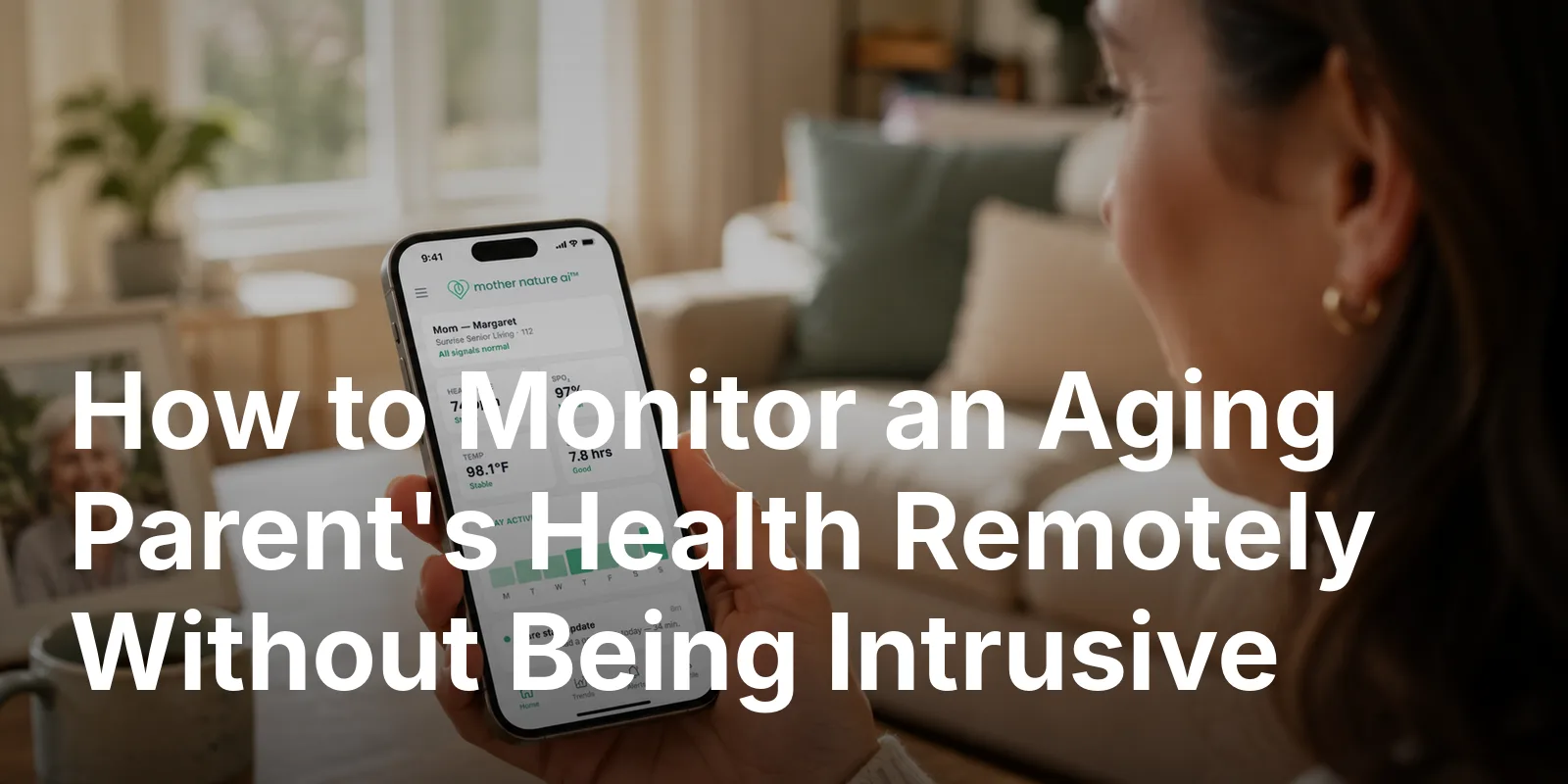
A practical guide for families who want to monitor an aging parent's health remotely with dignity, consent, wearable trends, and calmer conversations.

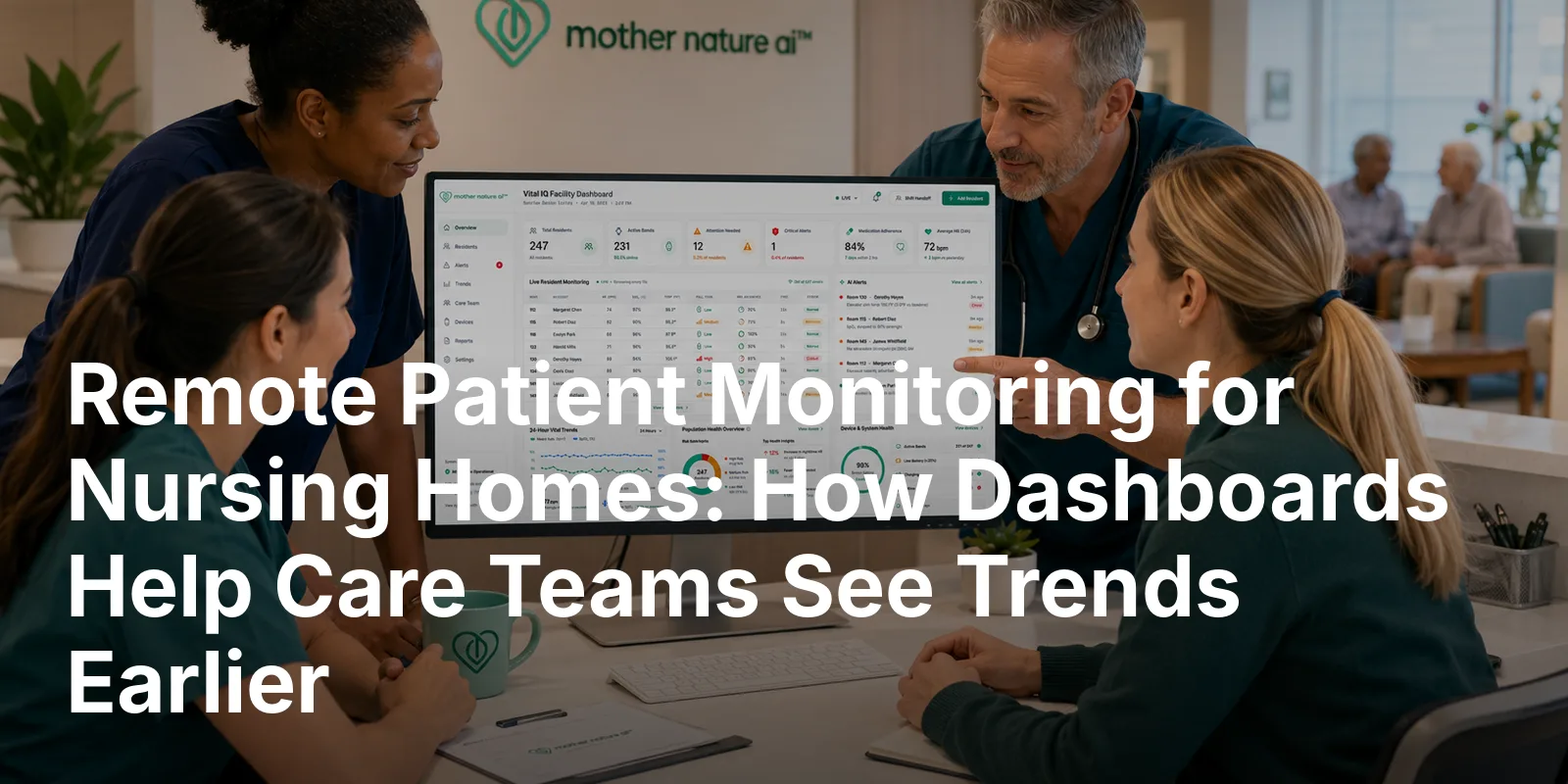
Remote patient monitoring for nursing homes is moving from clipboards and spot checks to wearable health data, facility dashboards, family visibility, and AI-assisted trend summaries.

An evidence-based look at apple cider vinegar — what it can realistically do for blood sugar, weight, and digestion, how to use it safely, and the side effects worth knowing about.

Tired all the time? An evidence-based guide to the best herbs and supplements for fatigue and low energy — adaptogens like rhodiola and ashwagandha, ginseng, CoQ10, iron, and B12 — plus when exhaustion needs a doctor.

An evidence-based guide to electrolytes — sodium, potassium, magnesium, and calcium — what they do, the signs of an imbalance, who actually needs electrolyte drinks, and how to replenish them without overdoing the sugar or salt.

Berberine went viral as a natural Ozempic alternative. Here's what the research actually shows about berberine for weight, blood sugar, and cholesterol — and why the comparison to GLP-1 drugs is misleading.

A science-backed ranking of the best natural supplements for sleep — magnesium, melatonin, L-theanine, glycine, valerian, and more — with what the research shows, how to dose them, and what to try first for insomnia.

Practical, science-backed home remedies for migraine relief — from magnesium and hydration to cold therapy, caffeine timing, and the supplements with real preventive evidence.

A research-based guide to matcha — its antioxidants, calm-energy effect from L-theanine plus caffeine, metabolism and heart benefits, caffeine content, and who should be cautious.

An evidence-based guide to lowering high cortisol naturally — the lifestyle changes, sleep and light habits, exercise, breathing, and adaptogens that genuinely move the needle, plus the 'cortisol' myths to ignore.
Med Tracker is our free iPhone app for logging doses in a tap, tracking symptoms and mood, keeping a journal, pulling in sleep and activity from Apple Health, and asking an AI how you are really doing. Here is what it does, who it is for, and how it fits with the Mother Nature AI experts.
Remote photoplethysmography can recover a pulse from camera video of skin. Here is what the peer-reviewed literature supports today, what is still research, and where camera-based vital signs could go next.

A firsthand account of growing up in Bethpage, Long Island — one of America's largest hidden environmental disasters — where decades of industrial contamination poisoned the groundwater and left families dealing with cancer, brain tumors, and chronic disease.

Fiber is one of the best-supported nutrition levers for gut, metabolic, and cardiovascular health. The hard part is increasing it slowly enough to avoid bloating. Here is the evidence, the ramp-up protocol, and the mistakes to avoid.

Magnesium glycinate has become the most-recommended form of magnesium for sleep and anxiety. Here is what the published research actually shows about its benefits, why most other forms underperform, and how to dose it without wasting money.

Personalized nutrition is useful, but microbiome testing and AI meal plans are easier to oversell than to validate. Here is what the evidence supports, what still needs proof, and how Mother Nature AI thinks about gut-health recommendations.
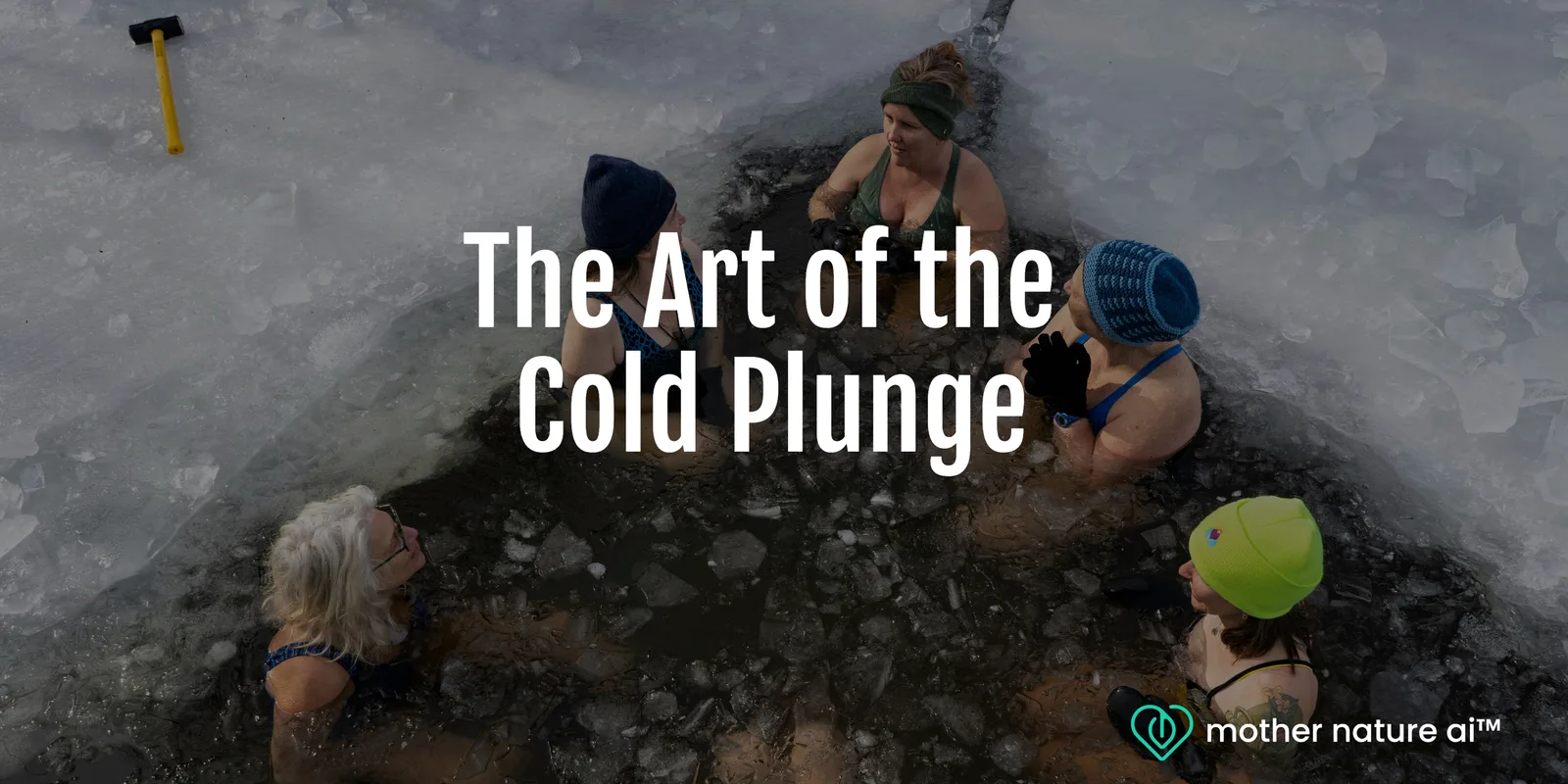
Cold plunging has gone from Wim Hof workshops to Equinox locker rooms in less than a decade. The dopamine and noradrenaline data is real; some of the longer-term claims are weaker. Here is what the published trials show, the protocol with the strongest evidence, and the safety details people skip.

Creatine isn't just for muscles. A growing body of research — including a 2024 Sci Rep study on a single 5g dose during sleep deprivation — shows measurable cognitive effects. Here is what the evidence supports, who benefits most, and what the dose actually should be.

Forest bathing is not a biohack or a hike. It is a slow nature-exposure practice with evidence for stress reduction, parasympathetic activation, and mood support. Here is what the research actually shows.

The vagus nerve has become the wellness industry's favorite biohacking target. The science behind it is real, but most of the popular claims do not match the published literature. Here is what is actually supported, what is not, and the protocols with the strongest evidence.

A class-action complaint raised questions about phthalates, food packaging, and what 'natural' claims can hide. Here is what is alleged, what is proven, what consumers should know, and where AI can help without overclaiming.

DNA barcoding, chemical fingerprinting, spectroscopy, and computer vision can help verify botanical identity and contamination risk. Here is where AI helps, where it still needs lab data, and why supplement quality matters.

Traditional systems describe plants as warming, cooling, calming, or Qi-tonifying. Some of that language maps to real pharmacology, but the translation has limits. Here is how AI can help without flattening traditional medicine into marketing copy.

Our co-founder Isaiah was diagnosed with Focal Segmental Glomerulosclerosis (FSGS) in early 2025. This deep dive explores how Mother Nature AI's data-driven logging, pattern detection, and herbal routines helped him regain agency over his kidney health — alongside standard medical care.
For mild to moderate anxiety, passionflower leads the evidence — but lavender, ashwagandha, chamomile, and L-theanine each have their place. This guide ranks them, compares them, and explains where each works best.

Mother Nature AI now remembers your health context across conversations and lets you journal symptoms, supplements, and patterns over time. Here is what we shipped, what it does, and the reasoning behind the design choices we made on privacy, control, and the integrations.
A 2025 study of more than 12,000 Japanese workers linked higher adherence to the traditional Washoku diet with lower depressive-symptom risk. Here is what the finding means, what it cannot prove, and how to use the pattern practically.

A comprehensive, evidence-based guide to the most effective herbal remedies for menopause symptoms in 2025 — from hot flashes and night sweats to mood swings, sleep disruption, and metabolic changes.

Bacopa, rhodiola, lion's mane, ginkgo, creatine, caffeine, and L-theanine are not interchangeable. Here is what the evidence supports, what is overhyped, and how to think about a safer nootropic stack.

A 2025 preclinical study on a stabilized carnosic acid compound renewed interest in rosemary and neuroinflammation. Here is what the mouse data shows, what it does not prove, and how to think about rosemary for brain health today.

Lion's mane, reishi, cordyceps, chaga, and turkey tail are everywhere in wellness. Some claims have human evidence; others are mostly preclinical or marketing. Here is the practical evidence review and buying checklist.

Nutrition can support collagen, barrier function, inflammation, and photoprotection, but food does not replace sunscreen, retinoids, or dermatology care. Here is the practical evidence for skin-supportive foods and supplements.