
Best Supplements for Sleep: An Evidence-Based Ranking of What Actually Works
A science-backed ranking of the best natural supplements for sleep — magnesium, melatonin, L-theanine, glycine, valerian, and more — with what the research shows, how to dose them, and what to try first for insomnia.
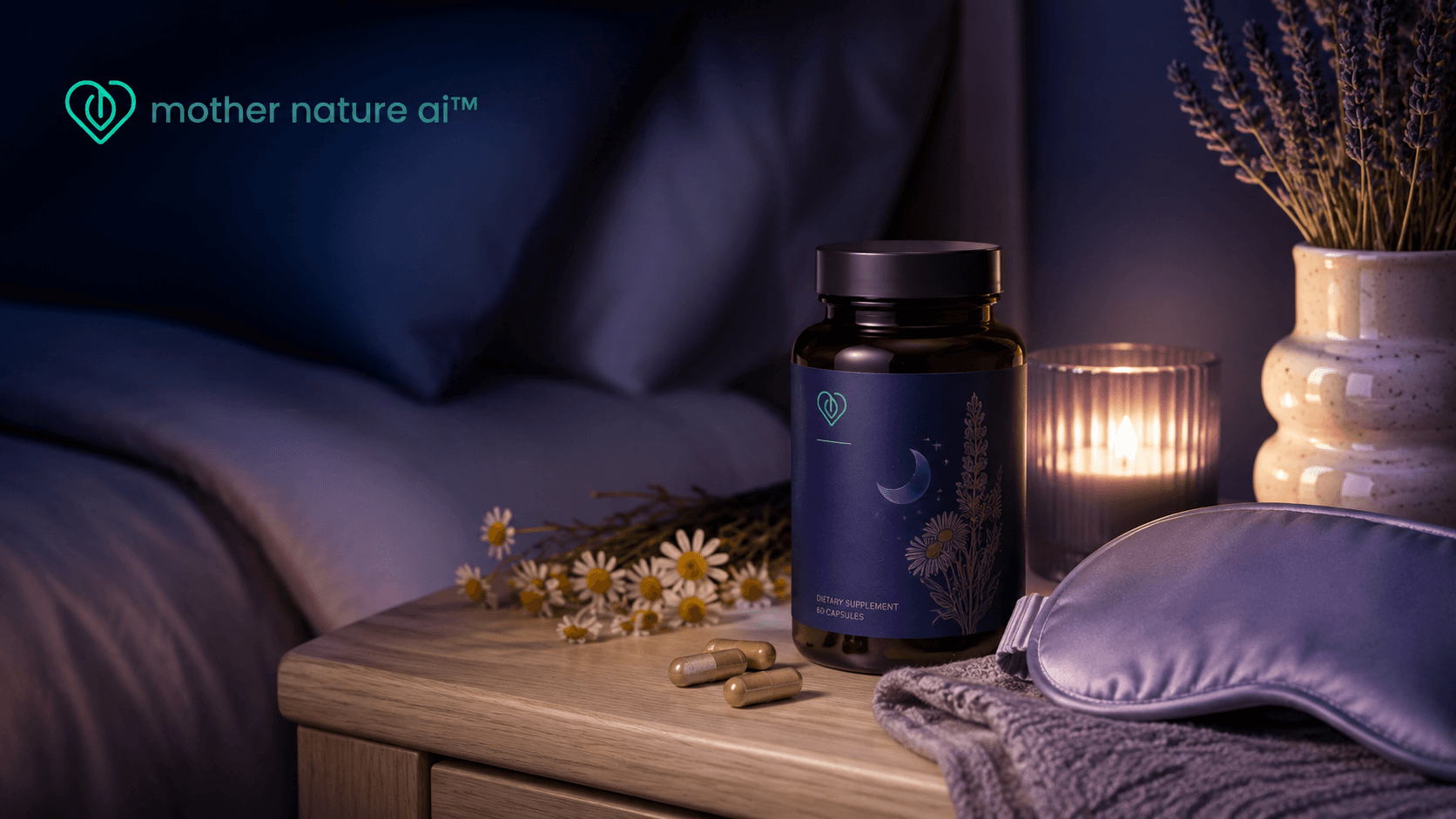
If you're lying awake at night, the supplement aisle offers a dizzying array of sleep aids. Some have real science behind them; others are mostly hope in a bottle. This guide ranks the best evidence-based options, explains how each works, and helps you match the right one to why you're not sleeping. For the bigger picture, see our full guide to insomnia.
Start here: it's not just about supplements
Before any supplement, the foundation is sleep hygiene and, for chronic insomnia, CBT-I (cognitive behavioral therapy for insomnia) — the most effective long-term treatment, more durable than any pill. Consistent sleep/wake times, morning light, a cool dark room, and limiting late caffeine and alcohol do more than most supplements. With that said, here are the supplements worth knowing.
Tier 1: The best-supported options
Magnesium (glycinate)
Magnesium is the best all-around first choice. It supports the GABA pathways that calm the nervous system, and many people are mildly deficient. The glycinate form is preferred for sleep because it's well absorbed, gentle on the gut, and glycine itself promotes sleep.
- Best for: general relaxation, tense or restless sleep, people low in magnesium
- Dose: ~200–400 mg elemental magnesium, 30–60 minutes before bed
Melatonin
Melatonin is your body's own "darkness signal." It's not a sedative — it's best for circadian problems: jet lag, shift work, or a delayed body clock. Crucially, lower doses (0.5–3 mg) often work better than high ones, and timing matters more than amount.
- Best for: jet lag, shift work, delayed sleep phase, trouble falling asleep at a normal time
- Dose: 0.5–3 mg, 1–2 hours before desired sleep time
L-theanine
L-theanine, the calming amino acid in green tea, promotes relaxation and an "alert calm" without sedation. It's especially useful for a racing, anxious mind at bedtime, and it pairs well with magnesium.
- Best for: anxiety-driven, can't-switch-off insomnia
- Dose: 100–200 mg before bed
Glycine
Glycine is an underrated amino acid with good evidence: 3 grams before bed has been shown to improve subjective sleep quality and next-day alertness, partly by lowering core body temperature, which helps initiate sleep.
- Best for: improving sleep quality and reducing next-day grogginess
- Dose: 3 g before bed
Tier 2: Helpful herbal options
Valerian
Valerian root is the most studied sleep herb, working through GABA pathways. Evidence is mixed but positive for some, and it's non-habit-forming — a reasonable option for those who prefer botanicals.
- Dose: 300–600 mg standardized extract, 30–60 minutes before bed
Other calming botanicals
- Chamomile — gentle, traditional, good as a bedtime tea
- Lemon balm — often combined with valerian for a racing mind
- Passionflower — traditionally used for anxious, restless sleep
- Lavender — oral preparations and aromatherapy both have calming evidence
Ashwagandha (for stress-driven insomnia)
If your sleeplessness is tangled up with stress and high cortisol, ashwagandha addresses the root by lowering cortisol — and trials show improved sleep onset and quality. We cover this connection in our article on lowering cortisol naturally.
How to choose (and stack) based on why you can't sleep
| Your problem | Try first |
|---|---|
| Can't relax / tense body | Magnesium glycinate |
| Racing, anxious mind | L-theanine (± magnesium) |
| Wrong body-clock timing / jet lag | Low-dose melatonin |
| Poor sleep quality, groggy mornings | Glycine |
| Stress and high cortisol | Ashwagandha |
| Prefer herbal/tea route | Valerian, chamomile, lemon balm |
A common, sensible stack is magnesium glycinate + L-theanine + glycine, with melatonin added only when circadian timing is the issue. Start with one, give it 1–2 weeks, and add rather than starting everything at once.
Safety and interactions
- Melatonin can cause grogginess or vivid dreams; keep the dose low. Not for routine use in children without guidance.
- Valerian and other sedating herbs can add to alcohol, benzodiazepines, and other sedatives — don't combine without advice.
- Ashwagandha isn't appropriate in pregnancy or uncontrolled hyperthyroidism.
- Sleep supplements can interact with medications — run combinations through our interaction checker before stacking.
When supplements aren't the answer
Supplements help with mild, situational sleep trouble — but they won't fix an underlying sleep disorder. See a doctor if insomnia persists beyond a few weeks, if you snore loudly and gasp or stop breathing (possible sleep apnea), if you're exhausted during the day despite enough time in bed, or if poor sleep accompanies depression or anxiety. These need proper diagnosis, not just a bedtime capsule.
The bottom line
For most people, magnesium glycinate is the smartest first supplement to try, with L-theanine for a busy mind, glycine for sleep quality, and low-dose melatonin reserved for body-clock problems. Layer them thoughtfully on top of solid sleep habits — and remember that for chronic insomnia, CBT-I beats any pill in the long run.
Want a personalized, evidence-based sleep plan based on your specific sleep problem and medications? Ask Mother Nature — free, private, and available 24/7.