
Matcha Green Tea: Health Benefits, Caffeine, and How It Compares to Regular Green Tea
A research-based guide to matcha — its antioxidants, calm-energy effect from L-theanine plus caffeine, metabolism and heart benefits, caffeine content, and who should be cautious.
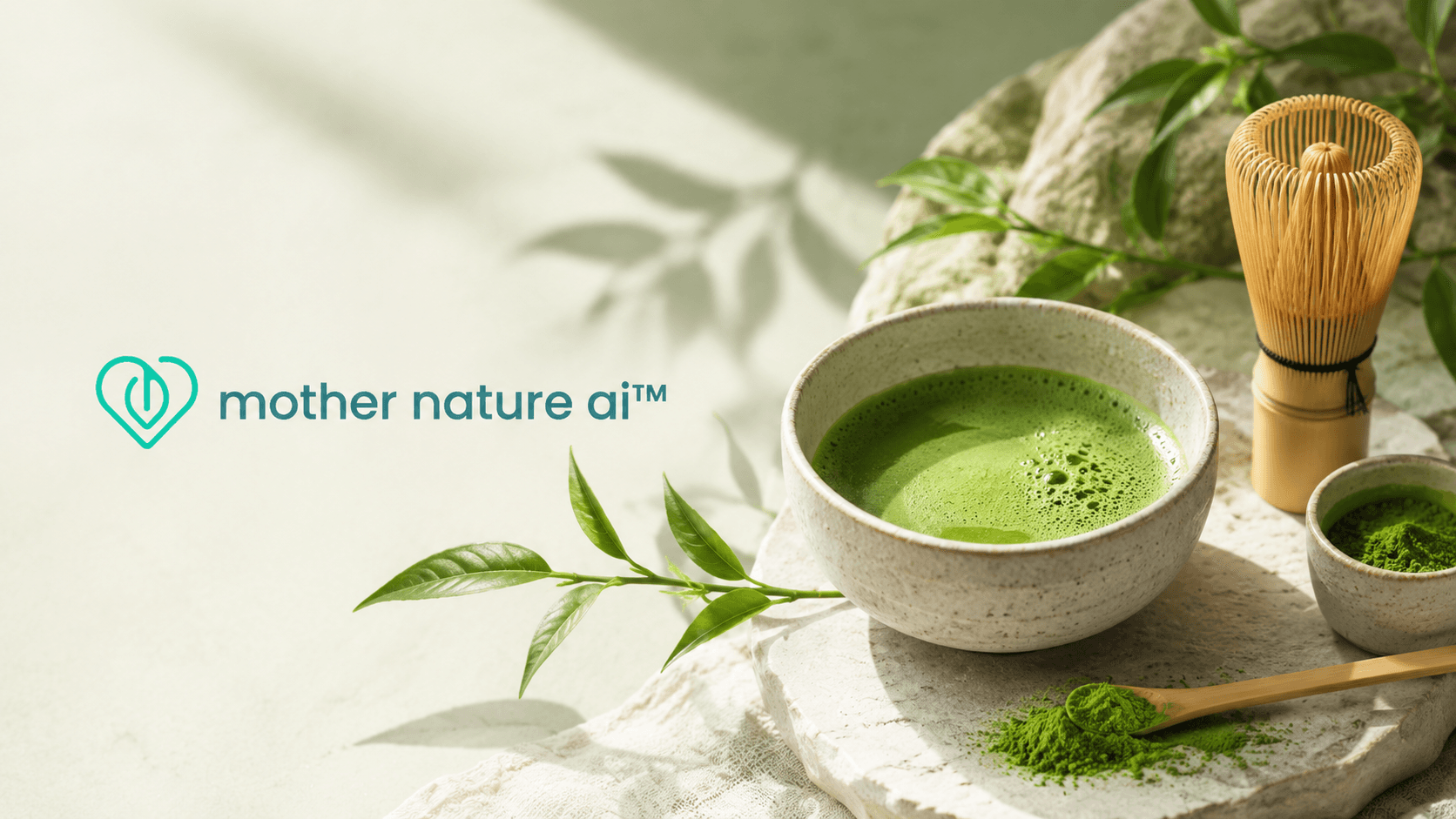
Matcha has gone from a niche Japanese tea ceremony ingredient to one of the most popular health beverages in the world — appearing in lattes, smoothies, and even desserts. But behind the vivid green color and Instagram appeal is a genuinely interesting drink with real, research-supported benefits. Here's what matcha can do for you, how it differs from ordinary green tea, and how to enjoy it wisely.
What makes matcha different
All green tea comes from the Camellia sinensis plant, but matcha is produced differently in two key ways:
- Shade-growing. For several weeks before harvest, the plants are shaded. This boosts chlorophyll (the vivid green) and dramatically increases the amino acid L-theanine, which is responsible for matcha's signature calm focus.
- Whole-leaf consumption. The leaves are stone-ground into a fine powder that you whisk into water and drink entirely — rather than steeping and discarding the leaves. You consume the whole leaf, so you get a far higher concentration of beneficial compounds.
That second point is the crux of matcha's edge: with regular green tea, much of the catechin and L-theanine content stays locked in the leaves you throw away. With matcha, it all ends up in your cup.
The calm-energy effect: caffeine + L-theanine
This is matcha's most beloved quality. A serving provides a meaningful dose of caffeine alongside L-theanine, and the combination is more than the sum of its parts.
- Caffeine provides alertness and energy.
- L-theanine promotes relaxation and increases alpha brain-wave activity, taking the jittery edge off caffeine.
Together they produce smooth, focused energy without the crash or anxiety many people get from coffee. Studies on caffeine–L-theanine combinations show improvements in attention, reaction time, and task-switching. It's a big part of why matcha has become a favorite among people looking for productive calm.
Antioxidants and the EGCG advantage
Matcha is exceptionally rich in catechins, a class of polyphenol antioxidants. The star is epigallocatechin gallate (EGCG), which has been studied for anti-inflammatory, metabolic, and cardiovascular effects.
Because you're consuming the whole shade-grown leaf, matcha can deliver several times the EGCG of an equivalent cup of brewed green tea. These antioxidants help neutralize free radicals and reduce oxidative stress, a contributor to aging and chronic disease.
Heart and metabolic benefits
| Benefit | What the research shows |
|---|---|
| Cholesterol | Green tea catechins are associated with modest reductions in LDL and total cholesterol. |
| Blood pressure | Regular green tea intake is linked to slightly lower blood pressure over time. |
| Fat oxidation | EGCG can modestly increase fat burning and energy expenditure, especially with exercise. |
| Blood sugar | Some evidence that catechins improve insulin sensitivity and blunt glucose spikes. |
These effects are real but moderate — matcha is a supportive habit, not a cure. For the broader picture on cardiovascular risk factors, see our guides to high cholesterol and high blood pressure.
Focus, mood, and brain health
Beyond the acute focus boost, the L-theanine in matcha has been studied for reducing stress and supporting a calm mental state — themes we explore in our piece on natural nootropics. Population studies also associate regular green tea consumption with better cognitive function in older adults, though cause and effect aren't established.
How much caffeine is really in matcha?
A typical 1-gram serving contains roughly 35–70 mg of caffeine, depending on the grade (ceremonial vs. culinary) and how much powder you use. That's generally:
- More than a standard cup of steeped green tea (~25–45 mg)
- Less than a cup of brewed coffee (~95 mg)
Thanks to L-theanine and the slower way matcha is absorbed, the energy tends to feel even and sustained rather than spiky.
How to enjoy matcha wisely
- Quality matters. Ceremonial-grade matcha (bright green, fine, from Japan) tastes smoother and tends to have lower contaminant levels than dull, cheap culinary powders.
- Whisk, don't boil. Use water around 175°F (80°C). Boiling water makes matcha bitter and can degrade some compounds.
- Mind the timing. Avoid drinking it with iron-rich meals if you're prone to iron-deficiency anemia, since catechins can reduce non-heme iron absorption.
- Cap your caffeine. Keep total daily caffeine under ~400 mg, and skip late-afternoon servings if it disrupts your sleep.
Who should be cautious
Matcha is safe for most people, but a few groups should moderate intake:
- Pregnancy: Keep total caffeine under ~200 mg/day, and note that catechins can affect folate metabolism.
- Iron deficiency: Drink matcha between meals rather than with them.
- Caffeine sensitivity, anxiety, or arrhythmia: Start with a small serving.
- Liver concerns: Tea is fine, but avoid high-dose concentrated green tea extract supplements, which have rarely been linked to liver injury.
The bottom line
Matcha earns its reputation. By delivering the whole shade-grown leaf, it provides more antioxidants, L-theanine, and caffeine than ordinary green tea, producing a uniquely calm, focused energy along with genuine — if modest — heart and metabolic benefits. Choose a good-quality powder, prepare it gently, keep your caffeine in check, and it's one of the more enjoyable healthy habits you can build.
Want to know how matcha fits with your caffeine tolerance, medications, or health goals? Ask Mother Nature — free, private, and evidence-based, any time.