
Ginseng tea: what it is good for, and is it good for you?
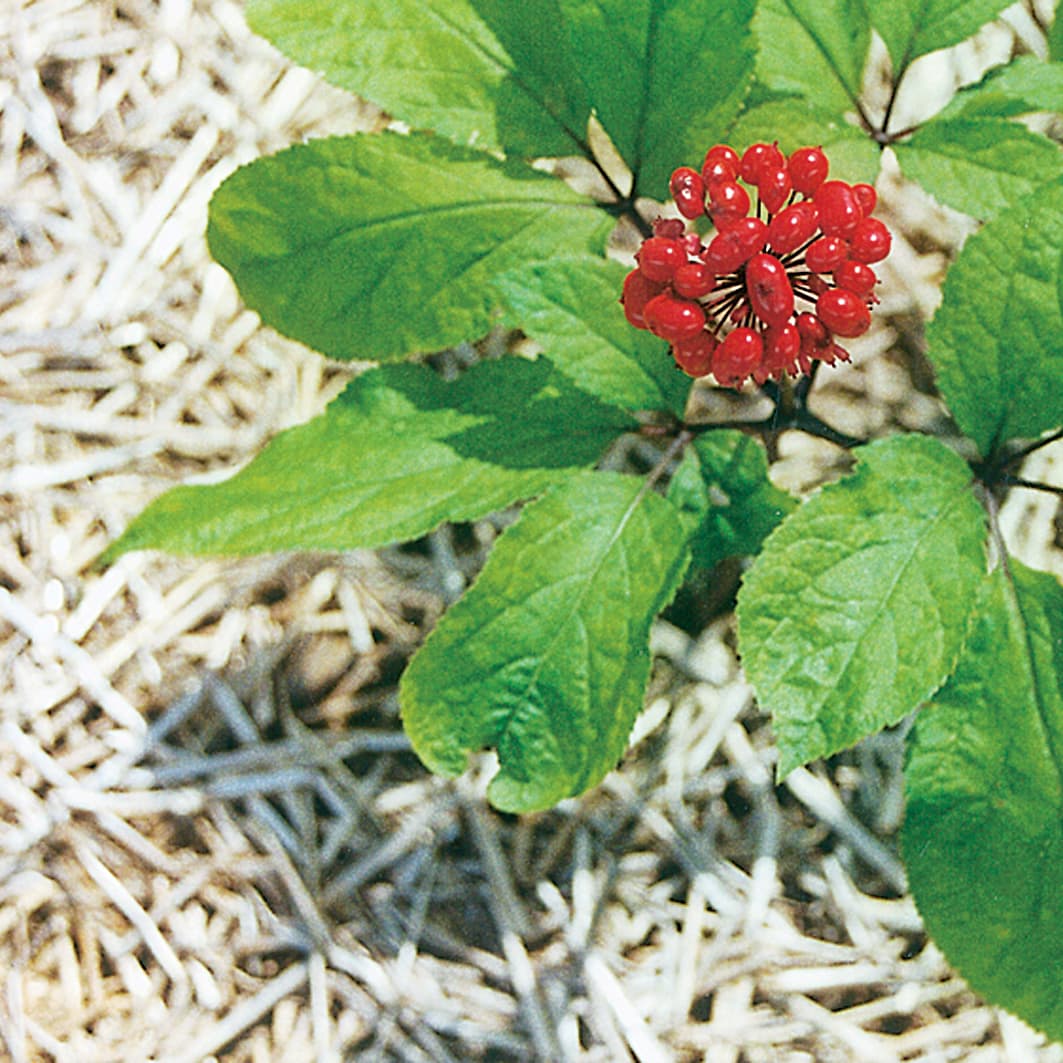
Panax ginseng root (Asian or Korean ginseng), sold as dried white slices or steamed and dried 'red' ginseng; American ginseng (Panax quinquefolius) is a related species with its own trials
Ginseng tea is good for three things with reasonable human evidence: easing persistent fatigue, trimming fasting and after-meal blood sugar, and (for American ginseng extracts) reducing the number of colds you catch over a winter. It also has a cluster of smaller trials on mental performance, erectile function and menopausal symptoms that point the same way but are not yet convincing. What ginseng is not is a stimulant: it contains no caffeine, and the fatigue trials took 4–8 weeks of daily use to show an effect.
Is ginseng tea good for you? For healthy adults using it in cycles of a few weeks to a few months, yes, with two large caveats. First, dose: trials used 1–3 g of root or 200–400 mg of standardised extract a day, and a cup made by steeping a thin slice delivers much less, while Korean instant 'ginseng tea' granules are mostly sugar with a little extract. Second, safety: ginseng interacts with warfarin, diabetes drugs and MAOI antidepressants, commonly causes insomnia, and should be avoided in pregnancy and in children.
This page grades the claims by the trials behind them, explains how to brew ginseng root so you actually get a useful dose, how much and for how long is sensible, and who should not drink it.
What ginseng tea is good for
- Fatigue — 1–2 g a day of Panax ginseng for 4 weeks reduced fatigue scores in 90 adults with chronic fatigue; a meta-analysis of 12 trials agrees
- Blood sugar — fasting glucose fell by about 0.3 mmol/L (5.6 mg/dL) across 16 trials; American ginseng blunts after-meal spikes by about 20%
- Colds — 400 mg a day of an American ginseng extract for 4 months meant 25% fewer colds in 323 adults
- Mental performance — single doses improved mental arithmetic and reduced mental fatigue in small trials; a Cochrane review was unconvinced
- Erectile function — red ginseng helped in older small trials; the 2021 Cochrane review found at most a trivial effect
- Energy, not stimulation — no caffeine; benefits appear over weeks, and 2–3 months on then a break is the traditional pattern
Ginseng tea benefits, graded by the evidence
Strong = multiple human trials or a meta-analysis. Moderate = a few small trials. Preliminary = early, traditional or animal data.
Reduces persistent fatigue
Moderate evidenceIn a randomised, double-blind trial of 90 adults with idiopathic chronic fatigue, 2 g a day of Panax ginseng extract for 4 weeks lowered fatigue scores significantly more than placebo and reduced markers of oxidative stress; the 1 g dose helped less. A 2016 meta-analysis of 12 randomised trials in 630 people concluded ginseng has a modest but real effect on fatigue, while finding no effect on physical performance. The biggest single trial used American ginseng: 2,000 mg a day for 8 weeks improved fatigue in 364 cancer survivors (a 20-point gain on the fatigue scale versus 10 for placebo).
Key evidenceKim et al., PLoS One 2013; Bach et al., Journal of Korean Medical Science 2016; Barton et al., JNCI 2013
Lowers blood sugar
Moderate evidenceA meta-analysis of 16 randomised trials in 770 adults, with and without diabetes, found ginseng (Panax species) lowered fasting glucose by about 0.31 mmol/L (5.6 mg/dL) compared with control, with no significant change in HbA1c or fasting insulin. In separate crossover studies, 3 g of American ginseng taken 40 minutes before a sugar load cut the after-meal glucose rise by roughly 20% in both healthy people and people with type 2 diabetes. These are modest, consistent effects; they add to, rather than replace, diet and medication, and they are the reason diabetics on insulin or sulfonylureas should monitor more closely when starting ginseng.
Key evidenceShishtar et al., PLoS One 2014 (meta-analysis of 16 RCTs); Vuksan et al., Archives of Internal Medicine 2000
Fewer colds over the winter (American ginseng extract)
Moderate evidenceIn a randomised trial of 323 adults with a history of frequent colds, 400 mg a day of a standardised North American ginseng polysaccharide extract (CVT-E002) for 4 months reduced the mean number of colds per person from 0.93 to 0.68, cut the proportion catching two or more colds from 22.8% to 10.8%, and shortened the colds that did occur. Smaller trials in older adults point the same way. This was a specific extract of American ginseng, not Korean ginseng root, and brewed tea delivers a different mix of compounds, so the carry-over to a home-made cup is uncertain.
Key evidencePredy et al., CMAJ 2005 (323 adults, 4 months)
Sharpens mental performance under load
Moderate evidenceIn a double-blind crossover study of 30 healthy young adults, a single 200 mg dose of the standardised extract G115 improved performance on repeated mental arithmetic and reduced self-rated mental fatigue during an hour of demanding cognitive work, alongside a drop in blood glucose. Several other small trials report faster reaction times or better working memory after single doses or a few weeks of use, but a 2010 Cochrane review of 9 trials concluded the evidence is not convincing, with inconsistent results across different tests and populations. A real effect is plausible; a reliable one is not yet shown.
Key evidenceReay et al., Journal of Psychopharmacology 2005; Geng et al., Cochrane Database of Systematic Reviews 2010
May help erectile function (red ginseng)
Moderate evidenceKorean red ginseng at 1.8–3 g a day for 8–12 weeks improved erectile function scores in a series of small Korean trials, and a 2008 meta-analysis of 7 trials in 349 men found a significant benefit. A more rigorous 2021 Cochrane review of 9 trials in 587 men concluded ginseng may have only a trivial effect on erectile function compared with placebo, with low-certainty evidence and no reliable data on satisfaction or safety. It is reasonable to try for mild symptoms, but it is far weaker than prescription options and takes weeks.
Key evidenceLee et al., Cochrane Database of Systematic Reviews 2021; Jang et al., British Journal of Clinical Pharmacology 2008
Eases menopausal symptoms
Preliminary evidenceIn a double-blind trial of 72 postmenopausal women, 3 g a day of Korean red ginseng for 12 weeks improved scores on the Kupperman index and the Menopause Rating Scale compared with placebo, and also lowered total and LDL cholesterol. Hot-flush frequency itself did not change significantly. One trial of this size is not enough to be confident, and because ginseng has shown weak oestrogen-like activity in some laboratory studies, women with hormone-sensitive cancers should ask their oncologist before using it regularly.
Key evidenceKim et al., Menopause 2012 (72 women, 12 weeks)
Boosts physical or athletic performance
Preliminary evidenceGinseng's reputation as a performance herb does not survive the pooled data: the 2016 meta-analysis found no significant effect on physical performance measures such as VO2 max, time to exhaustion or muscle strength across the trials that measured them, even where fatigue ratings improved. A few small studies report less muscle damage or lower lactate after exercise with 1–2 g a day for a week or more. If you feel better training on ginseng, that may be real, but do not expect measurable gains.
Key evidenceBach et al., Journal of Korean Medical Science 2016 (meta-analysis, no effect on performance)
Is ginseng tea good for you?
- Yes for most healthy adults, used in cycles: 1–3 g of root a day for 4–12 weeks has fair evidence for fatigue and blood sugar, then take a break of a few weeks.
- Get a real dose. A thin slice steeped for 2 minutes is a flavouring; a simmered cup from 2 g of sliced root (and chewing the slices) is a dose. Instant granule 'ginseng tea' is mostly sugar.
- Avoid it in pregnancy and breastfeeding and do not give it to children; a ginsenoside caused birth defects in animal embryo studies and there is no human safety data.
- Do not combine it with warfarin, MAOI antidepressants (phenelzine) or, without monitoring, insulin and sulfonylureas; it blunts warfarin, has triggered mania with phenelzine and adds to glucose lowering.
- Insomnia is the most common side effect, so drink it in the morning, and skip it if you have uncontrolled high blood pressure or a hormone-sensitive cancer until you have talked to your doctor.
How to brew ginseng tea
1–2 g dried root (3–6 thin slices, or 1 teaspoon of shredded root) per 8 oz; or 1 bag of root tea per cup
212°F / 100°C, ideally simmered rather than steeped
Simmer slices gently for 10–15 minutes in a covered pot (a decoction); if steeping a bag, 10 minutes with the cup covered
- Simmer in a ceramic, glass or stainless pot, not aluminium or iron, as tradition and chemistry both advise.
- The slices can be simmered a second time and then eaten; chewing them is the oldest way to take the full dose.
- Korean red ginseng (steamed and dried) is stronger-tasting and the form used in most erectile and menopause trials; white ginseng is milder. A slice of jujube or a little honey softens the bitterness.
How much per day
One to two cups a day made from a total of 1–3 g of root, taken in the morning, for up to 3 months at a time, then a break of 2–4 weeks; that mirrors the trial doses and the traditional cycling pattern. More does not help and makes insomnia and jitteriness more likely.
None, unless it is blended with green or black tea. Ginseng's lift comes from ginsenosides, which work differently from caffeine and build up over weeks rather than minutes.
Side effects, interactions and who should limit it
Side effects
- Insomnia, the most common complaint, especially if drunk after midday
- Headache, restlessness or nervousness, more likely at higher doses or with caffeine
- Digestive upset: nausea, loose stools or stomach ache
- Breast tenderness or changes in menstrual bleeding in some women
- Changes in blood pressure, up or down, reported at higher doses
- Skin rash or, rarely, allergic reactions
Interactions
- Warfarin: American ginseng reduced warfarin's anticoagulant effect and lowered INR in a randomised trial of 20 healthy adults within 2 weeks; avoid, or have INR checked frequently
- Insulin and sulfonylureas (glipizide, gliclazide): additive blood-sugar lowering with a risk of hypoglycaemia; check glucose more often when starting
- MAOI antidepressants (phenelzine, tranylcypromine): case reports of mania, insomnia and headache when combined; avoid
- Stimulants and high caffeine intake: additive restlessness, raised heart rate and insomnia
- Immunosuppressants (after transplant, or for autoimmune disease): ginseng has immune-stimulating effects, so avoid unless your specialist agrees
- Oestrogen-sensitive conditions (breast, ovarian, uterine cancer; endometriosis) and hormone therapy: weak oestrogen-like activity in laboratory studies, so ask your doctor first
Pregnancy and breastfeeding
Avoid ginseng tea in pregnancy: ginsenoside Rb1 caused developmental abnormalities in rat embryo studies, and there is no reliable human safety data. Avoid it while breastfeeding for the same reason, and do not give it to children. Rooibos or ginger tea are safer choices for energy and nausea.
Frequently asked questions
What is the difference between Korean ginseng tea and American ginseng tea?
Both come from the Panax genus, but they are different species with different ginsenoside profiles. Korean (Asian) ginseng, Panax ginseng, is considered more stimulating and is the one used in most fatigue, erectile and menopause trials; 'red ginseng' is Korean ginseng that has been steamed before drying. American ginseng, Panax quinquefolius, is milder, and it is the species behind the best blood-sugar, cancer-fatigue and cold-prevention trials.
Does ginseng tea give you energy like coffee?
No. Ginseng has no caffeine and does not produce a quick lift. In trials, fatigue improved after 4–8 weeks of daily use, and the effect is better described as less tiredness than as stimulation. If you need to be alert in the next hour, tea or coffee works; if you have been running on empty for months, ginseng is the one with trial evidence.
Is instant Korean ginseng tea (the granules) worth it?
Mostly no. The familiar boxes of Korean ginseng tea granules are typically 85–95% sugar or dextrose with a small percentage of ginseng extract, so each sachet delivers a fraction of the 1–3 g root dose used in trials along with 2–3 teaspoons of sugar. If you want a real dose, simmer dried root slices or use a red ginseng extract and dilute it in hot water.
How long does ginseng tea take to work?
Expect 2–4 weeks for fatigue and 4–8 weeks for blood sugar or erectile function; a single cup produces at most a subtle change in mental performance. Most trials ran 4–12 weeks. Traditional practice, and the German Commission E monograph, suggest using it for up to 3 months, then pausing for a few weeks.
Can I drink ginseng tea every day?
Yes, for a few weeks to a few months at a time, in the morning. Daily use is how every positive trial was run. Take a break after about 3 months, keep to 1–3 g of root a day, and do not combine it with warfarin or MAOI antidepressants. Stop and talk to your doctor if you notice insomnia, palpitations or a change in blood pressure.
Is ginseng tea safe with high blood pressure?
With caution. Ginseng has raised blood pressure in some reports and lowered it in others, and trials in people with controlled hypertension have mostly shown no meaningful change. If your pressure is uncontrolled, leave it until it is managed; if it is controlled, check your readings during the first couple of weeks.
References
- Kim HG, Cho JH, Yoo SR, et al.. Antifatigue effects of Panax ginseng C.A. Meyer: a randomised, double-blind, placebo-controlled trial. PLoS One (2013)
- Bach HV, Kim J, Myung SK, Cho YA. Efficacy of ginseng supplements on fatigue and physical performance: a meta-analysis. Journal of Korean Medical Science (2016)
- Barton DL, Liu H, Dakhil SR, et al.. Wisconsin Ginseng (Panax quinquefolius) to improve cancer-related fatigue: a randomized, double-blind trial, N07C2. Journal of the National Cancer Institute (2013)
- Shishtar E, Sievenpiper JL, Djedovic V, et al.. The effect of ginseng (the genus Panax) on glycemic control: a systematic review and meta-analysis of randomized controlled clinical trials. PLoS One (2014)
- Predy GN, Goel V, Lovlin R, et al.. Efficacy of an extract of North American ginseng containing poly-furanosyl-pyranosyl-saccharides for preventing upper respiratory tract infections: a randomized controlled trial. CMAJ (2005)
- Geng J, Dong J, Ni H, et al.. Ginseng for cognition. Cochrane Database of Systematic Reviews (2010)
- Lee HW, Lee MS, Kim TH, et al.. Ginseng for erectile dysfunction. Cochrane Database of Systematic Reviews (2021)
- Kim SY, Seo SK, Choi YM, et al.. Effects of red ginseng supplementation on menopausal symptoms and cardiovascular risk factors in postmenopausal women: a double-blind randomized controlled trial. Menopause (2012)
- Yuan CS, Wei G, Dey L, et al.. Brief communication: American ginseng reduces warfarin's effect in healthy patients: a randomized, controlled trial. Annals of Internal Medicine (2004)
- Coon JT, Ernst E. Panax ginseng: a systematic review of adverse effects and drug interactions. Drug Safety (2002)
- Reay JL, Kennedy DO, Scholey AB. Single doses of Panax ginseng (G115) reduce blood glucose levels and improve cognitive performance during sustained mental activity. Journal of Psychopharmacology (2005)
- National Center for Complementary and Integrative Health. Asian Ginseng (2020)View source
Guides that rank ginseng tea
Go deeper
Other teas
Is ginseng tea right for you?
Ask AskMN. It knows these studies, checks interactions with the medications you tell it about, and it is free and unlimited, no account needed.
Ask about ginseng teaThis page is educational and is not medical advice. Herbal teas can interact with prescription medicines. Talk with a clinician or pharmacist before relying on any of them, especially if you are pregnant, breastfeeding, have a chronic condition, or take medication.