
What is turmeric tea good for? Benefits, golden milk and the absorption problem
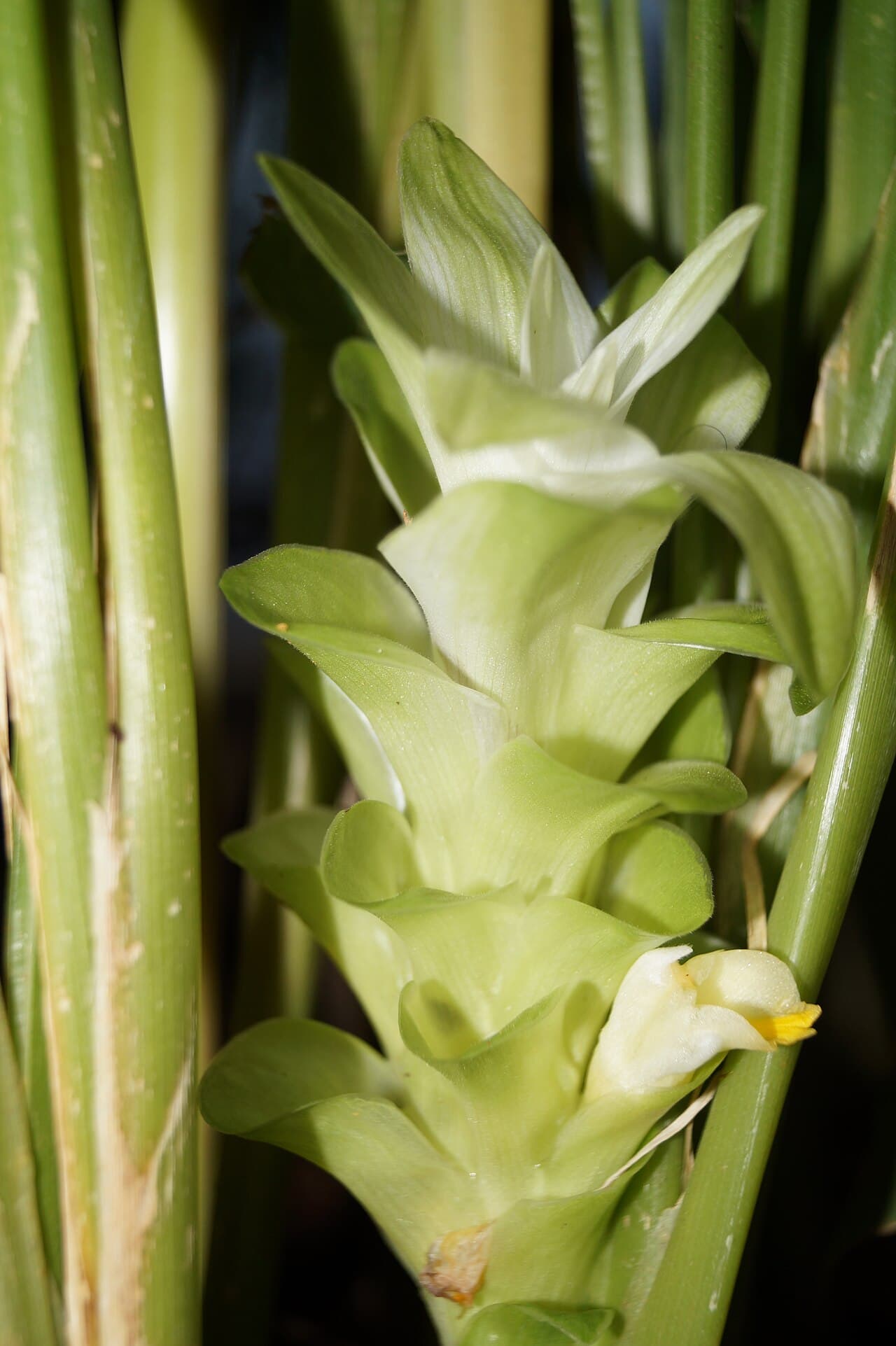
Curcuma longa rhizome, fresh or ground; golden milk adds milk, black pepper and often ginger and cinnamon
Turmeric tea is good for joint pain, low-grade inflammation and, with less certainty, blood sugar and mood. Its active compounds, the curcuminoids, have been tested in more than a hundred randomized trials: 1,000 to 1,500 mg of curcumin a day eased knee osteoarthritis pain about as well as ibuprofen over 4 to 6 weeks, lowered C-reactive protein in a meta-analysis, and in one 9-month trial stopped prediabetes progressing to diabetes in every one of 119 people who took it.
The catch is that those trials used concentrated extracts, and curcumin dissolves poorly in water and is absorbed poorly from the gut. A teaspoon of ground turmeric holds about 90 mg of curcuminoids, only part of which ends up in your cup, and most of that is eliminated before it reaches your blood. That is why golden milk is more than a recipe: fat and black pepper (piperine raised curcumin absorption 20-fold in one human study) are what make a turmeric drink deliver anything measurable.
This page grades what turmeric tea is good for by the human evidence, shows how to brew it so the curcumin is actually absorbed, gives a sensible daily amount, and spells out who should limit it: people with gallstones, kidney stones, iron deficiency, or on blood thinners.
What turmeric tea is good for
- Joint pain — 1,000 to 1,500 mg curcumin a day for 4 to 12 weeks reduced osteoarthritis pain about as much as ibuprofen in a meta-analysis of 8 trials
- Inflammation — curcumin lowered C-reactive protein by a clinically meaningful amount in a pooled analysis of 6 trials
- Blood sugar — 1,500 mg curcuminoids a day for 9 months prevented progression from prediabetes to diabetes (0% vs 16% on placebo)
- Mood — 1,000 mg curcumin a day for 6 weeks matched fluoxetine in a small trial of major depression
- Cholesterol — modest LDL and triglyceride reductions in a meta-analysis of 7 trials
- Absorption — add black pepper and fat (golden milk) or very little reaches your bloodstream
Turmeric tea benefits, graded by the evidence
Strong = multiple human trials or a meta-analysis. Moderate = a few small trials. Preliminary = early, traditional or animal data.
Eases osteoarthritis and joint pain
Strong evidenceA 2016 meta-analysis of 8 randomized trials in 937 people with arthritis found about 1,000 mg of curcumin a day for 8 to 12 weeks reduced pain and improved function significantly more than placebo, with effects comparable to NSAIDs in head-to-head trials. In a 367-patient trial, Curcuma extract 1,500 mg a day was as effective as ibuprofen 1,200 mg a day for knee osteoarthritis over 4 weeks, with fewer stomach complaints. These were extracts; a cup of turmeric tea delivers a fraction of that dose unless you brew it with fat and pepper.
Key evidenceDaily 2016 meta-analysis, J Med Food; Kuptniratsaikul 2014 RCT vs ibuprofen (n=367)
Lowers inflammation markers
Moderate evidenceA 2014 meta-analysis of 6 randomized trials found curcumin supplementation lowered circulating C-reactive protein by a weighted mean of about 6.4 mg/L, a large effect, though the trials were heterogeneous and the biggest drops came from bioavailability-enhanced formulations. Curcumin blocks the NF-kB pathway and COX-2 in cells, which is the mechanism behind most of its claimed uses.
Key evidenceSahebkar 2014 meta-analysis, Phytotherapy Research
Improves blood sugar and may prevent type 2 diabetes
Moderate evidenceIn a 240-person randomized trial in Thailand, 1,500 mg of curcuminoids a day for 9 months prevented progression from prediabetes to diabetes in all 119 people who took it, versus 16.4% of the placebo group developing diabetes; insulin sensitivity and beta-cell function improved too. A 2021 meta-analysis of 16 trials found curcumin lowered fasting glucose by about 8 mg/dL and HbA1c by about 0.5 points in people with diabetes or metabolic syndrome. One strong trial and supportive pooled data; needs replication.
Key evidenceChuengsamarn 2012, Diabetes Care (RCT, n=240, 9 months)
Supports mood as an add-on for depression
Moderate evidenceIn a 60-person trial of major depressive disorder, 1,000 mg of curcumin a day for 6 weeks produced response rates similar to fluoxetine (about 63% vs 65%), and a 2020 meta-analysis of 10 trials found curcumin significantly reduced depression scores versus placebo, with larger effects at higher doses and in middle-aged people. Trials are small and short; curcumin is an adjunct, not a replacement for treatment.
Key evidenceSanmukhani 2014 RCT; Fusar-Poli 2020 meta-analysis
Lowers LDL cholesterol and triglycerides modestly
Moderate evidenceA 2017 meta-analysis of 7 randomized trials in 649 people with cardiovascular risk factors found turmeric or curcumin lowered LDL cholesterol by about 17 mg/dL and triglycerides by about 20 mg/dL versus placebo, without changing HDL. Doses ranged from 80 mg of enhanced curcumin to 2 g of turmeric powder a day for 4 to 12 weeks.
Key evidenceQin 2017 meta-analysis, Nutrition Journal
Helps keep ulcerative colitis in remission
Moderate evidenceIn a 50-patient trial of mild-to-moderate ulcerative colitis not controlled by mesalamine, adding 3 g of curcumin a day for 1 month produced clinical remission in 54% versus none on placebo. An earlier 89-patient trial found 2 g a day for 6 months roughly halved relapses. The doses are far above what tea provides, but it shows curcumin acts in the gut, where absorption is not the limiting step.
Key evidenceLang 2015 RCT, Clinical Gastroenterology and Hepatology
Reduces muscle soreness after exercise
Preliminary evidenceSeveral small trials have found 150 mg to 5 g of curcumin around a hard workout reduced delayed-onset muscle soreness and creatine kinase, a marker of muscle damage, by small amounts. The studies are tiny, mostly in men, and used supplements rather than tea.
Settles indigestion and bloating
Preliminary evidenceTurmeric has a long tradition as a digestive, it stimulates bile flow, and a 2023 Thai trial found 2 g of turmeric a day matched omeprazole for functional dyspepsia symptoms over 2 months. That is one trial; most evidence here is traditional. The bile effect is also why people with gallstones should avoid medicinal doses.
Is turmeric tea good for you?
- Yes, turmeric tea is good for you, especially as golden milk, and it is a safe, caffeine-free daily drink for most people. The joint-pain and inflammation evidence is real; it was just gathered with extracts rather than tea.
- Brew it with black pepper and some fat, or you are mostly drinking yellow water. Piperine and fat are the difference between a pleasant drink and a dose that reaches your blood.
- Expect modest, slow effects. Culinary amounts (half to one teaspoon a day) will not match the 1,000 to 1,500 mg curcumin trials; if you need that dose for arthritis, a standardized extract is the honest route.
- Limit it if you have gallstones or a bile-duct problem (it stimulates bile), kidney stones (turmeric is high in oxalate), or iron deficiency (curcumin binds iron), and keep it modest on blood thinners.
- Skip high-dose turmeric supplements, but not the tea, in pregnancy; and know that a small number of liver injury cases have been linked to concentrated, bioavailability-enhanced supplements, not to the spice.
How to brew turmeric tea
1 teaspoon (about 3 g) ground turmeric or 1 tablespoon grated fresh root per 10 to 12 oz (300 to 350 mL); plus a pinch (about 1/8 teaspoon) of black pepper and 1 teaspoon of coconut oil, ghee or a splash of whole milk
212°F / 100°C; for golden milk, warm milk to a bare simmer (around 180°F / 82°C), not a boil
Simmer 8 to 10 minutes, stirring; strain fresh root through a fine sieve
- Add the black pepper while it simmers; piperine increased curcumin absorption by about 2,000% in a human study.
- Fat matters as much as pepper. Golden milk (turmeric, pepper, ginger and cinnamon in whole or coconut milk) is the traditional and best-absorbed form.
- Turmeric stains: use a dedicated spoon and rinse the pot straight away.
How much per day
One or two cups a day using half to one teaspoon (1.5 to 3 g) of turmeric in total. That is within the amount eaten daily in South Asian diets for generations and well below doses that cause stomach upset. People with kidney stones should keep to half a teaspoon or less because of the oxalate content.
Caffeine-free. Golden milk is a traditional bedtime drink for that reason.
Side effects, interactions and who should limit it
Side effects
- Stomach upset, nausea or loose stools at doses above 2 to 3 g a day
- Yellow staining of teeth, clothes and countertops
- Higher urinary oxalate; 2.8 g a day raised oxalate excretion significantly in a 4-week study, a concern for stone formers
- Reduced iron absorption from the meal it is taken with, because curcumin binds iron
- Rare reports of liver injury, almost all with concentrated supplements enhanced for absorption rather than with the spice
- Reflux or heartburn in sensitive people
Interactions
- Anticoagulants and antiplatelets (warfarin, aspirin, clopidogrel, NSAIDs): curcumin inhibits platelet aggregation; keep intake moderate and consistent, and stop supplements 2 weeks before surgery.
- Diabetes medicines: curcumin can lower blood sugar; monitor if you drink it daily on metformin, sulfonylureas or insulin.
- Iron supplements and iron-deficiency anemia: curcumin chelates iron; take turmeric away from iron-rich meals or supplements.
- Tacrolimus and other CYP3A4 or P-glycoprotein substrates: piperine and curcumin can raise drug levels; a case report describes tacrolimus toxicity after heavy turmeric intake. Ask your pharmacist if you take a transplant drug or a narrow-margin medicine.
- Chemotherapy: curcumin may interfere with some agents (for example cyclophosphamide and doxorubicin in lab studies); check with your oncologist before drinking it daily during treatment.
- Gallbladder disease: turmeric stimulates bile; avoid medicinal amounts with gallstones or bile-duct obstruction.
Pregnancy and breastfeeding
Turmeric in food amounts, including a daily cup of golden milk, is considered safe in pregnancy and breastfeeding. Avoid curcumin supplements and very strong brews: high doses have not been studied in pregnancy and may stimulate the uterus.
Frequently asked questions
Is it good to drink turmeric tea every day?
Yes, for most people. A cup or two a day with black pepper and a little fat is safe, caffeine-free and matches traditional daily intake. Keep it to half a teaspoon or less if you have kidney stones, and skip medicinal amounts with gallstones or on blood thinners.
What is golden milk and is it better than turmeric tea?
Golden milk is turmeric simmered in milk (dairy or coconut) with black pepper and usually ginger and cinnamon. It is better, not just different: curcumin is fat-soluble and piperine from black pepper blocks its breakdown, so golden milk delivers far more curcumin to your blood than turmeric in plain water.
Does turmeric tea help with inflammation?
Curcumin lowered C-reactive protein in a meta-analysis of 6 trials and eased arthritis pain in 8 trials, but those used 500 to 1,500 mg of extract a day. A cup of golden milk with a teaspoon of turmeric delivers a fraction of that. Expect a modest effect from daily tea; if you want the trial-level effect, a standardized extract is the honest route.
How much turmeric should I put in tea?
Half to one teaspoon (1.5 to 3 g) of ground turmeric per large cup, with a pinch of black pepper and a teaspoon of oil or a splash of whole milk. A teaspoon of ground turmeric contains roughly 90 mg of curcuminoids, so more than a teaspoon per cup mostly adds bitterness and stomach upset.
Can turmeric tea hurt your liver?
The spice itself has an excellent safety record. The liver-injury cases reported since 2019 involved concentrated supplements, often enhanced with piperine or formulated for high absorption, and resolved when stopped. If you take a high-dose curcumin product and develop fatigue, dark urine or yellowing, stop it and get liver tests.
Does turmeric tea thin your blood?
Mildly. Curcumin reduces platelet clumping in lab and small human studies. One or two cups a day are unlikely to matter for healthy people, but if you take warfarin, apixaban, aspirin or clopidogrel, keep your intake steady, tell your doctor, and stop supplements 2 weeks before surgery.
When is the best time to drink turmeric tea?
With or after a meal that contains some fat, which improves absorption and reduces stomach upset. Golden milk at bedtime is traditional and makes sense because it is caffeine-free and the milk fat helps absorption. Take it away from iron supplements.
References
- Daily JW, Yang M, Park S. Efficacy of Turmeric Extracts and Curcumin for Alleviating the Symptoms of Joint Arthritis: A Systematic Review and Meta-Analysis of Randomized Clinical Trials. Journal of Medicinal Food (2016)
- Kuptniratsaikul V, Dajpratham P, Taechaarpornkul W, et al.. Efficacy and safety of Curcuma domestica extracts compared with ibuprofen in patients with knee osteoarthritis: a multicenter study. Clinical Interventions in Aging (2014)
- Chuengsamarn S, Rattanamongkolgul S, Luechapudiporn R, Phisalaphong C, Jirawatnotai S. Curcumin extract for prevention of type 2 diabetes. Diabetes Care (2012)
- Shoba G, Joy D, Joseph T, Majeed M, Rajendran R, Srinivas PS. Influence of piperine on the pharmacokinetics of curcumin in animals and human volunteers. Planta Medica (1998)
- Sahebkar A. Are curcuminoids effective C-reactive protein-lowering agents in clinical practice? Evidence from a meta-analysis. Phytotherapy Research (2014)
- Sanmukhani J, Satodia V, Trivedi J, et al.. Efficacy and safety of curcumin in major depressive disorder: a randomized controlled trial. Phytotherapy Research (2014)
- Lang A, Salomon N, Wu JC, et al.. Curcumin in combination with mesalamine induces remission in patients with mild-to-moderate ulcerative colitis in a randomized controlled trial. Clinical Gastroenterology and Hepatology (2015)
- Qin S, Huang L, Gong J, et al.. Efficacy and safety of turmeric and curcumin in lowering blood lipid levels in patients with cardiovascular risk factors: a meta-analysis of randomized controlled trials. Nutrition Journal (2017)
- Tang M, Larson-Meyer DE, Liebman M. Effect of cinnamon and turmeric on urinary oxalate excretion, plasma lipids, and plasma glucose in healthy subjects. American Journal of Clinical Nutrition (2008)
- Halegoua-DeMarzio D, Navarro V, Ahmad J, et al.. Liver Injury Associated with Turmeric: A Growing Problem. Ten Cases from the Drug-Induced Liver Injury Network. American Journal of Medicine (2023)
- Hewlings SJ, Kalman DS. Curcumin: A Review of Its Effects on Human Health. Foods (2017)
- National Center for Complementary and Integrative Health. Turmeric: Usefulness and Safety (2020)View source
Guides that rank turmeric tea
Go deeper
Other teas
Is turmeric tea right for you?
Ask AskMN. It knows these studies, checks interactions with the medications you tell it about, and it is free and unlimited, no account needed.
Ask about turmeric teaThis page is educational and is not medical advice. Herbal teas can interact with prescription medicines. Talk with a clinician or pharmacist before relying on any of them, especially if you are pregnant, breastfeeding, have a chronic condition, or take medication.