
What is ginger tea good for? Benefits, dose and who should limit it
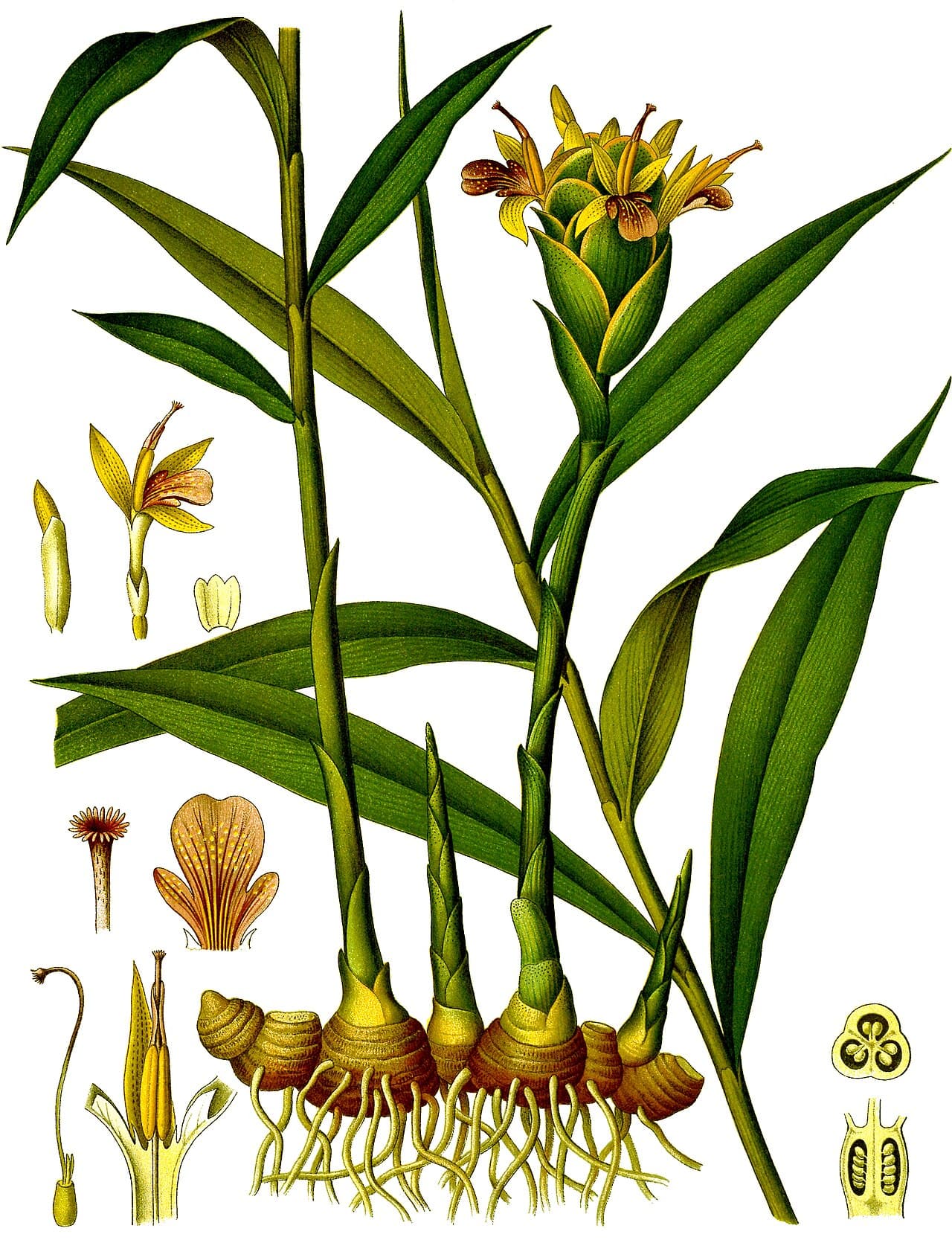
Zingiber officinale rhizome, fresh or dried
Ginger tea is good for nausea, period cramps and sluggish digestion, and that is not folklore: ginger is one of the few kitchen remedies backed by dozens of randomized trials. Pooled data from about 1,000 pregnant women found roughly 1 g of ginger a day eased morning sickness, a 576-patient trial found 0.5 to 1 g a day reduced chemotherapy nausea, and 750 to 2,000 mg a day cut period pain about as well as ibuprofen in several small trials.
Most of that research used capsules of dried ginger powder, not tea, so the honest question is how much of a trial dose a cup delivers. A strong cup simmered from a tablespoon of fresh ginger is in the right range, roughly half to one gram of dried-ginger equivalent, so two or three strong cups a day gets you to the doses that worked. Weak teabag ginger tea delivers far less.
Below is what ginger tea is good for ranked by the strength of the human evidence, then how to brew a cup that is strong enough to matter, how much is sensible, and who should go easy on it (people on blood thinners, anyone with reflux, and anyone about to have surgery).
What ginger tea is good for
- Nausea — about 1 g ginger a day eased pregnancy nausea in a meta-analysis of 12 trials; 0.5 to 1 g a day cut chemo nausea in a 576-patient trial
- Period cramps — 750 to 2,000 mg a day for the first 3 to 4 days of a period reduced pain about as much as NSAIDs in pooled trials
- Slow digestion and bloating — 1.2 g ginger roughly halved the time food took to leave the stomach in healthy volunteers
- Knee osteoarthritis — a meta-analysis of 5 trials found a small but real drop in pain over 3 to 12 weeks
- Blood sugar — 1 to 3 g a day for 8 to 12 weeks lowered fasting glucose and HbA1c modestly in people with type 2 diabetes
- Colds — soothing and warming, but no trial shows it shortens a cold
Ginger tea benefits, graded by the evidence
Strong = multiple human trials or a meta-analysis. Moderate = a few small trials. Preliminary = early, traditional or animal data.
Relieves nausea and vomiting
Strong evidenceThis is ginger's best-proven use. A 2014 meta-analysis of 12 randomized trials in 1,278 pregnant women found about 1 g of ginger a day for at least 4 days significantly reduced nausea compared with placebo (it did less for actual vomiting). In a 576-patient trial, 0.5 to 1 g of ginger a day for 6 days around chemotherapy cut acute nausea by about 40% versus placebo. A pooled analysis of 5 surgical trials found 1 g taken before an operation lowered the odds of post-operative nausea by about a third. Motion-sickness results are mixed.
Key evidenceViljoen 2014 meta-analysis (12 RCTs, pregnancy); Ryan 2012 RCT (576 chemotherapy patients)
Eases period cramps
Moderate evidenceA 2015 systematic review pooled 6 randomized trials and found 750 to 2,000 mg of ginger powder a day, taken for the first 3 to 4 days of menstruation, reduced period pain significantly more than placebo. Two of the trials compared ginger head-to-head with ibuprofen or mefenamic acid and found similar pain relief. The trials were small and short, so the tier is Moderate, but the effect was consistent across studies.
Key evidenceDaily 2015 systematic review and meta-analysis, Pain Medicine
Speeds a slow stomach and reduces bloating
Moderate evidenceIn a crossover trial in 24 healthy people, 1,200 mg of ginger shortened the time for half a meal to leave the stomach from 16 to 12 minutes and increased stomach contractions. A similar trial in 11 people with functional dyspepsia found ginger sped gastric emptying, though it did not change symptom scores in that short study. Faster emptying is the likely reason ginger helps with the heavy, bloated feeling after meals.
Key evidenceWu 2008, Eur J Gastroenterol Hepatol (gastric emptying in healthy volunteers)
Lowers blood sugar modestly in type 2 diabetes
Moderate evidenceA 2018 meta-analysis of 10 randomized trials in people with type 2 diabetes found 1 to 3 g of ginger a day for 8 to 13 weeks lowered fasting blood glucose and HbA1c significantly versus placebo, with HbA1c dropping on the order of half a percentage point in several trials. The trials were small and from a limited number of research groups, so treat this as promising rather than settled, and as a supplement to medication, never a replacement.
Key evidenceZhu 2018 meta-analysis, Evidence-Based Complementary and Alternative Medicine
Reduces osteoarthritis pain a little
Moderate evidenceA 2015 meta-analysis of 5 placebo-controlled trials in 593 people with osteoarthritis (mostly knee) found ginger extracts of roughly 500 to 1,000 mg a day for 3 to 12 weeks produced a small but statistically significant reduction in pain and disability. The effect was about a third the size of a typical NSAID response, and people taking ginger were more likely to stop because of stomach upset. Useful as an add-on; not a substitute for proper treatment.
Key evidenceBartels 2015 meta-analysis, Osteoarthritis and Cartilage
Improves cholesterol and triglycerides slightly
Moderate evidenceA 2018 meta-analysis of 12 trials found ginger supplementation (mostly 1 to 3 g a day for 1 to 3 months) lowered triglycerides by about 17 mg/dL and LDL cholesterol by about 4 mg/dL, with a small rise in HDL. These are modest changes compared with diet or medication, and the trials varied a lot in quality.
Key evidencePourmasoumi 2018 meta-analysis, Phytomedicine
Soothes colds, sore throats and congestion
Preliminary evidenceThere is no trial showing ginger tea shortens a cold. What is known: a hot drink itself relieves runny nose, sore throat, chills and cough for an hour or so in a small controlled study, and gingerols and shogaols have anti-inflammatory and antimicrobial activity in the lab. So ginger tea is a sensible comfort measure when you are sick, especially with honey and lemon, but the benefit is symptom relief, not a faster recovery.
May help with weight and appetite
Preliminary evidenceA 2019 meta-analysis of 14 trials found ginger supplementation produced small reductions in body weight (about 1.5 kg) and waist-to-hip ratio in overweight adults, with no change in BMI in most trials. A single small study found a hot ginger drink increased feelings of fullness after breakfast. Interesting, but small and not yet tested with tea specifically.
Is ginger tea good for you?
- Yes, ginger tea is good for you, and it is one of the best-evidenced herbal teas for nausea, period cramps and a slow stomach. One to three strong cups a day is a reasonable daily habit.
- Brew it strong. The doses that worked in trials (0.5 to 2 g dried ginger) need a tablespoon of fresh root simmered for 10 minutes, not a teabag dunked for 2.
- Go easy if you have reflux: ginger relaxes the lower esophageal sphincter in some people and can cause heartburn at higher doses.
- Limit it to a cup or two if you take warfarin, aspirin or clopidogrel, and stop ginger supplements 1 to 2 weeks before surgery; ginger has a mild blood-thinning effect.
- In pregnancy, up to about 1 g dried ginger a day (roughly 2 to 3 cups of tea) is widely considered safe for nausea; check with your midwife or doctor if you have a bleeding disorder or are near delivery.
How to brew ginger tea
1 tablespoon (about 6 g) fresh ginger, thinly sliced or grated, per 8 oz (240 mL) water; or 1 to 2 teaspoons dried ginger, or 1 strong teabag
212°F / 100°C, a rolling boil
Simmer fresh ginger 10 to 15 minutes covered; steep dried ginger or a bag 5 to 10 minutes
- Keep the lid on while simmering so the volatile gingerols do not escape with the steam.
- Grate rather than slice if you want it stronger; more surface area means more extraction.
- Honey and lemon make it kinder on a sore throat; add them after it comes off the heat.
How much per day
One to three strong cups a day, which is roughly 1 to 3 g of dried-ginger equivalent and matches the range used in trials. Going above about 4 g of ginger a day mainly adds heartburn and loose stools, not benefit.
Caffeine-free. Safe in the evening and for people cutting back on coffee.
Side effects, interactions and who should limit it
Side effects
- Heartburn and reflux, the most common complaint, especially on an empty stomach
- A warm or burning feeling in the mouth and throat from strong brews
- Gas, loose stools or mild diarrhea at high doses
- Mild antiplatelet effect; bruising or bleeding is possible at supplement-level doses
- Allergic skin rash in a small number of people
Interactions
- Anticoagulants and antiplatelets (warfarin, apixaban, aspirin, clopidogrel): ginger adds a mild antiplatelet effect; case reports of raised INR with warfarin. Keep intake steady and modest.
- Diabetes medicines (metformin, sulfonylureas, insulin): ginger can lower blood sugar further; watch for hypoglycemia if you drink several strong cups daily.
- Blood pressure drugs, especially calcium-channel blockers like nifedipine: ginger may add to their antiplatelet and blood-pressure-lowering effects.
- Surgery: stop ginger supplements and heavy tea use 1 to 2 weeks before an operation because of bleeding risk.
- Gallstones: ginger increases bile flow; check with your doctor if you have known stones.
Pregnancy and breastfeeding
Ginger is one of the few herbs with good safety data in pregnancy: trials of about 1 g a day (roughly 2 to 3 strong cups) for up to 3 weeks found no increase in miscarriage, malformations or low birth weight, and obstetric guidelines list it as a first-line option for morning sickness. Avoid large doses close to delivery or if you have a bleeding disorder. A cup or two a day is fine while breastfeeding.
Frequently asked questions
Is it OK to drink ginger tea every day?
Yes. One to three cups a day is a sensible daily amount for most adults, and trials have used the equivalent amount of ginger for up to 3 months without serious side effects. The main reasons to cut back are heartburn, loose stools, or taking a blood thinner.
Does ginger tea actually help with nausea?
Yes, and this is the claim with the best evidence. Around 1 g of ginger a day reduced nausea in pooled trials of pregnant women and in a large chemotherapy trial. For tea to work, brew it strong: a tablespoon of fresh ginger simmered for 10 minutes, sipped slowly over the morning.
Is ginger tea good for a cold?
It helps you feel better rather than get better faster. A hot drink relieves a sore throat, runny nose and chills for an hour or so, and ginger's warmth and anti-inflammatory compounds add to that. No trial shows it shortens a cold, so pair it with rest and fluids rather than expecting it to replace them.
What is the best time to drink ginger tea?
For nausea, first thing in the morning before you get up, sipped slowly. For digestion, 20 to 30 minutes after a heavy meal. For period cramps, start the day before or the morning your period begins and continue for 3 days. It is caffeine-free, so evening is fine, though people with reflux do better avoiding it right before bed.
Is fresh ginger tea better than teabags?
Usually, yes. Fresh root simmered for 10 minutes gives a much stronger, more gingerol-rich cup than a bag steeped for a few minutes. Dried ginger has more shogaols, which are also active, so dried is not worse, just make sure you use enough. Many commercial 'ginger' teabags are mostly other herbs with a little ginger flavor.
Does ginger tea thin your blood?
Mildly. Ginger reduces platelet stickiness, and there are case reports of raised INR in people on warfarin. One or two cups a day is unlikely to matter for most people, but if you take anticoagulants or antiplatelets, keep your intake consistent, tell your doctor, and avoid high-dose ginger supplements.
Can ginger tea lower blood sugar?
Modestly. In a meta-analysis of 10 trials, 1 to 3 g of ginger a day for 2 to 3 months lowered fasting glucose and HbA1c in people with type 2 diabetes. That is a worthwhile add-on but not a treatment on its own. If you take diabetes medication, monitor your glucose when you start drinking it regularly.
References
- Viljoen E, Visser J, Koen N, Musekiwa A. A systematic review and meta-analysis of the effect and safety of ginger in the treatment of pregnancy-associated nausea and vomiting. Nutrition Journal (2014)View source
- Ryan JL, Heckler CE, Roscoe JA, et al.. Ginger (Zingiber officinale) reduces acute chemotherapy-induced nausea: a URCC CCOP study of 576 patients. Supportive Care in Cancer (2012)
- Chaiyakunapruk N, Kitikannakorn N, Nathisuwan S, Leeprakobboon K, Leelasettagool C. The efficacy of ginger for the prevention of postoperative nausea and vomiting: a meta-analysis. American Journal of Obstetrics and Gynecology (2006)
- Daily JW, Zhang X, Kim DS, Park S. Efficacy of ginger for alleviating the symptoms of primary dysmenorrhea: a systematic review and meta-analysis of randomized clinical trials. Pain Medicine (2015)
- Bartels EM, Folmer VN, Bliddal H, et al.. Efficacy and safety of ginger in osteoarthritis patients: a meta-analysis of randomized placebo-controlled trials. Osteoarthritis and Cartilage (2015)
- Zhu J, Chen H, Song Z, Wang X, Sun Z. Effects of ginger (Zingiber officinale Roscoe) on type 2 diabetes mellitus and components of the metabolic syndrome: a systematic review and meta-analysis of randomized controlled trials. Evidence-Based Complementary and Alternative Medicine (2018)
- Wu KL, Rayner CK, Chuah SK, et al.. Effects of ginger on gastric emptying and motility in healthy humans. European Journal of Gastroenterology and Hepatology (2008)
- Hu ML, Rayner CK, Wu KL, et al.. Effect of ginger on gastric motility and symptoms of functional dyspepsia. World Journal of Gastroenterology (2011)
- Pourmasoumi M, Hadi A, Rafie N, Najafgholizadeh A, Mohammadi H, Rouhani MH. The effect of ginger supplementation on lipid profile: a systematic review and meta-analysis of clinical trials. Phytomedicine (2018)
- Sanu A, Eccles R. The effects of a hot drink on nasal airflow and symptoms of common cold and flu. Rhinology (2008)
- National Center for Complementary and Integrative Health. Ginger: Usefulness and Safety (2020)View source
Guides that rank ginger tea
Go deeper
Other teas
Is ginger tea right for you?
Ask AskMN. It knows these studies, checks interactions with the medications you tell it about, and it is free and unlimited, no account needed.
Ask about ginger teaThis page is educational and is not medical advice. Herbal teas can interact with prescription medicines. Talk with a clinician or pharmacist before relying on any of them, especially if you are pregnant, breastfeeding, have a chronic condition, or take medication.