
What Is Peppermint Tea Good For? Bloating, IBS and the Evidence
Mentha × piperita (peppermint) leaves, a hybrid of watermint and spearmint
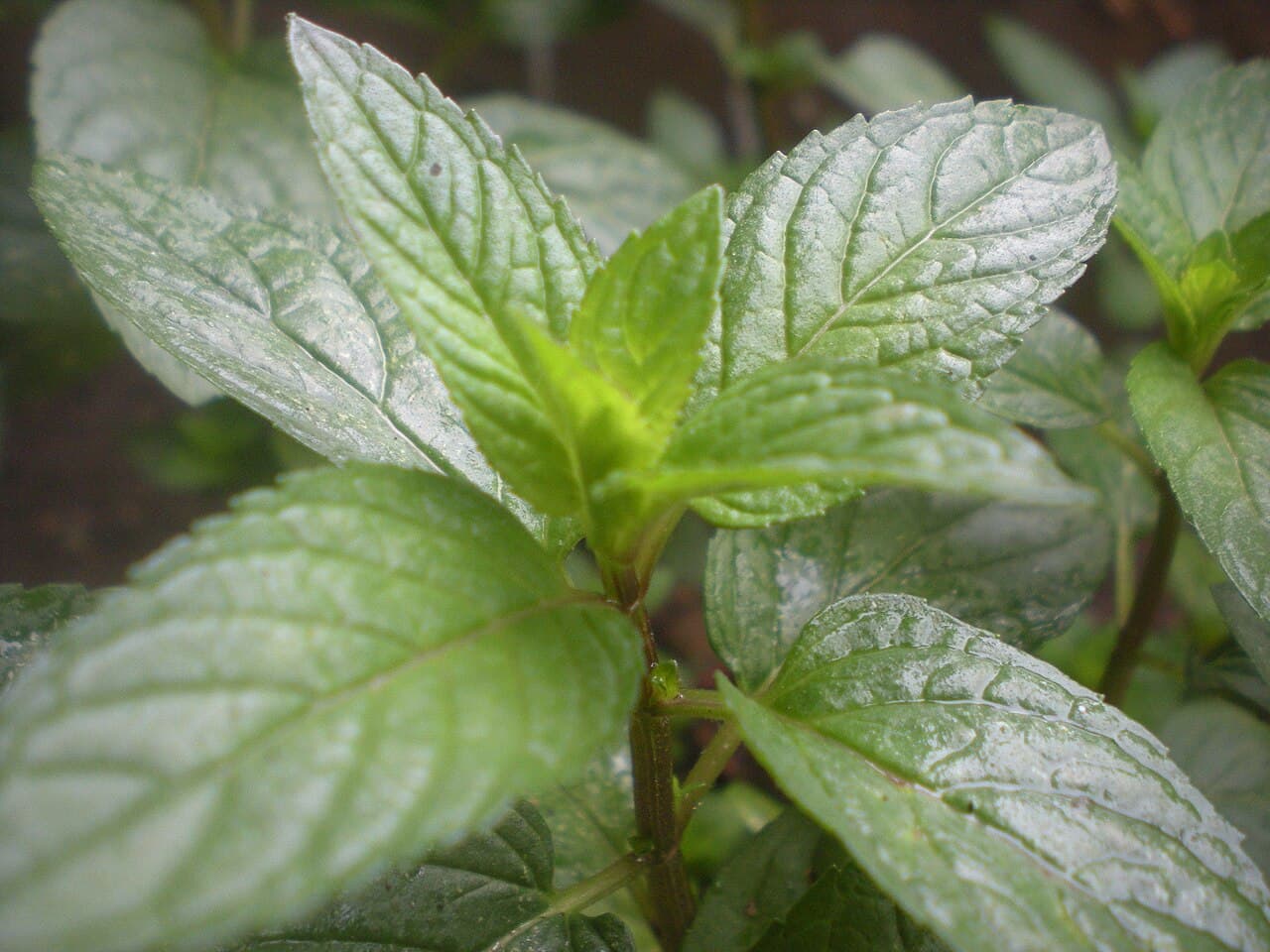
Peppermint tea is good for bloating, gas and gut cramps, for settling nausea, and for clearing a stuffy head when you have a cold. The gut evidence is the strongest, but with a catch: the big trials used enteric-coated peppermint oil capsules, which deliver far more menthol to the intestine than a cup of tea. A meta-analysis of 12 trials in 835 people with irritable bowel syndrome found peppermint oil more than doubled the odds of overall symptom relief. The tea works on the same muscle-relaxing mechanism, just more gently and mostly in the stomach rather than the lower gut.
Peppermint is a natural hybrid of watermint and spearmint, and its leaves are the most menthol-rich of the mints: around 40% of the essential oil is menthol, with menthone, menthyl acetate and 1,8-cineole behind it. The leaf also carries rosmarinic acid and flavonoids such as eriocitrin and luteolin. Menthol relaxes smooth muscle by blocking calcium channels, cools skin and airway nerves through the TRPM8 receptor, and is why peppermint tea feels like it opens your nose even though it does not actually shrink swollen tissue.
If you searched 'what is mint tea good for', the answer depends on which mint. Peppermint is the stronger digestive and decongestant; spearmint is milder and has its own evidence for hormones. This page covers peppermint, grades each claim, explains how to brew a cup that actually tastes of something, and flags the one group who should skip it: people with reflux, since menthol loosens the valve at the top of the stomach.
What peppermint tea is good for
- Bloating, gas and gut cramps — menthol relaxes gut muscle; peppermint oil capsules more than doubled IBS symptom relief across 12 trials
- Indigestion — peppermint plus caraway oil beat placebo for functional dyspepsia in several 4-week trials
- Nausea — inhaled peppermint eased post-operative and chemotherapy nausea in small studies
- Tension headache — 10% peppermint oil on the temples worked about as well as 1,000 mg of acetaminophen in one trial
- Stuffy nose and sore throat — menthol triggers a cooling sensation that makes breathing feel easier
- Alertness — peppermint aroma improved memory and alertness scores in small lab studies
Peppermint tea benefits, graded by the evidence
Strong = multiple human trials or a meta-analysis. Moderate = a few small trials. Preliminary = early, traditional or animal data.
Relieves IBS cramps, pain and bloating
Moderate evidenceThe strongest data are for enteric-coated peppermint oil: a 2019 meta-analysis of 12 randomized trials in 835 IBS patients found overall symptom improvement 2.4 times more likely and abdominal pain relief 1.8 times more likely than placebo, typically with 180 to 225 mg of oil two to three times a day for two to twelve weeks. The tea has not been tested the same way and delivers much less menthol, so grade it one tier lower. It still relaxes stomach and upper-gut muscle, which is why a cup after a heavy meal eases pressure and trapped gas within 20 to 30 minutes for many people.
Key evidenceAlammar et al., BMC Complementary and Alternative Medicine 2019: meta-analysis of 12 RCTs, 835 patients.
Settles indigestion and a heavy stomach
Moderate evidenceA fixed combination of peppermint oil (90 mg) and caraway oil (50 mg) taken two to three times a day improved pain and fullness in functional dyspepsia in several four-week trials, including a 2017 trial of 114 patients where 67% improved versus 41% on placebo in pressure and fullness. Menthol's calcium-channel blocking effect on gut smooth muscle was shown directly in human intestinal tissue in 1991. For the tea, the human evidence is tradition and mechanism rather than trials.
Key evidenceRich et al., Neurogastroenterology and Motility 2017 (peppermint and caraway oil, 114 patients); Hills and Aaronson, Gastroenterology 1991 (mechanism).
Eases nausea
Preliminary evidenceA 2018 Cochrane review of aromatherapy for post-operative nausea found low-quality evidence that inhaled peppermint reduced the need for rescue anti-sickness drugs. A trial in 50 chemotherapy patients found peppermint or spearmint oil drops taken with meals reduced nausea intensity and the need for extra medication. A cup of tea sips the same vapour over your face, which may be why it helps, but nobody has tested the tea itself.
Key evidenceHines et al., Cochrane Database of Systematic Reviews 2018; Tayarani-Najaran et al., ecancermedicalscience 2013.
Relieves tension headaches (oil on the skin)
Preliminary evidenceIn a German crossover trial of 41 patients with tension-type headache, 10% peppermint oil in ethanol spread across the forehead and temples reduced pain as effectively as 1,000 mg of acetaminophen within 15 minutes. This is a topical effect through cooling TRPM8 nerves, not something a cup of tea reproduces, though the aroma and the break from a screen may help a little.
Key evidenceGöbel et al., Nervenarzt 1996 (41 patients, double-blind crossover).
Makes a blocked nose feel clearer
Preliminary evidenceMenthol does not reduce swelling in the nasal lining, but it activates cold receptors in the airway that create a convincing sensation of easier breathing, which is why it is in so many cold remedies. Breathing the steam from a hot cup of peppermint tea gives the same effect for free, and the warm fluid helps with a sore throat and thin mucus. There are no trials of the tea for colds.
Sharpens alertness and memory
Preliminary evidenceIn a Northumbria University study of 144 volunteers, peppermint aroma improved memory and alertness scores compared with no aroma, while ylang-ylang did the opposite. A later study found 200 mL of peppermint tea improved mood and some cognitive measures versus water in 24 people. These are small, short-term lab studies, so the honest reading is that peppermint is pleasant and mildly invigorating, not a nootropic.
Key evidenceMoss et al., International Journal of Neuroscience 2008.
Caffeine-free source of antioxidants
Preliminary evidenceA cup of peppermint tea carries rosmarinic acid, eriocitrin and luteolin, which have antioxidant, anti-allergic and antimicrobial activity in laboratory and animal studies. A 2006 review of peppermint tea found no human trials showing a disease outcome from those compounds, and that remains the case. The practical value is as a flavourful, zero-calorie, caffeine-free drink you can have at any time of day.
Key evidenceMcKay and Blumberg, Phytotherapy Research 2006 (review of peppermint tea bioactivity).
Is peppermint tea good for you?
- Yes, for most people: peppermint tea is caffeine-free, calorie-free, safe in daily amounts and a sensible first thing to reach for after a heavy meal or when you feel bloated.
- Do not expect tea to do what the IBS trials did; those used enteric-coated oil capsules. For IBS pain, ask your doctor about peppermint oil capsules and use the tea for day-to-day comfort.
- Avoid it if you have acid reflux, GERD or a hiatal hernia: menthol relaxes the lower oesophageal sphincter and can bring on heartburn.
- Never give peppermint tea or products to babies and toddlers; menthol near a small child's face can cause breathing problems, and the tea offers them nothing.
- It blocks a large share of non-heme iron absorption (around 84% in one study), so people with iron deficiency should drink it between meals, not with them.
How to brew peppermint tea
1 tablespoon (1.5 to 2 g) dried leaf, or 1 bag, or a small handful of fresh leaves, per 8 oz (240 mL)
Boiling, 212°F / 100°C
5 to 7 minutes, covered
- Keep a lid on the cup: the menthol you want is volatile and a good share of it escapes in the steam of an open mug.
- Fresh leaves need a quick bruise with the back of a spoon before steeping; use about twice the volume of dried.
- For a stuffy head, lean over the cup and breathe the steam for a minute before you drink.
How much per day
Two to four cups a day is reasonable for adults and matches how it is used in Europe for digestion. There is no need for more, and people with reflux should keep to a cup or skip it.
Caffeine-free. Many people find the menthol mildly refreshing rather than stimulating.
Side effects, interactions and who should limit it
Side effects
- Heartburn and reflux, because menthol relaxes the valve between the stomach and the oesophagus.
- Allergic reactions, including rash, mouth irritation or wheeze, in people sensitive to menthol or the mint family.
- Possible drop in milk supply with heavy daily intake while breastfeeding (anecdotal, but widely reported).
- Breathing difficulty or laryngospasm in infants and small children exposed to menthol; keep peppermint products away from babies.
- Reduced absorption of iron from food eaten at the same time.
Interactions
- Cyclosporine and other drugs cleared by CYP3A4 (felodipine, simvastatin, some HIV and transplant drugs): peppermint oil inhibits the enzyme in animal and lab studies and can raise drug levels; the tea is weaker but worth mentioning to a pharmacist.
- Antacids, H2 blockers and proton-pump inhibitors: these can dissolve enteric-coated peppermint oil capsules early and cause heartburn; not relevant to the tea.
- Iron supplements and iron-rich meals: separate by at least an hour.
- Drugs for reflux or ulcers: peppermint works against them by relaxing the oesophageal sphincter.
- Gallstone disease: peppermint stimulates bile flow, so people with blocked bile ducts or active gallstone symptoms should avoid regular use.
Pregnancy and breastfeeding
One or two cups of peppermint tea a day is generally considered fine in pregnancy and is a common choice for morning sickness, although it has not been formally studied and heartburn, already common in pregnancy, can get worse. While breastfeeding, heavy daily use is best avoided because of reports of lower milk supply; an occasional cup is unlikely to matter.
Frequently asked questions
Does peppermint tea help with bloating?
Yes, for many people. Menthol relaxes the muscle of the stomach and gut, which releases trapped gas and eases the tight, full feeling after a meal. The strongest trial evidence is for peppermint oil capsules in IBS, but a hot cup of properly steeped tea after eating works on the same mechanism and is the better choice for everyday bloating.
What is mint tea good for, and is spearmint the same?
Both mints are good for digestion, but they are not interchangeable. Peppermint has far more menthol, so it is the better decongestant and the stronger gut relaxant, and the one to avoid with reflux. Spearmint is gentler, has little menthol, and has its own evidence for lowering androgens in women with PCOS and hirsutism.
Is it OK to drink peppermint tea every day?
For most adults, yes; two to four cups a day is normal in many countries. The exceptions are people with reflux or a hiatal hernia, anyone with active gallstone symptoms, and people on cyclosporine or similar narrow-margin drugs, who should check with a pharmacist. Keep it away from meals if you are iron deficient.
Does peppermint tea help you lose weight?
Not directly. No trial has shown weight loss from peppermint tea. It can help indirectly by replacing sugary or creamy drinks with something flavourful and calorie-free, and by easing the bloat that makes people feel heavier than they are.
Is peppermint tea bad for acid reflux?
It can be. Menthol relaxes the lower oesophageal sphincter, the valve that keeps acid in the stomach, so peppermint is one of the foods gastroenterologists tell reflux patients to limit. If mint reliably sets off heartburn for you, swap it for ginger or chamomile.
Is peppermint tea safe for kids?
A weak cup is fine for school-age children with a stomach ache. Do not give it to babies or toddlers: menthol can trigger breathing problems in small children, and peppermint oil must never be applied near an infant's face.
References
- Alammar N, Wang L, Saberi B, et al.. The impact of peppermint oil on the irritable bowel syndrome: a meta-analysis of the pooled clinical data. BMC Complementary and Alternative Medicine (2019)View source
- Khanna R, MacDonald JK, Levesque BG. Peppermint oil for the treatment of irritable bowel syndrome: a systematic review and meta-analysis. Journal of Clinical Gastroenterology (2014)
- McKay DL, Blumberg JB. A review of the bioactivity and potential health benefits of peppermint tea (Mentha piperita L.). Phytotherapy Research (2006)View source
- Hills JM, Aaronson PI. The mechanism of action of peppermint oil on gastrointestinal smooth muscle: an analysis using patch clamp electrophysiology and isolated tissue pharmacology in rabbit and guinea pig. Gastroenterology (1991)
- Rich G, Shah A, Koloski N, et al.. A randomized placebo-controlled trial on the effects of Menthacarin, a proprietary peppermint- and caraway-oil-preparation, on symptoms and quality of life in patients with functional dyspepsia. Neurogastroenterology and Motility (2017)
- Hines S, Steels E, Chang A, Gibbons K. Aromatherapy for treatment of postoperative nausea and vomiting. Cochrane Database of Systematic Reviews (2018)
- Göbel H, Fresenius J, Heinze A, Dworschak M, Soyka D. Effectiveness of peppermint oil in the treatment of tension-type headache: a double-blind, placebo-controlled, crossover study. Nervenarzt (1996)
- Moss M, Hewitt S, Moss L, Wesnes K. Modulation of cognitive performance and mood by aromas of peppermint and ylang-ylang. International Journal of Neuroscience (2008)
- Hurrell RF, Reddy M, Cook JD. Inhibition of non-haem iron absorption in man by polyphenolic-containing beverages. British Journal of Nutrition (1999)
- Peppermint Oil: Usefulness and Safety. National Center for Complementary and Integrative HealthView source
Guides that rank peppermint tea
Go deeper
Other teas
Is peppermint tea right for you?
Ask AskMN. It knows these studies, checks interactions with the medications you tell it about, and it is free and unlimited, no account needed.
Ask about peppermint teaThis page is educational and is not medical advice. Herbal teas can interact with prescription medicines. Talk with a clinician or pharmacist before relying on any of them, especially if you are pregnant, breastfeeding, have a chronic condition, or take medication.