
What Is Lemon Balm Tea Good For? Anxiety, Sleep and the Evidence
Melissa officinalis (lemon balm, Melissa) leaves
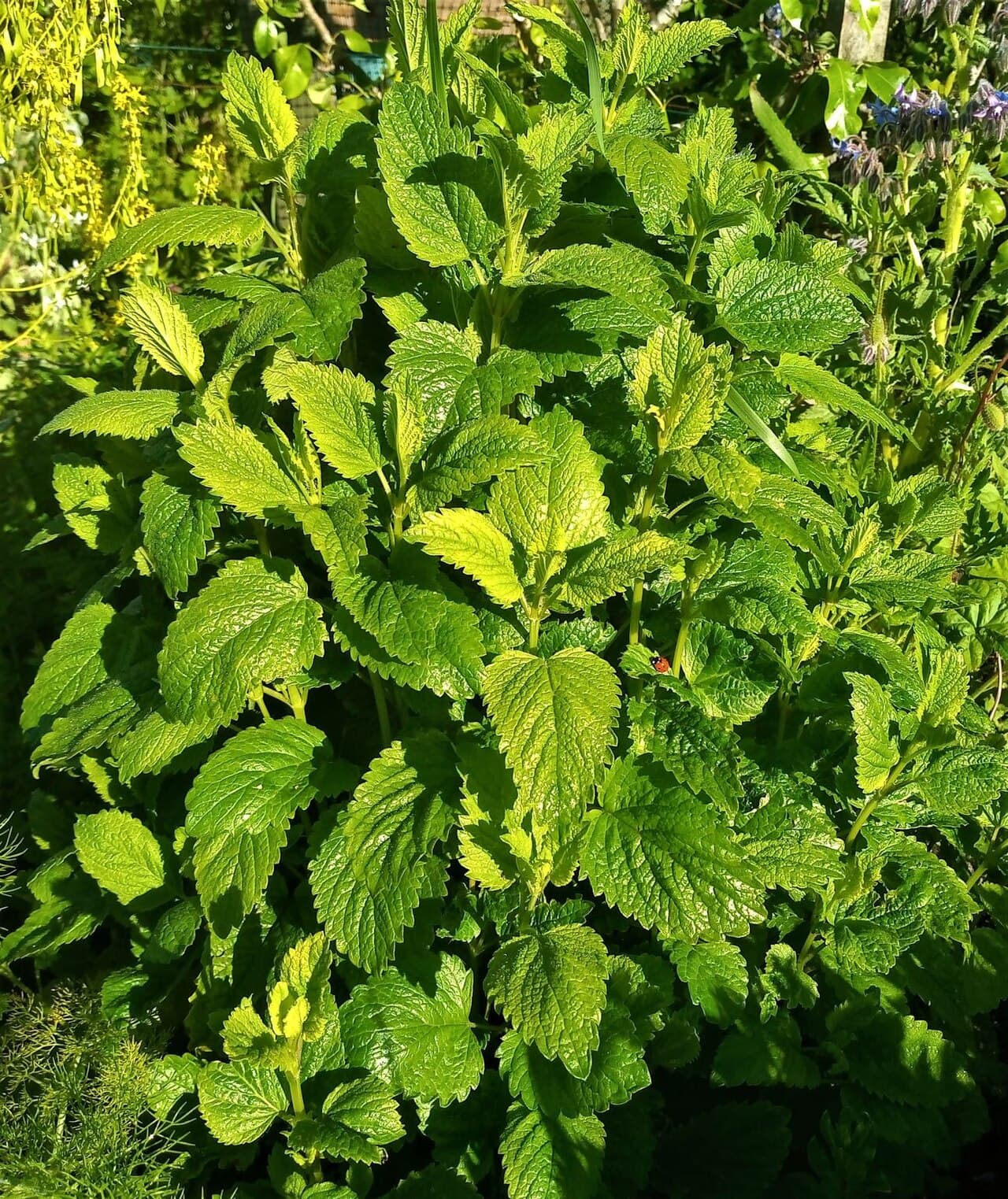
Lemon balm tea is good for taking the edge off anxiety and stress, for falling asleep more easily, and, less expected, for calming a racing heartbeat. The anxiety and sleep evidence is the strongest: a 2021 meta-analysis of ten randomized trials found lemon balm significantly reduced anxiety and depression scores, and a 15-day study in anxious volunteers with sleep problems cut insomnia symptoms by 42%. It also has a long history as a digestive and a cold-sore remedy, and a few trials for memory and agitation in dementia.
Lemon balm is a lemon-scented member of the mint family. The leaf carries rosmarinic acid, which inhibits the enzyme that breaks down GABA, the brain's main calming neurotransmitter, together with citral and citronellal in the oil and triterpenes such as ursolic acid. That GABA mechanism is why it feels like a milder cousin of valerian and why it pairs with valerian in several trials, and it is also why people on sedatives should go gently.
Below you will find each claim graded by human evidence, the dose the trials actually used, how to brew a cup that captures the volatile oils, and the one interaction most people miss: lemon balm may interfere with thyroid hormone signalling, so people on levothyroxine should ask before making it a daily habit.
What lemon balm tea is good for
- Anxiety and stress — 600 mg of extract eased lab-induced stress within an hour; a 10-trial meta-analysis found lower anxiety scores
- Sleep — 600 mg a day for 15 days reduced insomnia symptoms by 42% in anxious volunteers; combined with valerian it helped 81% of restless children
- Palpitations — 500 mg twice a day for 14 days cut benign palpitation episodes by about a third more than placebo
- Focus and memory — single doses improved calm alertness and memory in healthy adults; a 4-month trial improved cognition in mild Alzheimer's
- PMS and period pain — 1,200 mg a day reduced PMS symptom scores in two small trials
- Digestion — a traditional carminative; part of a combination that relieved infant colic and functional dyspepsia
Lemon balm tea benefits, graded by the evidence
Strong = multiple human trials or a meta-analysis. Moderate = a few small trials. Preliminary = early, traditional or animal data.
Reduces anxiety and stress
Moderate evidenceIn a Northumbria University crossover study, 18 healthy adults given 600 mg of lemon balm extract reported significantly more calmness and less negative mood during a laboratory stress task an hour later. Two small studies of lemon balm in a yoghurt or drink (0.3 g) found better mood and lower anxiety during stress testing. In 20 people with mild anxiety and sleep disturbance, 600 mg a day of a standardized extract for 15 days reduced anxiety scores by 18%. A 2021 meta-analysis of 10 randomized trials concluded lemon balm significantly reduces acute anxiety and depressive symptoms, while noting the trials were short and small.
Key evidenceKennedy et al., Psychosomatic Medicine 2004; Ghazizadeh et al., Phytotherapy Research 2021 (meta-analysis of 10 RCTs).
Helps you fall asleep
Moderate evidenceIn the 15-day extract study, insomnia scores fell by 42% and 85% of volunteers improved. In 80 people with stable angina, 3 g a day of lemon balm for eight weeks improved sleep disturbance alongside anxiety and depression scores. Combined with valerian, lemon balm improved restlessness and sleep in 81% of 918 children in a German observational study and improved sleep in menopausal women in a randomized trial. The tea delivers a smaller dose than the capsules, so expect help settling rather than a sleeping-pill effect.
Key evidenceCases et al., Mediterranean Journal of Nutrition and Metabolism 2011; Haybar et al., Clinical Nutrition ESPEN 2018 (8-week RCT, 80 patients).
Calms benign heart palpitations
Preliminary evidenceIn a Tehran double-blind trial, 55 people with palpitations that cardiology work-up had found to be benign took 500 mg of lemon balm extract or placebo twice a day for 14 days. Palpitation episodes fell by about 37% in the lemon balm group versus 4% on placebo, with lower anxiety scores and no side effects beyond placebo. One trial, and only for palpitations that have already been checked by a doctor.
Key evidenceAlijaniha et al., Journal of Ethnopharmacology 2015 (14-day RCT, 55 patients).
Supports calm focus and memory
Preliminary evidenceSingle 600 to 1,600 mg doses of lemon balm improved memory performance and increased calmness in healthy young adults in two Northumbria studies. In 42 patients with mild to moderate Alzheimer's disease, a lemon balm extract for four months improved cognitive scores and reduced agitation compared with placebo. These are small studies of extracts; whether a cup of tea does the same for everyday focus has not been tested.
Key evidenceAkhondzadeh et al., Journal of Neurology, Neurosurgery and Psychiatry 2003 (4-month RCT, 42 patients).
Eases PMS and period pain
Preliminary evidenceIn two Iranian trials of high-school students, 1,200 mg a day of lemon balm capsules taken through the luteal phase for three cycles reduced PMS symptom intensity significantly more than placebo, and a separate trial found lower period-pain scores. The samples were small and the trials short, but the dose is modest and the mechanism, muscle relaxation plus the calming effect, is plausible.
Settles digestion
Preliminary evidenceLemon balm is one of nine herbs in a liquid combination that relieved functional dyspepsia and IBS symptoms in several European trials, and part of the chamomile-fennel-lemon balm mixture that reduced crying time in colicky infants. Its carminative and antispasmodic actions are supported by animal studies. There is no trial of lemon balm tea alone for digestion, so this rests on tradition and combination products.
Is lemon balm tea good for you?
- Yes for most adults: lemon balm is caffeine-free, well tolerated in trials up to 3 g a day for eight weeks, and one of the better-supported herbs for mild anxiety and restlessness.
- Expect gentle, same-day calming and easier sleep onset; it is a support for everyday stress, not a treatment for an anxiety disorder or chronic insomnia.
- Be careful with sedatives, sleeping tablets and alcohol, which it can amplify, and do not drive after a strong cup until you know how it affects you.
- Ask your doctor before daily use if you have a thyroid condition or take levothyroxine: lemon balm interferes with TSH signalling in the laboratory and could in theory blunt thyroid treatment.
- Skip concentrated extracts in pregnancy and keep tea occasional; it has not been tested in pregnant or breastfeeding women.
How to brew lemon balm tea
1 tablespoon (1.5 to 2 g) dried leaf, or a small handful (5 to 6 g) of fresh leaves, per 8 oz (240 mL)
Hot but not boiling, 195 to 205°F / 90 to 96°C
5 to 10 minutes, covered
- Keep a lid on it: the lemony volatile oils are what make the cup calming and they escape fast in steam.
- Fresh leaves are much more fragrant than dried; tear them and use three times the volume of dried.
- For sleep, drink it 30 to 60 minutes before bed; for stress, a cup in the late afternoon works well.
How much per day
One to three cups a day is sensible and roughly matches the 1.5 to 4.5 g of dried leaf used in traditional dosing. The clinical trials used 300 to 1,600 mg of extract or up to 3 g of leaf powder daily; more than three or four cups adds drowsiness rather than benefit.
Caffeine-free and mildly calming; a good afternoon or evening cup.
Side effects, interactions and who should limit it
Side effects
- Drowsiness or feeling slowed, especially with larger amounts or alongside sedatives.
- Mild nausea, dizziness or headache in a small share of trial participants.
- Increased appetite, reported occasionally in trials.
- Wheezing or skin reactions in people sensitive to the mint family (rare).
- A theoretical effect on thyroid function with heavy, long-term use.
Interactions
- Sedatives, benzodiazepines, barbiturates, sleep medicines and alcohol: additive drowsiness and slower reaction time.
- Thyroid hormone (levothyroxine) and thyroid disease: lemon balm blocks TSH binding in laboratory studies; check with your doctor before daily use.
- SSRIs and other antidepressants: no clear interaction, but combining several calming agents can cause excess sedation; tell your prescriber.
- Glaucoma: one report suggests lemon balm may raise pressure in the eye; ask an eye specialist if you have glaucoma.
- Iron supplements: like most polyphenol-rich herbal teas it may reduce iron absorption if taken together; separate by an hour.
Pregnancy and breastfeeding
There are no safety studies of lemon balm in pregnancy or breastfeeding. An occasional cup of tea is unlikely to cause harm and is commonly used, but concentrated extracts and daily high intake are best avoided until more is known. Lemon balm's possible effect on thyroid signalling is another reason for caution in pregnancy, when thyroid hormone matters for the baby.
Frequently asked questions
Does lemon balm tea help with anxiety?
Yes, modestly. In trials a single 600 mg dose of extract reduced stress and improved calmness within an hour, 15 days of daily use lowered anxiety scores by 18%, and a 2021 meta-analysis of ten trials confirmed a significant effect. A cup of tea delivers a smaller dose than the capsules, so it suits everyday nervousness rather than a diagnosed anxiety disorder.
Does lemon balm tea make you sleepy?
It is calming rather than sedating for most people, which is why it is useful in the afternoon as well as at bedtime. Larger amounts, or combining it with valerian or sleep medicines, can make you drowsy. Drink it 30 to 60 minutes before bed if sleep is the goal.
How long does lemon balm take to work?
The calming effect appears within about an hour of a dose in the lab studies. Sleep and anxiety scores improved over one to two weeks of daily use in the longer trials, so give it two weeks of a nightly cup before deciding whether it helps.
Is lemon balm tea good for your heart?
It is not a heart treatment, but in one double-blind trial it reduced benign palpitations, the kind linked to stress and anxiety, by about a third over two weeks. Palpitations should always be checked by a doctor first; lemon balm is for the ones that turn out to be harmless.
Can I drink lemon balm tea every day?
For most adults, yes; trials ran daily use for up to eight weeks at 3 g a day without safety problems. People on thyroid medication or sedatives should check with their doctor, and it is wise to keep tea occasional rather than daily in pregnancy.
Does lemon balm help cold sores?
As a cream, yes: a lemon balm extract applied five times a day shortened healing and reduced spread in a 66-patient randomized trial, and it blocks the herpes virus in the lab. Drinking the tea has not been shown to help cold sores; the benefit is topical.
References
- Kennedy DO, Little W, Scholey AB. Attenuation of laboratory-induced stress in humans after acute administration of Melissa officinalis (lemon balm). Psychosomatic Medicine (2004)View source
- Ghazizadeh J, Sadigh-Eteghad S, Marx W, et al.. The effects of lemon balm (Melissa officinalis L.) on depression and anxiety in clinical trials: a systematic review and meta-analysis. Phytotherapy Research (2021)
- Cases J, Ibarra A, Feuillère N, Roller M, Sukkar SG. Pilot trial of Melissa officinalis L. leaf extract in the treatment of volunteers suffering from mild-to-moderate anxiety disorders and sleep disturbances. Mediterranean Journal of Nutrition and Metabolism (2011)
- Haybar H, Javid AZ, Haghighizadeh MH, Valizadeh E, Mohaghegh SM, Mohammadzadeh M. The effects of Melissa officinalis supplementation on depression, anxiety, stress, and sleep disorder in patients with chronic stable angina. Clinical Nutrition ESPEN (2018)
- Alijaniha F, Naseri M, Afsharypuor S, et al.. Heart palpitation relief with Melissa officinalis leaf extract: double blind, randomized, placebo controlled trial of efficacy and safety. Journal of Ethnopharmacology (2015)
- Akhondzadeh S, Noroozian M, Mohammadi M, Ohadinia S, Jamshidi AH, Khani M. Melissa officinalis extract in the treatment of patients with mild to moderate Alzheimer's disease: a double blind, randomised, placebo controlled trial. Journal of Neurology, Neurosurgery and Psychiatry (2003)View source
- Scholey A, Gibbs A, Neale C, et al.. Anti-stress effects of lemon balm-containing foods. Nutrients (2014)
- Kennedy DO, Scholey AB, Tildesley NT, Perry EK, Wesnes KA. Modulation of mood and cognitive performance following acute administration of Melissa officinalis (lemon balm). Pharmacology, Biochemistry and Behavior (2002)
- Shakeri A, Sahebkar A, Javadi B. Melissa officinalis L. - A review of its traditional uses, phytochemistry and pharmacology. Journal of Ethnopharmacology (2016)View source
- Auf'mkolk M, Ingbar JC, Kubota K, Amir SM, Ingbar SH. Extracts and auto-oxidized constituents of certain plants inhibit the receptor-binding and the biological activity of Graves' immunoglobulins. Endocrinology (1985)
Guides that rank lemon balm tea
Go deeper
Other teas
Is lemon balm tea right for you?
Ask AskMN. It knows these studies, checks interactions with the medications you tell it about, and it is free and unlimited, no account needed.
Ask about lemon balm teaThis page is educational and is not medical advice. Herbal teas can interact with prescription medicines. Talk with a clinician or pharmacist before relying on any of them, especially if you are pregnant, breastfeeding, have a chronic condition, or take medication.