
What is lemongrass tea good for?
Cymbopogon citratus leaves and stalks, fresh or dried
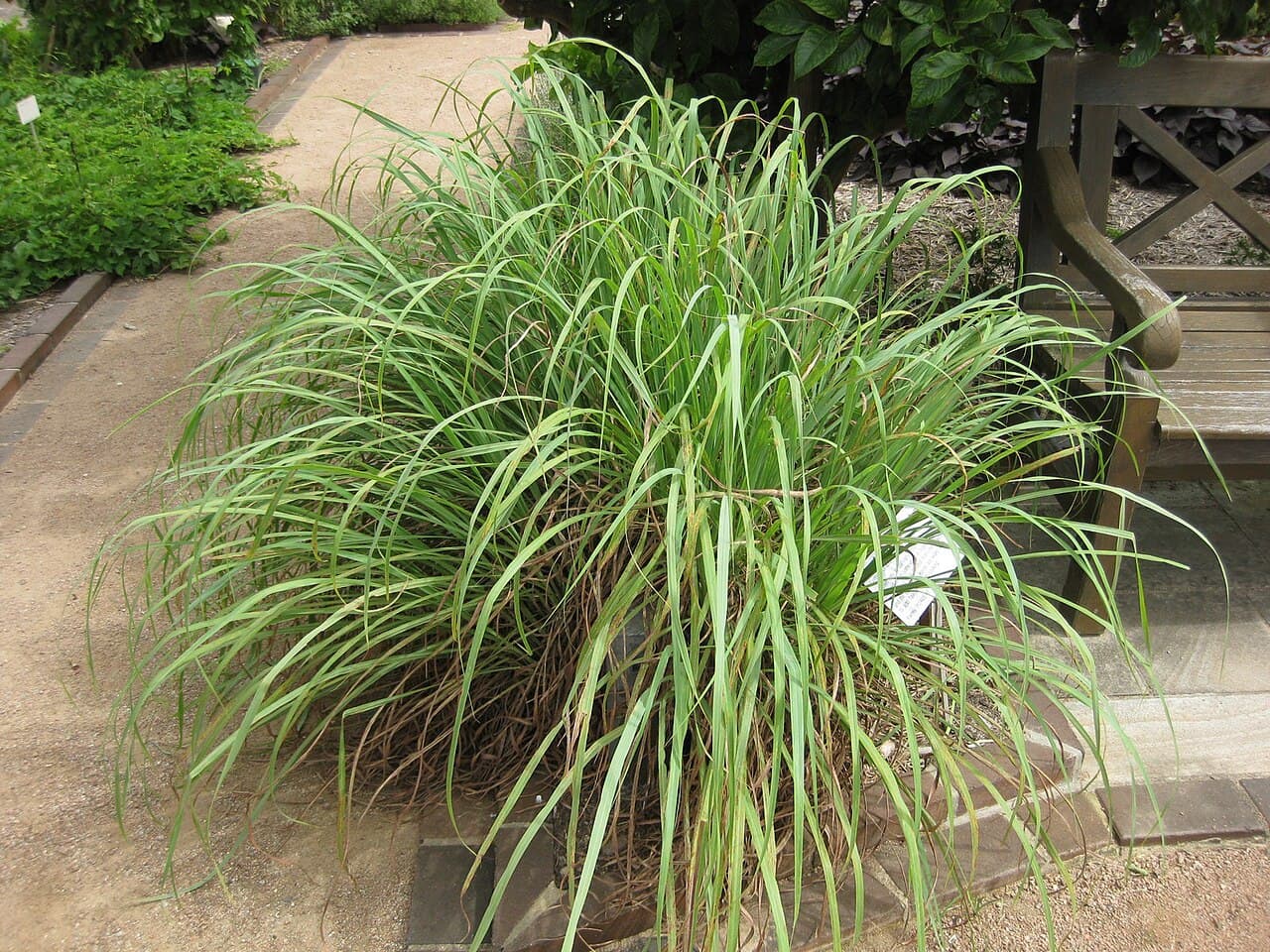
Lemongrass tea is good for settling the stomach after meals, as a caffeine-free citrusy drink that supports hydration, and for its calming, lightly antimicrobial oils; it also has unusual and honest human data showing what it does not do. In a placebo-controlled study of healthy volunteers in Brazil, two weeks of daily lemongrass tea was safe but produced no sedative or anxiety-reducing effect, despite its folk reputation as a calming nightcap.
The most interesting human trial is small and specific. In 90 people with HIV and oral thrush in South Africa, a lemongrass infusion cleared the infection in more patients than gentian violet, the standard local treatment. Beyond that, the evidence is mostly animal and laboratory: citral and the leaf polyphenols are anti-inflammatory and antioxidant in cells, lemongrass oil lowered cholesterol in a handful of people in a 1989 pilot, and a lemongrass oil mouthwash matched chlorhexidine for gum inflammation.
So is lemongrass tea good for you? Yes, as a safe, flavorful, caffeine-free tea with a plausible digestive benefit and a very low risk of side effects; no, if you are expecting it to lower blood pressure, melt fat or put you to sleep. Below is the evidence sorted by how strong it is, how to brew it from fresh or dried stalks, and who should drink it in moderation.
What lemongrass tea is good for
- Oral thrush — a lemongrass infusion outperformed gentian violet in 90 HIV patients with oral candidiasis over 11 days
- Digestion — traditional for cramps, bloating and nausea; relaxes gut muscle and protects the stomach lining in animal studies
- Stress and sleep — folk use, but a placebo-controlled human trial of daily tea for 2 weeks found no sedative or anxiolytic effect
- Cholesterol — 140 mg lemongrass oil daily for 3 months lowered cholesterol in a subset of 22 people; no tea trial
- Gum health — 0.25% lemongrass oil mouthwash matched chlorhexidine for plaque and gingivitis in 60 adults
- Safety — 2 weeks of daily tea produced no changes in liver, kidney or blood tests in healthy volunteers
Lemongrass tea benefits, graded by the evidence
Strong = multiple human trials or a meta-analysis. Moderate = a few small trials. Preliminary = early, traditional or animal data.
Helps clear oral thrush
Moderate evidenceNinety adults with HIV and oral candidiasis were assigned to lemongrass infusion, lemon juice or gentian violet 0.5%. After 11 days, oral thrush had cleared or improved in a larger share of the lemongrass group than the gentian violet group, and the infusion was well tolerated. Citral, the main component of lemongrass oil, is strongly antifungal against Candida species in culture, which gives the result a mechanism. It remains a single small trial in a specific population.
Key evidenceWright et al., Phytomedicine 2009: 90-patient randomized trial in HIV-related oral thrush
Safe for daily drinking, with no sedative effect
Moderate evidenceIn a double-blind study, healthy volunteers drank lemongrass tea daily for two weeks or a placebo infusion. Liver enzymes, kidney function and blood counts did not change, confirming the tea's safety at normal intakes. The same study found no hypnotic or anxiolytic effect on sleep latency, sleep quality or anxiety tests, so the folk reputation of lemongrass as a calming tea was not borne out. Companion animal studies by the same group found sedation only at extremely high doses.
Key evidenceLeite et al., J Ethnopharmacol 1986: placebo-controlled human tea trial, 2 weeks
Settles the stomach and eases cramps
Preliminary evidenceLemongrass has been used across Southeast Asia, Africa and Latin America for indigestion, stomach cramps and nausea. In rats, lemongrass extract reduced gastric lesions caused by alcohol and aspirin, and citral relaxes intestinal smooth muscle in tissue studies, which would ease cramping. There are no human trials for digestion, so this is tradition backed by mechanism. A cup after a heavy meal is a reasonable thing to try, and the warm liquid itself helps.
Reduces inflammation
Preliminary evidenceA lemongrass leaf infusion, prepared the way people drink it, blocked inflammatory NF-kB signaling in human dendritic cells and reduced production of inflammatory cytokines, with the polyphenol chlorogenic acid identified as a key contributor. Citral reduces inflammatory markers in animal models of arthritis and gut inflammation. None of this has been confirmed in people drinking the tea, so treat it as a promising lead rather than a reason to drink it for joint pain.
Key evidenceFrancisco et al., J Ethnopharmacol 2013: anti-inflammatory activity of lemongrass infusion in human cells
Supports gum and oral health
Preliminary evidenceIn a 60-person trial, a 0.25% lemongrass oil mouthwash used for 21 days reduced plaque and gingivitis scores to a similar degree as 0.2% chlorhexidine, with less staining. Lemongrass oil is also antibacterial against Streptococcus mutans in culture. The study used a formulated oil rinse rather than tea, so the carryover is that swishing cooled lemongrass tea is harmless and may help, but it is not a substitute for brushing and flossing.
Key evidenceDany et al., J Clin Diagn Res 2015: 0.25% lemongrass mouthwash vs chlorhexidine, 60 adults
May lower cholesterol
Preliminary evidenceIn a 1989 pilot, 22 adults with high cholesterol took 140 mg of lemongrass oil in capsules daily for three months. Total cholesterol fell meaningfully in about a third of participants, averaging a drop from 310 to 294 mg/dL across the group, and rebounded when they stopped. Rat studies show similar lipid-lowering with lemongrass extracts. The dose was an oil capsule, not tea, and the study had no placebo group, so the effect of a daily cup is unknown.
Key evidenceElson et al., Lipids 1989: 140 mg lemongrass oil daily, 22 people, 3 months
Reduces anxiety through its aroma
Preliminary evidenceIn 40 healthy volunteers, inhaling lemongrass essential oil for a few minutes before an anxiety-provoking test reduced anxiety and tension compared with a control odor, and mouse studies show a GABA-mediated calming effect of the oil. Drinking the tea did not reduce anxiety in the one human trial, so any benefit probably comes from the aroma while sipping rather than from what is swallowed.
Is lemongrass tea good for you?
- Yes, lemongrass tea is a safe, caffeine-free, flavorful drink: two weeks of daily use caused no changes in liver, kidney or blood tests in a controlled human study.
- Its reliable benefits are modest: a pleasant digestive after meals, hydration without caffeine or sugar, and lightly antifungal and antibacterial oils that may help the mouth.
- Do not count on it for sleep or anxiety; the one placebo-controlled trial of the tea found no sedative effect, though the aroma may calm you a little.
- People on diuretics or blood pressure drugs should start with one cup, since lemongrass has mild diuretic and blood-pressure-lowering effects in animals; the same goes for anyone with low blood pressure or kidney disease.
- Keep it to culinary amounts in pregnancy, as high-dose citral and myrcene harmed fetal development in rats.
How to brew lemongrass tea
1 tablespoon (3 to 4 g) dried cut lemongrass, or one 4-inch fresh stalk bruised and sliced, per 8 oz (240 ml)
212°F / 100°C, freshly boiled
5 to 10 minutes, covered; fresh stalks can simmer for 5 minutes for a stronger brew
- Bruise fresh stalks with the back of a knife to release citral; use the lower, paler part of the stalk.
- Keep the cup covered so the lemony volatile oils do not escape with the steam.
- It pairs naturally with ginger, mint or a slice of lime, and it is good iced.
How much per day
One to three cups a day is sensible and matches the intake tested in the human safety study. There is no benefit to drinking more, and very strong brews can cause dizziness or an upset stomach in some people.
Caffeine-free. Bright, lemony and faintly gingery from citral, without any sourness.
Side effects, interactions and who should limit it
Side effects
- Dizziness or light-headedness with very strong or large amounts, likely from a mild drop in blood pressure
- Increased urination, since lemongrass is mildly diuretic
- Dry mouth or mild stomach upset on an empty stomach
- Allergic reactions in people sensitive to grasses, usually skin rash or itching
- Lemongrass essential oil can irritate the stomach and lungs if swallowed; drink only the tea
Interactions
- Diuretics (furosemide, hydrochlorothiazide): additive fluid loss and possible low potassium
- Blood pressure medication: possible additive lowering, based on animal data
- Sedatives and sleep medication: additive drowsiness is theoretical, as the human tea trial found no sedation
- Diabetes medication: lemongrass lowered blood sugar in rats; monitor if you drink several cups daily
- Drugs metabolized by CYP2B1 and CYP2E1: high-dose lemongrass oil altered these enzymes in rats; a daily cup is unlikely to matter
Pregnancy and breastfeeding
A cup now and then in cooking amounts is considered fine, but regular strong lemongrass tea is best avoided in pregnancy: it was traditionally used to bring on menstruation, and high doses of citral and myrcene caused fetal harm in rats. There is no data on breastfeeding, so keep intake moderate.
Frequently asked questions
Is lemongrass tea good for you?
Yes, for most people. It is caffeine-free, has no sugar, is well tolerated and passed a two-week placebo-controlled safety study with no changes in liver, kidney or blood tests. Its proven benefits are modest, so treat it as a healthy drink with a good digestive reputation rather than a treatment.
Does lemongrass tea help you sleep?
Probably not directly. In the only placebo-controlled human trial, two weeks of daily lemongrass tea had no effect on how quickly people fell asleep or how well they slept. The warm, aromatic ritual before bed can still help you unwind, and the aroma reduced anxiety in one small study, but chamomile or lemon balm have better evidence for sleep.
Is lemongrass tea good for weight loss?
No trial supports it. Lemongrass tea is calorie-free and mildly diuretic, so it can replace sugary drinks and shift a little water weight, but it does not increase metabolism or burn fat. Any weight-loss claims are extrapolated from rodent studies using concentrated extracts.
Does lemongrass tea lower blood pressure?
In animals, lemongrass extracts lower blood pressure and act as a diuretic, and some people feel light-headed after several strong cups. There is no controlled human trial measuring blood pressure with the tea. If you take antihypertensives or already run low, start with one cup and see how you feel.
Can I drink lemongrass tea every day?
Yes. One to three cups a day is the intake tested in the human safety study and used traditionally. Keep it moderate in pregnancy, with kidney disease, or if you take diuretics.
What is the difference between lemongrass tea and lemon tea?
Lemon tea is black or green tea with lemon juice, so it contains caffeine and citric acid. Lemongrass tea is an infusion of a tropical grass whose lemony flavor comes from citral, not citrus, and it is caffeine-free and non-acidic, which makes it gentler on the stomach and teeth.
References
- Leite JR, Seabra ML, Maluf E, et al.. Pharmacology of lemongrass (Cymbopogon citratus Stapf). III. Assessment of eventual toxic, hypnotic and anxiolytic effects on humans. Journal of Ethnopharmacology (1986)
- Carlini EA, Contar JDP, Silva-Filho AR, et al.. Pharmacology of lemongrass (Cymbopogon citratus Stapf). I. Effects of teas prepared from the leaves on laboratory animals. Journal of Ethnopharmacology (1986)
- Wright SC, Maree JE, Sibanyoni M. Treatment of oral thrush in HIV/AIDS patients with lemon juice and lemon grass (Cymbopogon citratus) and gentian violet. Phytomedicine (2009)
- Elson CE, Underbakke GL, Hanson P, Shrago E, Wainberg RH, Qureshi AA. Impact of lemongrass oil, an essential oil, on serum cholesterol. Lipids (1989)
- Francisco V, Costa G, Figueirinha A, et al.. Anti-inflammatory activity of Cymbopogon citratus leaves infusion via proteasome and nuclear factor-kappaB pathway inhibition: contribution of chlorogenic acid. Journal of Ethnopharmacology (2013)
- Dany SS, Mohanty P, Tangade P, Rajput P, Batra M. Efficacy of 0.25% lemongrass oil mouthwash: a three arm prospective parallel clinical study. Journal of Clinical and Diagnostic Research (2015)
- Goes TC, Ursulino FR, Almeida-Souza TH, Alves PB, Teixeira-Silva F. Effect of lemongrass aroma on experimental anxiety in humans. Journal of Alternative and Complementary Medicine (2015)
- Costa CA, Kohn DO, de Lima VM, Gargano AC, Florio JC, Costa M. The GABAergic system contributes to the anxiolytic-like effect of essential oil from Cymbopogon citratus (lemongrass). Journal of Ethnopharmacology (2011)
- Shah G, Shri R, Panchal V, Sharma N, Singh B, Mann AS. Scientific basis for the therapeutic use of Cymbopogon citratus, Stapf (lemon grass). Journal of Advanced Pharmaceutical Technology and Research (2011)
- Ekpenyong CE, Akpan E, Nyoh A. Ethnopharmacology, phytochemistry, and biological activities of Cymbopogon citratus (DC.) Stapf extracts. Chinese Journal of Natural Medicines (2015)
Guides that rank lemongrass tea
Go deeper
Other teas
Is lemongrass tea right for you?
Ask AskMN. It knows these studies, checks interactions with the medications you tell it about, and it is free and unlimited, no account needed.
Ask about lemongrass teaThis page is educational and is not medical advice. Herbal teas can interact with prescription medicines. Talk with a clinician or pharmacist before relying on any of them, especially if you are pregnant, breastfeeding, have a chronic condition, or take medication.