
What is valerian tea good for?
Valeriana officinalis roots and rhizomes (underground stems)
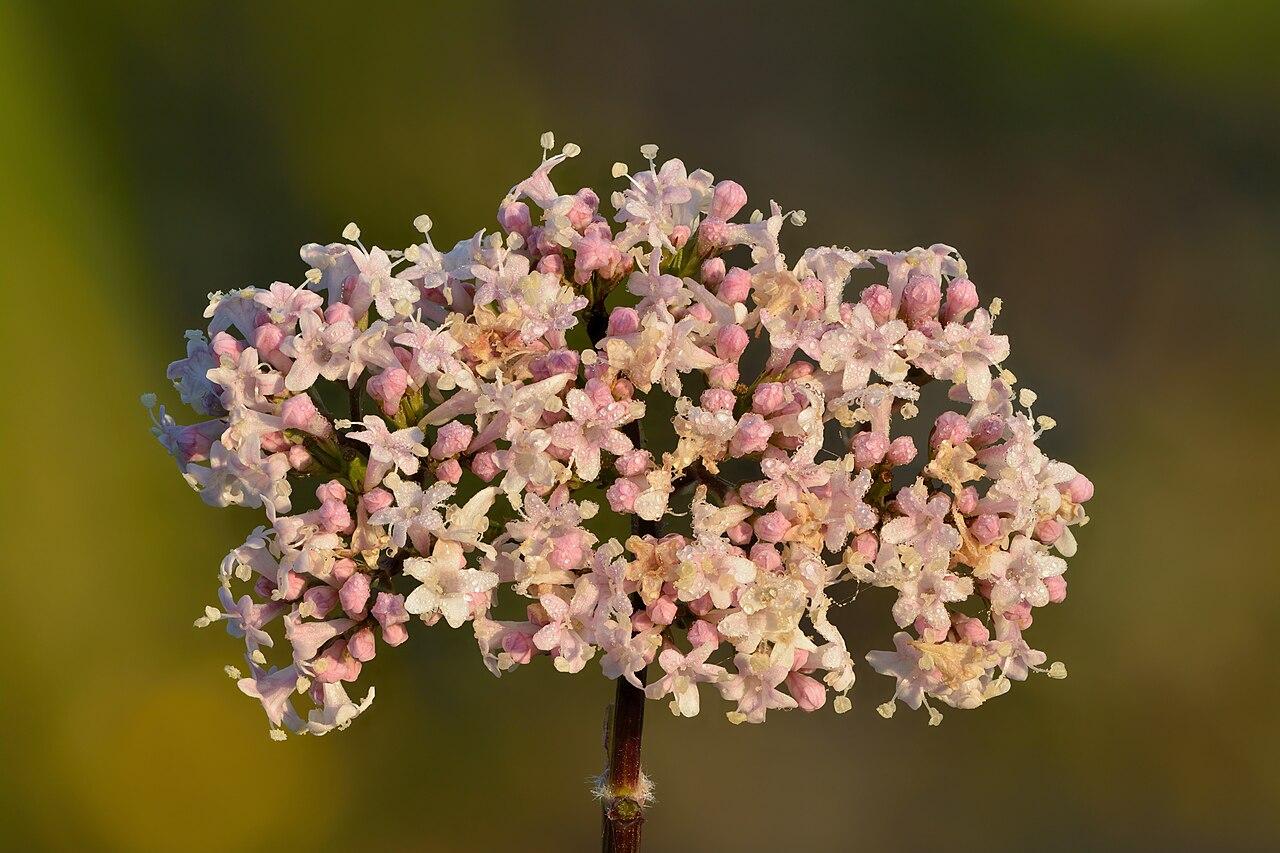
Valerian tea is made from the root of the valerian plant. People mostly drink it to help with sleep and to ease nervous tension, but the evidence is mixed. One review of earlier reviews found no evidence that valerian works as a treatment for insomnia, although people did seem to rate their sleep quality better. We found no trial of plain home-brewed valerian tea, so what follows comes from extracts and other products.
Valerian is a plant native to Europe and Asia, and it also grows in North America. The roots and rhizomes (underground stems) are the parts used. The European Medicines Agency says herbal medicines made from cut-up valerian root are usually sold as herbal tea, as solid or liquid forms taken by mouth, or as a bath additive. The root has a distinct odor that some people find unpleasant.
Valerian has real cautions. It can make you drowsy, it should not be taken with alcohol or sedatives, and it should be avoided in pregnancy and while breastfeeding. Liver injury has been reported in very rare cases. Below is what each study tested, how to brew the tea, and who should skip it.
What valerian tea is good for
- Sleep: mixed. A review of 16 studies in 1093 patients found more people reporting better sleep, but an umbrella review found no evidence that valerian treats insomnia; extracts, not tea
- Anxiety: not enough evidence. The one trial in 36 people with generalized anxiety disorder found no significant difference from placebo over 4 weeks
- Menstrual cramps: five pooled trials (201 on valerian, 207 on control) found less pain, but results were uneven and the authors urged caution
- Menopause: a valerian and lemon balm product beat placebo for sleep problems in 100 women; NCCIH says there is not enough evidence to know for certain
- Safety: avoid in pregnancy and breastfeeding, do not mix with alcohol or sedatives, and stop at least 1 week before surgery
- Children: the European Medicines Agency says not for children under 12
Valerian tea benefits, graded by the evidence
Strong = multiple human trials or a meta-analysis. Moderate = a few small trials. Preliminary = early, traditional or animal data.
May improve self-rated sleep quality (as extracts, not tea)
Moderate evidenceA review of randomized, placebo-controlled trials found 16 eligible studies in 1093 patients. Six reported a yes-or-no sleep outcome and showed a benefit (relative risk of improved sleep 1.8, 95% confidence interval 1.2-2.9), but there was publication bias and most studies had significant methodologic problems. An umbrella review of 8 articles found no evidence of efficacy for the treatment of insomnia, and said the effect was not shown with objective measures. In one 80-person trial of a standardized extract over 8 weeks, the sleep quality score was lower than with placebo on Days 14, 28 and 56. None of these tested tea.
Key evidenceBent et al., Am J Med 2006: meta-analysis of 16 studies, 1093 patients; Valente et al., Eur Neuropsychopharmacol 2024: umbrella review of 8 articles; Chandra Shekhar et al., Adv Ther 2024: 80-person randomized trial
May shorten self-rated time to fall asleep (as a water extract)
Moderate evidenceIn a randomized test of 128 people, each person tried placebo, 400 mg of an aqueous (water) extract of valerian root, and an over-the-counter valerian product on different nights. The valerian extract produced a significant decrease in self-rated time to fall asleep and a significant improvement in sleep quality, most of all in people who saw themselves as poor or irregular sleepers. The over-the-counter product only raised reports of feeling more sleepy the next morning. This is the closest test to a tea, but it was a measured extract and the results were self-rated.
Key evidenceLeathwood et al., Pharmacol Biochem Behav 1982: 128-person randomized test of a water extract
Anxiety (not enough evidence)
Preliminary evidenceThe one randomized trial in people with generalized anxiety disorder that a Cochrane review could include had 36 patients and lasted 4 weeks. There were no significant differences between the valerian and placebo groups in anxiety scores, so the review found insufficient evidence to draw conclusions. A separate trial of fifty-four patients having tooth extraction found lower anxiety scores with valerian than with placebo, but the abstract does not say what form of valerian was used.
Key evidenceMiyasaka et al., Cochrane Database Syst Rev 2006: one 36-patient trial; Velasquez et al., Oral Maxillofac Surg 2024: randomized trial in fifty-four patients
Menstrual cramps (unclear)
Preliminary evidenceA pooled analysis of five controlled trials (201 intervention, 207 control participants) reported that valerian significantly reduced period pain by 1.03 points on a 0 to 10 scale. The authors said high heterogeneity and limited studies call for cautious interpretation. A Cochrane review found only one valerian trial, in 100 women, with a pain difference of -0.76 points, and judged all the evidence in that review to be of low or very low quality. The sources do not say the trials used tea.
Key evidenceRabiei et al., Rev Recent Clin Trials 2026: meta-analysis of 5 controlled trials; Pattanittum et al., Cochrane Database Syst Rev 2016: one valerian trial, 100 women
Sleep problems around menopause (as a blend with lemon balm)
Preliminary evidenceIn a randomized trial, 100 women aged 50-60 with sleep problems were split into two groups of 50, one taking a valerian and lemon balm product and one taking placebo. Sleep problems were significantly lower in the treated group. The abstract does not describe the product as a tea. NCCIH says three small studies suggest valerian might help with menopause symptoms, but there is not enough evidence to know for certain.
Key evidenceTaavoni et al., Complement Ther Clin Pract 2013: 100-woman randomized trial of valerian and lemon balm
Is valerian tea good for you?
- The National Center for Complementary and Integrative Health (NCCIH), part of the U.S. National Institutes of Health, says research suggests valerian is generally safe for short-term use by most adults. The safety of long-term use is unknown, and no trial tested the tea itself.
- Do not count on it as a sleep aid. The reviews are mixed, and NCCIH reports that the American Academy of Sleep Medicine recommended against valerian for chronic insomnia in adults in its 2017 guidelines.
- Do not combine it with alcohol or sedatives, and do not drive after taking it. Ask a clinician or pharmacist first if you take any medicine.
- Skip it if you are pregnant or breastfeeding, if the drinker is a child under 12, or if you have liver, pancreatic or gallbladder disease.
- Stop valerian at least 1 week before surgery.
How to brew valerian tea
1 to 2 teaspoons of dried valerian root per 8 oz cup. The sources gave no tea recipe, so this is the ordinary kitchen method, not a dose.
Just-boiled water, poured over the root
5 to 10 minutes, covered
- Strain before drinking.
- The root has a distinct odor that some people find unpleasant.
- No source gave a dose for tea, so do not treat the amount above as a medical dose.
How much per day
No source gives a safe amount of valerian tea. NCCIH says valerian has been used with apparent safety in doses of 300 to 600 milligrams daily for up to 6 weeks, but it does not say this applies to tea, and long-term safety is unknown. The European Medicines Agency says to consult a doctor or pharmacist if mild nervous tension and sleep disorders persist or worsen after 2 weeks of continuous use of its medicinal product.
Caffeine-free. It is not made from the tea plant (Camellia sinensis), which is where the caffeine in green and black tea comes from. Does valerian tea have caffeine?
Side effects, interactions and who should limit it
Side effects
- Headache, stomach upset, mental dullness, excitability, uneasiness and vivid dreams (NCCIH)
- Nausea and abdominal cramps, with an unknown frequency (European Medicines Agency)
- Daytime drowsiness and impaired alertness; do not drive or run dangerous machinery after taking it
- Withdrawal symptoms, including anxiety, irritability, heart disturbances and insomnia, if stopped abruptly after chronic use; hallucinations in rare cases
- Liver injury in very rare cases, most often when valerian was taken with other herbals; case reports of liver damage and pancreas problems also exist
Interactions
- Alcohol, sedatives, and sleep or anxiety medicines such as barbiturates and benzodiazepines: Memorial Sloan Kettering says valerian lengthens sedation time of these drugs, and NCCIH says not to take it with alcohol or sedatives. The European Medicines Agency says no interactions with other medicines were described in the literature when it assessed valerian root. The sources disagree, so ask your clinician or pharmacist.
- Haloperidol: an animal study suggests valerian may increase effects and cause liver damage. Whether this matters in people has yet to be determined.
- Medicines broken down by CYP liver enzymes: valerian may inhibit one of these enzymes, although other studies in people suggest interactions through these enzymes are unlikely.
- Anesthesia: valerian may interact with anesthesia, and Memorial Sloan Kettering says to stop it at least 1 week before surgery.
- Liver or pancreatic disease: Memorial Sloan Kettering says people with these conditions should avoid valerian because of case reports of liver damage.
Pregnancy and breastfeeding
Do not drink valerian tea while pregnant or breastfeeding unless your clinician says it is fine. The European Medicines Agency says not to use valerian root medicines when pregnant or breastfeeding. Memorial Sloan Kettering Cancer Center says to avoid it because it has not been adequately studied and animal models show some adverse effects on fetal brain development. The National Center for Complementary and Integrative Health (NCCIH), part of the U.S. National Institutes of Health, says little is known about its safety. No human pregnancy study was found in our sources.
Frequently asked questions
What is valerian tea?
Valerian tea is a drink made by steeping the dried root of the valerian plant, Valeriana officinalis, in hot water. It is mostly used for sleep and nervous tension. The root has a distinct odor. We found no trial of plain tea.
Does valerian root tea help you sleep?
Maybe a little, but the evidence is mixed. Trials of extracts found better self-rated sleep, while one umbrella review found no evidence that valerian treats insomnia. The National Center for Complementary and Integrative Health (NCCIH), part of the U.S. National Institutes of Health, says the evidence is inconsistent, and the American Academy of Sleep Medicine recommended against it for chronic insomnia in adults in 2017. None of this tested tea.
What are the side effects of valerian tea?
The National Center for Complementary and Integrative Health (NCCIH), part of the U.S. National Institutes of Health, lists headache, stomach upset, mental dullness, excitability, uneasiness and vivid dreams. The European Medicines Agency lists nausea and abdominal cramps. In very rare cases, liver injury has been reported. See the side effects section for more.
Is it safe to drink valerian tea every night?
No source tested nightly tea. The National Center for Complementary and Integrative Health (NCCIH), part of the U.S. National Institutes of Health, says valerian has been used with apparent safety at 300 to 600 milligrams a day for up to 6 weeks, but long-term safety is unknown. The European Medicines Agency says to see a doctor or pharmacist if sleep problems persist or worsen after 2 weeks of continuous use of its medicinal product. Withdrawal symptoms may occur if valerian is stopped abruptly after being taken for a period of time.
Can I drink valerian tea with sleeping pills or alcohol?
The National Center for Complementary and Integrative Health (NCCIH), part of the U.S. National Institutes of Health, says valerian should not be taken with alcohol or sedatives. Memorial Sloan Kettering Cancer Center says valerian lengthens sedation time of barbiturates, benzodiazepines and other CNS drugs. The European Medicines Agency says no interactions were described in the literature when it assessed valerian root. Because the sources disagree, ask a clinician or pharmacist before combining them. Do not change a prescribed medicine on your own.
Is valerian tea safe in pregnancy or for children?
Do not use it while pregnant or breastfeeding unless a clinician says it is fine. The European Medicines Agency says not to use valerian root medicines in those cases, or for children under 12. This page gives no doses for children.
Does valerian tea help anxiety?
There is not enough evidence. A Cochrane review found only one trial, with 36 patients, and no significant difference from placebo. A trial of fifty-four people having tooth extraction found that anxiety scores fell with valerian but not with placebo, though the abstract does not say what form was used.
Can valerian tea harm the liver?
Very rarely. The National Center for Complementary and Integrative Health (NCCIH), part of the U.S. National Institutes of Health, says liver injury was reported in very rare cases, most often when valerian was taken with other herbals, and that the long-term effect on liver function is unknown. Memorial Sloan Kettering Cancer Center says people with liver or pancreatic disease should avoid valerian because of case reports.
References
- National Center for Complementary and Integrative Health. Valerian: Usefulness and SafetyView source
- Memorial Sloan Kettering Cancer Center. ValerianView source
- European Medicines Agency. Valerianae radix - herbal medicinal productView source
- Miyasaka LS, Atallah AN, Soares BG. Valerian for anxiety disorders. Cochrane Database Syst Rev (2006)View source
- Valente V, Machado D, Jorge S, Drake CL, et al.. Does valerian work for insomnia? An umbrella review of the evidence. Eur Neuropsychopharmacol (2024)View source
- Bent S, Padula A, Moore D, Patterson M, et al.. Valerian for sleep: a systematic review and meta-analysis. Am J Med (2006)View source
- Rabiei F, Delavar MA, Mirabi P, Masoumi P, et al.. Effect of Valeriana officinalis on Primary Dysmenorrhea: A Systematic Review and Meta-Analysis. Rev Recent Clin Trials (2026)View source
- Taavoni S, Nazem Ekbatani N, Haghani H. Valerian/lemon balm use for sleep disorders during menopause. Complement Ther Clin Pract (2013)View source
- Leathwood PD, Chauffard F, Heck E, Munoz-Box R. Aqueous extract of valerian root (Valeriana officinalis L.) improves sleep quality in man. Pharmacol Biochem Behav (1982)View source
- Velasquez ACA, Tsuji M, Dos Santos Cordeiro L, Petinati MFP, et al.. Effects of Passiflora incarnata and Valeriana officinalis in the control of anxiety due to tooth extraction: a randomized controlled clinical trial. Oral Maxillofac Surg (2024)View source
- Chandra Shekhar H, Joshua L, Thomas JV. Standardized Extract of Valeriana officinalis Improves Overall Sleep Quality in Human Subjects with Sleep Complaints: A Randomized, Double-Blind, Placebo-Controlled, Clinical Study. Adv Ther (2024)View source
- Pattanittum P, Kunyanone N, Brown J, Sangkomkamhang US, et al.. Dietary supplements for dysmenorrhoea. Cochrane Database Syst Rev (2016)View source
Guides that rank valerian tea
Go deeper
Other teas
Is valerian tea right for you?
Ask AskMN. It knows these studies, checks interactions with the medications you tell it about, and it is free and unlimited, no account needed.
This page is educational and is not medical advice. Herbal teas can interact with prescription medicines. Talk with a clinician or pharmacist before relying on any of them, especially if you are pregnant, breastfeeding, have a chronic condition, or take medication.