
What is burdock root tea good for?
Arctium lappa roots (burdock), from a perennial plant native to Europe and Northern Asia
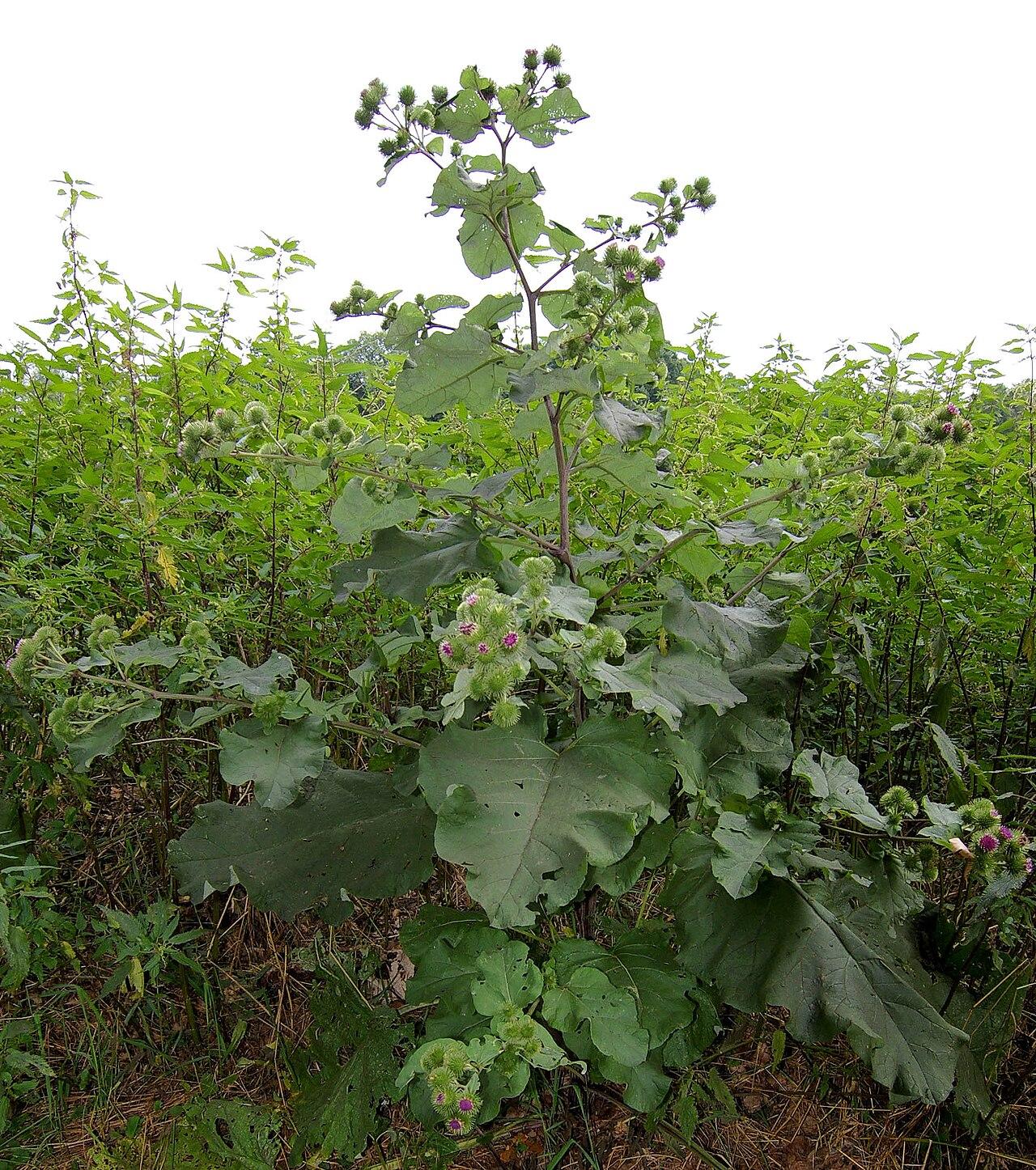
Burdock root tea is mostly a traditional herbal drink, and the few human trials of it are about inflammation, not everyday health. One trial of burdock tea found fewer repeat attacks of diverticulitis, a gut problem. Another found lower blood markers of inflammation in people with knee osteoarthritis. Each was a single trial, and neither shows that the tea treats a condition.
Burdock is the root of Arctium lappa, a perennial plant native to Europe and Northern Asia. Memorial Sloan Kettering Cancer Center, a U.S. cancer hospital and research center, says the root has been consumed as food in Asia for many centuries. Much of the other research on burdock used extracts, powders or mixed products, or was done in animals or cells. We say what was tested each time.
Burdock tea also carries real warnings. Memorial Sloan Kettering says burdock may stimulate the uterus and should be avoided in pregnancy. People allergic to chrysanthemums may react to it. Some burdock teas have been found contaminated with atropine from the belladonna plant. Single case reports link burdock foods or teas containing burdock to a severe allergic reaction, liver injury and a very low platelet count.
What burdock root tea is good for
- Diverticulitis: 1.5 g of burdock tea three times a day went with fewer repeat attacks (5 of 47 vs 14 of 44 with no treatment) in one randomized trial; it did not lower repeat bleeding
- Knee osteoarthritis: Thirty-six people drank three cups of burdock root tea a day for 42 days and had lower blood markers of inflammation; the abstract reports blood tests, not pain
- PCOS: 460 mg a day of burdock root powder for 12 weeks lowered markers of oxidative stress and inflammation in Sixty women; powder, not tea
- Pregnancy: avoid burdock, because it may stimulate the uterus
- Cancer, diabetes, infections: Memorial Sloan Kettering Cancer Center says there is no evidence burdock treats them
- Safety: some burdock teas were found contaminated with atropine, and single case reports describe serious allergic, liver and platelet problems
Burdock root tea benefits, graded by the evidence
Strong = multiple human trials or a meta-analysis. Moderate = a few small trials. Preliminary = early, traditional or animal data.
May lower repeat attacks of diverticulitis (burdock tea)
Moderate evidenceIn a randomized trial, people with newly diagnosed diverticulitis or diverticular bleeding were split into two groups. One group drank 1.5 g of burdock tea three times a day. The other group got no treatment, and no placebo tea. Repeat diverticulitis happened in 5 of 47 people on the tea (10.6%) and 14 of 44 without it (31.8%), with p = 0.012 by log rank test. The tea did not significantly prevent repeat diverticular bleeding. It is one trial in which the comparison group got nothing.
Key evidenceMizuki et al., Sci Rep 2019: randomized trial of burdock tea vs no treatment
Lowers markers of oxidative stress and inflammation in PCOS (as root powder)
Moderate evidenceIn a double-blind randomized trial, Sixty women with polycystic ovary syndrome (PCOS) took 460 mg a day of burdock root powder or placebo for 12 weeks, 30 in each group. Antioxidant markers (superoxide dismutase and catalase) rose, and malondialdehyde and C-reactive protein fell compared with placebo (p<0.001). Ovary volume was also lower (p=0.02 and p=0.01). The abstract gives no results for hirsutism score or menstrual frequency. This was a powder, not a tea, and the results are lab markers and ovary size.
Key evidenceTaheri et al., JBRA Assist Reprod 2026: double-blind randomized trial of root powder in women with PCOS
Lowers blood markers of inflammation in knee osteoarthritis
Moderate evidenceThirty-six people aged 50 to 70 with knee osteoarthritis were randomly split into two groups for 42 days. One group drank three cups a day of burdock root tea (2 g in 150 mL of boiled water per cup). The other drank three cups of boiled water. Everyone also took the same drug treatments, including acetaminophen and glucosamine. In the tea group, blood IL-6 (P = 0.002), hs-CRP (P = 0.003) and malondialdehyde (P < 0.001) fell, while total antioxidant capacity (P < 0.001) and SOD activity (P = 0.009) rose. The abstract reports blood markers, not pain or joint function.
Key evidenceMaghsoumi-Norouzabad et al., Int J Rheum Dis 2016: randomized trial of burdock root tea in knee osteoarthritis
Blood fats in older women (burdock intake, form not stated as tea)
Preliminary evidenceForty women aged 70 to 80 were split into four groups for 12 weeks: control (n=8), aquarobic exercise (n=11), exercise plus burdock (n=11) and burdock alone (n=10). Total cholesterol, triglycerides, HDL-C and LDL-C fell significantly in the exercise group and in the exercise-plus-burdock group. The abstract does not report a significant change for burdock alone. Pulse wave velocity did not change significantly in any group. The abstract does not say the burdock was a tea, and the groups were very small.
Key evidenceHa et al., Exp Gerontol 2018: randomized trial in 40 older women, burdock with or without exercise
Helicobacter pylori stomach infection (as a four-ingredient product, not tea)
Preliminary evidenceBurdock complex is a product made of burdock, angelica, gromwell and sesame oil, so it is not a tea and not burdock alone. In a double-blind trial, 36 people with H. pylori and no symptoms took the complex (19 people) or placebo (17 people) for 8 weeks. Their breath-test value and inflammatory markers dropped compared with placebo (P < .05), and the authors say it healed the ulcer wound. A systematic review of 24 clinical studies reached a more cautious view: burdock complex and other vegetable extracts were not as effective as single agents in clearing H. pylori, and worked together with conventional treatment.
Key evidenceYen et al., Helicobacter 2018: double-blind randomized trial of burdock complex; Ullah et al., Molecules 2021: systematic review
Blood sugar (no trial of the tea)
Preliminary evidenceMemorial Sloan Kettering Cancer Center reports one small study in which burdock reduced proteinuria and improved after-meal blood glucose and lipid metabolism in people with diabetic nephropathy, a kidney disease from diabetes. That study did not test a tea. Animal experiments found that root extract lowered blood sugar. The same source states there is no evidence to support use of burdock to treat diabetes. We found no trial of burdock tea for blood sugar.
Key evidenceMemorial Sloan Kettering Cancer Center burdock monograph for patients and healthcare professionals
Is burdock root tea good for you?
- Burdock root tea has been tested in people only in a few small trials. The tea itself was used in one diverticulitis trial and one knee osteoarthritis trial. None of this proves it treats a condition.
- Do not drink it if you are pregnant, and be careful if you are allergic to chrysanthemums.
- Quality can vary. Memorial Sloan Kettering Cancer Center reports that a burdock tea was found contaminated with atropine.
- Single case reports link burdock foods or teas containing burdock to anaphylaxis, liver injury and a very low platelet count. The cause was not proven in the platelet case.
- Memorial Sloan Kettering says there is no evidence that burdock treats cancer, infections or diabetes.
How to brew burdock root tea
1 to 2 teaspoons dried burdock root per 8 oz cup
Just-boiled water, poured over the root
5 to 10 minutes, covered
- The sources reviewed for this page give no standard home preparation, so this is the ordinary kitchen method and not a studied dose.
- Do not use it if you are pregnant.
How much per day
No safe upper limit for burdock tea was found in the sources reviewed. One trial used 1.5 g of burdock tea three times a day. Another used three cups a day, each made with 2 g of root in 150 mL of boiled water, for 42 days. Those are what was studied, not a recommendation. The European Medicines Agency page on burdock root says the agency is still developing its information.
Caffeine-free. It is not made from the tea plant (Camellia sinensis), which is where the caffeine in green and black tea comes from. Does burdock root tea have caffeine?
Side effects, interactions and who should limit it
Side effects
- Allergic reactions: allergic contact dermatitis is listed, and people allergic to chrysanthemums may react to burdock
- Anaphylaxis, a severe allergic reaction with redness over the body and trouble breathing, in a 53-year-old man one hour after eating boiled burdock; his symptoms resolved after treatment
- Acute liver injury in a 36-year-old woman after an herbal tea containing burdock; symptoms abated after she stopped the tea
- A very low platelet count (immune thrombocytopenia) in a 38-year-old woman 1 week after she drank herbal tea containing yellow dock and burdock; one case report, and the link has not been studied in detail
- Contamination: some burdock teas contain atropine from the belladonna plant, which can cause effects on the nervous system
Interactions
- Medicines: we found no study of burdock tea with any medicine. The knee osteoarthritis trial gave the tea alongside acetaminophen and glucosamine, but its abstract reports no interaction findings
- Chrysanthemum allergy: people allergic to chrysanthemums may react to burdock
- Bleeding or low platelet conditions: a case report linked an herbal tea containing burdock to a very low platelet count, and a review lists burdock compounds among substances that reduced clot retraction in lab work. No study tested burdock tea with blood thinners
Pregnancy and breastfeeding
Avoid burdock tea during pregnancy. Memorial Sloan Kettering Cancer Center says burdock may stimulate the uterus and increase the risk of premature delivery. We found no data on burdock tea while breastfeeding, so ask your clinician before drinking it.
Frequently asked questions
What is burdock root tea?
Burdock root tea is a caffeine-free herbal drink made from the root of Arctium lappa, a perennial plant native to Europe and Northern Asia. Memorial Sloan Kettering Cancer Center says the root has been consumed as food in Asia for many centuries.
What is burdock root tea good for?
It is used in traditional medicine, but the sources reviewed for this page found only a few small human trials. One trial of burdock tea found fewer repeat attacks of diverticulitis than no treatment. Another found lower blood markers of inflammation in people with knee osteoarthritis. Memorial Sloan Kettering Cancer Center says confirmatory studies are needed for effects like these.
Does burdock tea help with diverticulitis?
One randomized trial gave 1.5 g of burdock tea three times a day to people with newly diagnosed diverticulitis or diverticular bleeding. Repeat diverticulitis happened in 5 of 47 people on the tea and 14 of 44 with no treatment. The tea did not significantly prevent repeat bleeding. The comparison group got no treatment, so talk to your clinician before using tea for this.
Is burdock root tea safe?
It is not safe for everyone. Memorial Sloan Kettering Cancer Center says pregnant women should avoid burdock and that people allergic to chrysanthemums may react to it. It also reports that a burdock tea was found contaminated with atropine, and lists case reports of anaphylaxis and acute liver injury. A separate case report linked an herbal tea containing burdock and yellow dock to a very low platelet count.
Can you drink burdock tea while pregnant?
No. Memorial Sloan Kettering Cancer Center says burdock may stimulate the uterus, may increase the risk of premature delivery, and should be avoided by pregnant women. We found no data on burdock tea while breastfeeding, so ask your clinician first.
Does burdock tea treat cancer or diabetes?
No evidence says so. Memorial Sloan Kettering Cancer Center states that there is no evidence to support use of burdock to treat cancer, infections, diabetes, or other medical conditions. Lab and animal work found effects on cancer cell lines and blood sugar, but that is not proof of a benefit in people.
Has any regulator reviewed burdock root?
The European Medicines Agency lists burdock root (Arctii radix) with an EU herbal monograph and therapeutic areas of loss of appetite, skin disorders and minor wounds, and urinary tract and genital disorders. Its page says the agency is currently developing this information, and a call for scientific data is ongoing. We did not find the monograph text in the sources reviewed.
References
- Memorial Sloan Kettering Cancer Center. BurdockView source
- Maghsoumi-Norouzabad L, Alipoor B, Abed R, Eftekhar Sadat B, et al.. Effects of Arctium lappa L. (Burdock) root tea on inflammatory status and oxidative stress in patients with knee osteoarthritis. Int J Rheum Dis (2016)View source
- Mizuki A, Tatemichi M, Nakazawa A, Tsukada N, et al.. Effects of Burdock tea on recurrence of colonic diverticulitis and diverticular bleeding: An open-labelled randomized clinical trial. Sci Rep (2019)View source
- Taheri H, Seydi F, Jalali-Mashayekhi F, Moslemi A, et al.. Effects of Arctium lappa L. Root Powder on Some Markers of Oxidative Stress and Inflammation in Women with Polycystic Ovary Syndrome: A Randomized, Double-Blind Controlled Clinical Trial Study. JBRA Assist Reprod (2026)View source
- Latif A, Fichadiya H, Abid F, Capo G. Herbal Teas and Thrombocytopenia: A Curious Case of Yellow Dock and Burdock-Induced Thrombocytopenia. Eur J Case Rep Intern Med (2022)View source
- European Medicines Agency. Arctii radix - herbal medicinal productView source
- Ha MS, Kim JH, Kim YS, Kim DY. Effects of aquarobic exercise and burdock intake on serum blood lipids and vascular elasticity in Korean elderly women. Exp Gerontol (2018)View source
- Yen CH, Chiu HF, Huang SY, Lu YY, et al.. Beneficial effect of Burdock complex on asymptomatic Helicobacter pylori-infected subjects: A randomized, double-blind placebo-controlled clinical trial. Helicobacter (2018)View source
- Ullah H, Di Minno A, Santarcangelo C, Khan H, et al.. Vegetable Extracts and Nutrients Useful in the Recovery from Helicobacter pylori Infection: A Systematic Review on Clinical Trials. Molecules (2021)View source
- Guilbeau A, Majumder R. Systemic Review of Clot Retraction Modulators. Int J Mol Sci (2023)View source
Go deeper
Other teas
Is burdock root tea right for you?
Ask AskMN. It knows these studies, checks interactions with the medications you tell it about, and it is free and unlimited, no account needed.
This page is educational and is not medical advice. Herbal teas can interact with prescription medicines. Talk with a clinician or pharmacist before relying on any of them, especially if you are pregnant, breastfeeding, have a chronic condition, or take medication.