
What Is Nettle Tea Good For? Benefits, Allergies, Evidence and Cautions
Urtica dioica (stinging nettle) dried leaf; the root is a different preparation
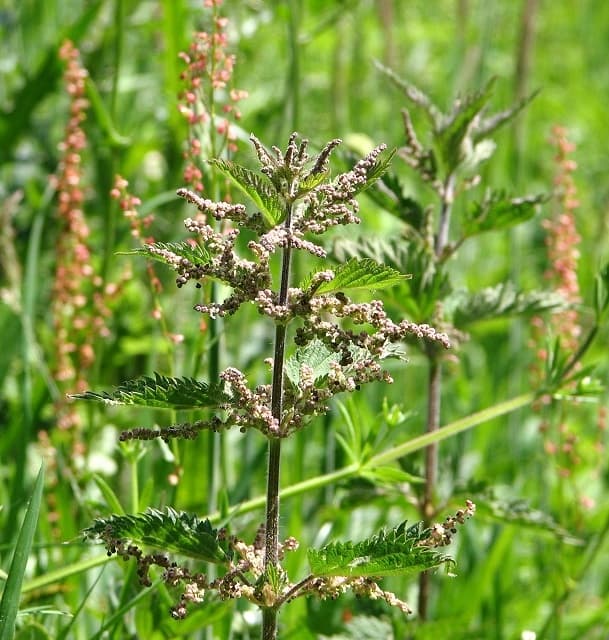
Nettle tea is good for three things with at least some human evidence: easing hay fever symptoms modestly, nudging blood sugar down in people with type 2 diabetes, and supplying a gentle diuretic, urinary-flushing effect that European regulators recognise from traditional use. It is also one of the most mineral-dense leaves you can steep, which is why herbalists reach for it in pregnancy-adjacent and postpartum blends, although most of that calcium and iron stays in the leaf rather than the cup.
The sting disappears the moment the leaf is dried or heated, so the tea is harmless to drink. What matters more is which part of the plant you are using. Nettle leaf is what goes in tea and is the subject of the allergy and blood sugar trials. Nettle root is a separate product, usually sold as capsules or tincture, with its own evidence for prostate symptoms; it does not make a pleasant tea and the leaf will not do the root's job.
Below, each claim is graded by the human evidence behind it. Most land at Moderate or Preliminary, which is normal for herbal teas. The cautions are real: nettle can add to the effect of diuretics, blood pressure and diabetes medicines, it carries enough vitamin K to matter on warfarin, and traditional sources advise against it in pregnancy.
What nettle tea is good for
- Hay fever — 300 mg freeze-dried nettle leaf twice daily for one week was rated moderately helpful by 58% of patients vs 37% on placebo; the effect is modest
- Blood sugar — 500 mg of leaf extract three times a day for 3 months lowered fasting glucose and HbA1c in a placebo-controlled trial of type 2 diabetics
- Urinary flushing — recognised by the European Medicines Agency as a traditional diuretic for minor urinary complaints
- Minerals — dried leaf is rich in calcium, magnesium, iron and vitamin K; a long steep pulls a useful fraction into the cup
- Joint pain — traditional use for arthritis; the only randomised trial used fresh leaf applied to the skin, not tea
- Blood pressure — lowered in rats through vasodilation and diuresis; no human trial of the tea yet
Nettle tea benefits, graded by the evidence
Strong = multiple human trials or a meta-analysis. Moderate = a few small trials. Preliminary = early, traditional or animal data.
Eases hay fever and allergy symptoms
Moderate evidenceIn the best-known trial, 98 people with allergic rhinitis took 300 mg of freeze-dried nettle leaf or placebo twice a day for one week during pollen season. On global assessment 58% of the nettle group rated it moderately or highly effective against 37% on placebo, with sneezing and itchy eyes improving most, but diary scores were only marginally better than placebo. A 2017 trial of 150 mg nettle root extract a day for one month found both groups improved with no significant difference. Nettle appears to block histamine H1 receptors and mast-cell tryptase in the lab, so the mechanism is plausible, but expect a mild effect, not antihistamine-level relief.
Key evidenceMittman P, Planta Medica 1990; randomised, double-blind, 69 completers
Helps lower blood sugar in type 2 diabetes
Moderate evidenceA randomised, double-blind trial gave 50 people with advanced type 2 diabetes 500 mg of nettle leaf extract or placebo every 8 hours alongside their usual drugs for 3 months. The nettle group had significantly lower fasting glucose, 2-hour post-meal glucose and HbA1c than placebo, with no change in liver or kidney tests. A separate 8-week trial in 46 diabetics reported lower fasting glucose and inflammatory markers. These are capsule doses of concentrated extract; two or three cups of leaf tea deliver less, so treat the tea as a possible helper, and watch for lows if you use insulin or sulfonylureas.
Key evidenceKianbakht et al., Clinical Laboratory 2013; 3-month placebo-controlled RCT
Mild diuretic that flushes the urinary tract
Moderate evidenceThe European Medicines Agency's herbal monograph lists nettle leaf as a traditional medicine 'to increase the amount of urine to achieve flushing of the urinary tract' as an adjunct in minor urinary complaints, at 2 to 4 g of dried leaf in tea up to three times a day. The grade reflects long, well-documented traditional use plus animal data showing increased urine and sodium output, rather than a modern placebo-controlled trial in people. The effect is gentle and, because the leaf is rich in potassium, less depleting than a drug diuretic.
Key evidenceEMA Committee on Herbal Medicinal Products, Urticae folium monograph 2010
Supplies calcium, iron, magnesium and vitamin K
Moderate evidenceBlanched nettle leaves contain roughly 480 mg of calcium, 1.6 mg of iron and 57 mg of magnesium per 100 g, along with high vitamin K and carotenoids, which is why nettle is treated as a nourishing 'food herb'. Only a fraction of minerals move into water: steeping 2 g of leaf for 10 minutes extracts tens of milligrams of calcium and magnesium, meaningful but far from a supplement dose, and a long overnight infusion of a handful of leaf extracts more. The iron is non-haem and nettle's tannins limit its uptake, so the tea is not a treatment for anaemia.
Relieves joint pain and inflammation
Preliminary evidenceNettle is a traditional remedy for arthritis, and the EMA monograph also lists the leaf for 'minor articular pain'. Lab studies show nettle leaf extract inhibits NF-kB signalling and the inflammatory cytokines TNF-alpha and IL-1beta. The only randomised human trial (27 patients with base-of-thumb osteoarthritis) applied fresh stinging leaf to the skin daily for a week and found pain and disability scores fell significantly compared with a non-stinging control plant. That tells you nothing direct about tea, so the oral claim remains tradition plus mechanism.
Key evidenceRandall et al., Journal of the Royal Society of Medicine 2000 (topical nettle)
May lower blood pressure
Preliminary evidenceIn rats, nettle leaf extract lowered blood pressure by relaxing arteries through nitric oxide release, opening potassium channels and increasing urine output, with heart rate and cardiac output also falling at higher doses. No controlled human trial has tested nettle tea for hypertension. The practical point is additive: if you already take blood pressure medicines, nettle tea could push you slightly lower, so stand up slowly and mention it to your prescriber if you drink it daily.
Key evidenceQayyum et al., BMC Complementary and Alternative Medicine 2016 (rat study)
Supports prostate and urinary symptoms (root, not leaf)
Preliminary evidenceThis belongs here mainly to avoid confusion. In a 6-month trial of 620 men with benign prostatic hyperplasia, nettle root extract improved urinary symptom scores and flow more than placebo, and root is often combined with saw palmetto for the same purpose. Those studies used root extracts at 120 to 360 mg a day; the leaf tea covered on this page has no prostate evidence of its own, so men with prostate symptoms should look at nettle root rather than drinking more leaf tea.
Key evidenceSafarinejad MR, Journal of Herbal Pharmacotherapy 2005; 620 men, 6 months
Is nettle tea good for you?
- Yes, for most adults nettle tea is a safe, caffeine-free, mineral-rich drink with small but real evidence for hay fever and blood sugar, and a gentle diuretic effect.
- The benefits are modest; it will not replace an antihistamine during peak pollen or a diabetes medicine, and the prostate evidence belongs to the root, not the tea.
- Limit or avoid it if you take warfarin (vitamin K), diuretics, lithium, blood pressure or diabetes medicines, or if you have kidney disease or heart failure with fluid restrictions.
- Avoid it in pregnancy; traditional sources warn of uterine stimulation and there are no safety trials. Ask a clinician before using it while breastfeeding.
- Pick dried leaf from a reputable supplier or harvest young spring tops with gloves; older leaves after flowering form gritty cystoliths that can irritate the urinary tract.
How to brew nettle tea
1 to 2 heaped teaspoons (2 to 3 g) dried nettle leaf per 8 oz, or one tea bag. For a stronger 'nourishing infusion', 1 oz (28 g) per quart.
200 to 212°F / 93 to 100°C, boiling or just off it.
5 to 10 minutes covered for tea; 4 hours to overnight for a mineral infusion, then strain and refrigerate.
- Longer steeps pull out more minerals but also more tannin; a squeeze of lemon and a little honey balance it.
- Fresh nettle must be cooked, dried or thoroughly wilted; the sting is destroyed by heat within seconds.
- Blend with peppermint for hay fever season; both are caffeine-free and the mint masks nettle's grassy edge.
How much per day
Two to three cups a day, in line with the EMA's traditional dose of 2 to 4 g of leaf up to three times daily, is reasonable for a few weeks at a time. More than that adds diuretic load without extra benefit, and people on blood-thinning, blood-pressure or diabetes drugs should keep intake steady rather than heavy.
Caffeine-free. Tastes green and mineral, like spinach water with a hint of hay.
Side effects, interactions and who should limit it
Side effects
- Mild stomach upset, loose stools or sweating in some people
- Increased urination, which can disturb sleep if you drink it late
- Lower blood sugar or blood pressure than expected when combined with medicines for either
- Skin rash or hives from handling fresh plants; rare allergic reactions to the tea itself
- Fluid retention worsening in people with heart or kidney failure who have been told to limit fluids
Interactions
- Warfarin and other vitamin K antagonists: nettle leaf is high in vitamin K and can reduce the drug's effect; keep intake consistent or avoid
- Diuretics (furosemide, hydrochlorothiazide) and lithium: additive fluid loss and possible changes in lithium clearance
- Blood pressure medicines (ACE inhibitors, calcium-channel blockers, beta-blockers): possible additive lowering
- Diabetes medicines (insulin, metformin, sulfonylureas): nettle lowered glucose in trials; monitor for hypoglycaemia
- Sedatives and CNS depressants: additive drowsiness reported in animal studies, clinical relevance unclear
- NSAIDs: nettle leaf enhanced the effect of diclofenac in one small study, which could allow lower doses but also more side effects
Pregnancy and breastfeeding
Avoid nettle tea in pregnancy. Traditional texts and herbal safety references flag a possible uterine-stimulating effect, and there are no controlled safety studies. Nettle appears in some postpartum and breastfeeding blends as a nourishing herb, but data are thin, so check with your midwife or doctor before using it while nursing.
Frequently asked questions
Does nettle tea help with allergies?
A little. In a one-week trial, 58% of hay fever sufferers rated freeze-dried nettle leaf moderately or highly effective versus 37% on placebo, with the clearest gains for sneezing and itchy eyes. A later trial of nettle root found no advantage over placebo. Think of it as a mild helper during pollen season, not a replacement for an antihistamine or steroid nasal spray.
Is nettle tea good for your kidneys?
It is a gentle diuretic traditionally used to flush the urinary tract, and that is what European regulators recognise it for. It does not treat kidney disease, and people with chronic kidney disease or heart failure on fluid or potassium restrictions should ask their doctor first, since nettle is high in potassium and increases urine output.
Can I drink nettle tea every day?
Most healthy adults can drink one to three cups daily for several weeks without problems. Herbal practice usually takes a break after four to six weeks. If you are on warfarin, diuretics or medicines for blood pressure or blood sugar, keep your intake the same each day and tell your prescriber.
Does nettle tea lower blood sugar?
In a 3-month placebo-controlled trial, 500 mg of nettle leaf extract three times a day lowered fasting glucose and HbA1c in people with type 2 diabetes. Tea delivers a smaller dose than those capsules, so expect a modest effect at most, and monitor if you use insulin or sulfonylureas.
Is nettle tea good for hair growth?
There is no human trial of nettle tea for hair. The claim comes from nettle root's mild effect on the enzyme that converts testosterone to DHT in test tubes, plus the leaf's silica and iron content. Drinking it is unlikely to hurt, but iron deficiency or thyroid problems, which are common causes of shedding, need testing rather than tea.
Does nettle tea sting your mouth?
No. The stinging hairs inject formic acid and histamine only on fresh, unbroken leaves. Drying, wilting or a few seconds of heat destroys them completely, so dried nettle tea is entirely safe to drink and tastes green and savoury rather than sharp.
References
- Mittman P. Randomized, double-blind study of freeze-dried Urtica dioica in the treatment of allergic rhinitis. Planta Medica (1990)
- Bakhshaee M, Mohammad Pour AH, Esmaeili M, et al.. Efficacy of supportive therapy of allergic rhinitis by stinging nettle (Urtica dioica) root extract: a randomized, double-blind, placebo-controlled clinical trial. Iranian Journal of Pharmaceutical Research (2017)
- Kianbakht S, Khalighi-Sigaroodi F, Dabaghian FH. Improved glycemic control in patients with advanced type 2 diabetes mellitus taking Urtica dioica leaf extract: a randomized double-blind placebo-controlled clinical trial. Clinical Laboratory (2013)
- Randall C, Randall H, Dobbs F, Hutton C, Sanders H. Randomized controlled trial of nettle sting for treatment of base-of-thumb pain. Journal of the Royal Society of Medicine (2000)
- Safarinejad MR. Urtica dioica for treatment of benign prostatic hyperplasia: a prospective, randomized, double-blind, placebo-controlled, crossover study. Journal of Herbal Pharmacotherapy (2005)
- Qayyum R, Qamar HM, Khan S, et al.. Mechanisms behind the antihypertensive properties of Urtica dioica L.. BMC Complementary and Alternative Medicine (2016)
- Community herbal monograph on Urtica dioica L., Urtica urens L., folium. European Medicines Agency, Committee on Herbal Medicinal Products (2010)
- Roschek B Jr, Fink RC, McMichael M, Alberte RS. Nettle extract (Urtica dioica) affects key receptors and enzymes associated with allergic rhinitis. Phytotherapy Research (2009)
- Stinging Nettle. MedlinePlus Herbs and SupplementsView source
Guides that rank nettle tea
Go deeper
Other teas
Is nettle tea right for you?
Ask AskMN. It knows these studies, checks interactions with the medications you tell it about, and it is free and unlimited, no account needed.
Ask about nettle teaThis page is educational and is not medical advice. Herbal teas can interact with prescription medicines. Talk with a clinician or pharmacist before relying on any of them, especially if you are pregnant, breastfeeding, have a chronic condition, or take medication.