
What Is Dandelion Tea Good For? Benefits, Evidence and Who Should Skip It
Taraxacum officinale root (dried or roasted) or leaf
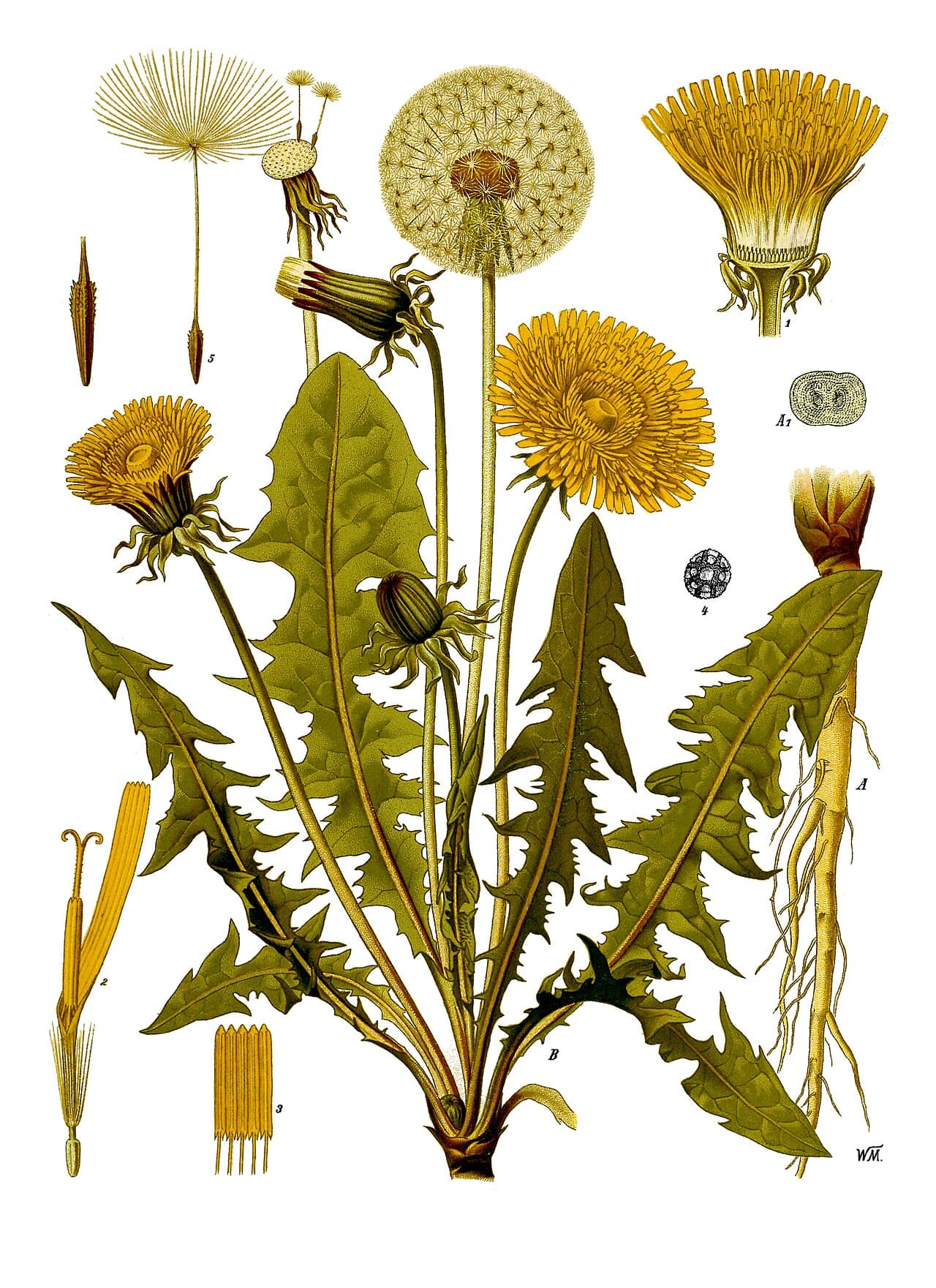
Dandelion tea is mainly good for three things: a gentle, short-lived diuretic effect from the leaf, a bitter-taste nudge to digestion and appetite from the root, and a dose of the prebiotic fibre inulin when you brew the root. Everything else you read about it, from liver cleansing to weight loss, rests on animal studies, test-tube work or tradition rather than human trials.
There are two quite different teas sold under one name. Dandelion leaf tea is grassy, green and the one with the only human diuretic trial. Dandelion root tea is earthy and bitter, and when roasted it becomes the dark, coffee-like drink used as a caffeine-free substitute. Both are safe for most people in ordinary amounts, both are high in potassium, and both can bother people who are allergic to ragweed and its relatives.
This page grades each claimed benefit by the human evidence behind it, gives real brewing numbers for leaf and root, and spells out who should limit dandelion tea: people on lithium, diuretics or blood thinners, anyone with gallstones or a blocked bile duct, and those with Asteraceae allergies.
What dandelion tea is good for
- Water retention — 8 mL of fresh leaf extract three times in one day increased urination frequency in a small human trial; the effect lasted hours, not days
- Digestion and appetite — the bitter root triggers saliva, stomach acid and bile release, the basis of its traditional use before meals
- Gut bacteria — dried root is up to 40% inulin, a prebiotic fibre that feeds Bifidobacteria
- Liver — animal studies show less liver damage from toxins; no human trial shows dandelion tea improves liver tests
- Blood sugar and cholesterol — lowered in rodents and rabbits fed dandelion; not yet tested in people drinking the tea
- Coffee replacement — roasted root gives a bitter, caffeine-free cup with none of the jitters
Dandelion tea benefits, graded by the evidence
Strong = multiple human trials or a meta-analysis. Moderate = a few small trials. Preliminary = early, traditional or animal data.
Acts as a mild, short-acting diuretic
Moderate evidenceThe one human study is small but direct. Seventeen healthy volunteers took 8 mL of a fresh dandelion leaf extract three times over a single day; urination frequency rose significantly in the five hours after the first dose, and the ratio of urine output to fluid intake rose after the second dose. The third dose produced no extra effect, and nobody measured sodium loss, so this is a modest, hours-long effect rather than a prescription-strength one. The leaf is also naturally rich in potassium, which helps offset what a diuretic would normally flush out.
Key evidenceClare et al., J Altern Complement Med 2009; 17 volunteers, single-day crossover
Stimulates digestion and appetite as a bitter
Moderate evidenceDandelion root is a classic bitter tonic, approved by the German Commission E for loss of appetite and dyspepsia such as bloating and fullness. Bitter compounds (taraxacin, sesquiterpene lactones) act on bitter-taste receptors in the mouth and gut, prompting saliva, gastric acid and bile flow within minutes. Human data are mostly older physiological studies on bitters as a class rather than trials of dandelion tea specifically, so the tier stays Moderate: plausible, consistent with centuries of use, but not proven in a modern randomised trial.
Key evidenceGerman Commission E monograph, Taraxaci radix cum herba; ESCOP monograph 2003
Feeds beneficial gut bacteria (prebiotic inulin)
Moderate evidenceDandelion root harvested in autumn can be 25 to 40% inulin by dry weight, the same fructan fibre found in chicory root. Human trials of inulin itself at 5 to 12 g a day for 2 to 4 weeks consistently raise Bifidobacterium counts and soften stools. A strong cup of root tea delivers perhaps 1 to 2 g of inulin, so expect a small contribution rather than a therapeutic dose, and be aware that inulin is also why a big mug can cause gas in people with IBS.
Key evidenceReviews of inulin-type fructans and gut microbiota (Roberfroid et al., Br J Nutr 2010)
Protects the liver
Preliminary evidenceThis is the headline claim and the weakest one. In mice given liver toxins such as carbon tetrachloride or high-fructose diets, dandelion root or leaf extracts reduced liver enzyme rises, fat accumulation and oxidative damage. The doses were large (typically 200 to 2,000 mg/kg of extract) and there is no human trial showing dandelion tea improves ALT, AST, fatty liver scores or any other liver outcome. The liver does not need 'cleansing'; what the animal data suggest is a possible protective, antioxidant effect worth studying, not a treatment.
Key evidenceRodent hepatoprotection studies, e.g. You et al., Food Chem Toxicol 2010
May help blood sugar control
Preliminary evidenceDandelion contains chicoric acid, chlorogenic acid and taraxasterol, which in cell and rodent studies improve insulin secretion, slow carbohydrate digestion and lower fasting glucose by 10 to 30% in diabetic animals. A 2016 review concluded the compounds are promising but that no controlled human study has tested dandelion for diabetes. If you are on glucose-lowering drugs, the practical point is to watch for lows rather than to expect a benefit.
Key evidenceWirngo, Lambert & Jeppesen, Rev Diabet Stud 2016 (narrative review)
May improve cholesterol
Preliminary evidenceRabbits fed a high-cholesterol diet with 1% dandelion leaf or root powder for four weeks showed lower total and LDL cholesterol, higher HDL and less fatty streaking in the aorta than controls. The dose scaled to humans would be far more plant material than a few cups of tea provide, and the finding has not been repeated in people, so treat it as a lead rather than a reason to drink dandelion for your lipids.
Key evidenceChoi et al., Int J Mol Sci 2010; rabbit feeding study
Anti-inflammatory and antioxidant activity
Preliminary evidenceTaraxasterol and the polyphenols in dandelion dampen inflammatory signalling (NF-kB, COX-2, TNF-alpha) in cell cultures and reduce inflammation in rodent models of colitis, pancreatitis and lung injury. Dandelion leaf is also a genuine source of vitamin A carotenoids, vitamin K and polyphenols. None of this has been tested as tea in humans, and the polyphenol dose in a cup is modest, so this is a reason the tea is a reasonable daily drink, not a reason to expect it to treat an inflammatory condition.
Is dandelion tea good for you?
- Yes, for most healthy adults dandelion tea is a safe, caffeine-free, potassium-rich drink with a real but mild diuretic and digestive effect.
- It will not cleanse or repair your liver; the liver claims come from mice given concentrated extracts, not from people drinking tea.
- Skip or limit it if you take lithium, prescription diuretics, warfarin (the leaf is high in vitamin K) or quinolone antibiotics, or if you have gallstones, a blocked bile duct or active stomach ulcers.
- Avoid it if you react to ragweed, chrysanthemums, marigolds or daisies; dandelion is in the same family and can trigger hives, swelling or contact dermatitis.
- Limited safety data in pregnancy and breastfeeding, so keep to an occasional cup or choose something better studied.
How to brew dandelion tea
Root: 1 to 2 teaspoons (2 to 4 g) dried chopped or roasted root per 8 oz. Leaf: 1 to 2 teaspoons (1 to 2 g) dried leaf per 8 oz, or one tea bag.
Root: 212°F / 100°C, simmered. Leaf: 200°F / 93°C, just off the boil.
Root: simmer 10 to 15 minutes as a decoction, then strain. Leaf: steep covered 5 to 10 minutes.
- Roast raw root in a 350°F / 175°C oven for 30 to 40 minutes until dark brown for a coffee-like, less bitter cup.
- If you forage, pick from land never treated with weedkiller and away from roads; wash well and avoid anything with latex-type rashes on your hands.
- Pair the leaf tea with lemon to lift the grassy taste; a little cinnamon suits roasted root.
How much per day
One to three cups a day is sensible. More than that mostly adds up to extra bathroom trips and, from the inulin in root tea, gas and bloating in sensitive people. Stop a few days before surgery because of the diuretic and mild anticoagulant-interacting effects.
Caffeine-free, even roasted root, which only tastes like coffee.
Side effects, interactions and who should limit it
Side effects
- More frequent urination for a few hours after drinking leaf tea
- Heartburn or stomach upset, because bitters increase stomach acid
- Gas and bloating from inulin in root tea, especially with IBS
- Allergic reactions (hives, itching, swelling) in people sensitive to ragweed and other Asteraceae
- Contact dermatitis from handling the fresh plant's latex sap
Interactions
- Lithium: dandelion's diuretic effect can raise lithium levels; avoid or ask your prescriber
- Prescription diuretics (thiazides, loop diuretics, potassium-sparing diuretics): additive fluid and potassium shifts
- Warfarin and other anticoagulants: dandelion leaf is rich in vitamin K and may blunt the drug's effect if intake varies
- Quinolone antibiotics (ciprofloxacin, levofloxacin): dandelion's minerals reduced absorption in an animal study; separate by at least 2 hours
- Diabetes medicines (insulin, sulfonylureas): theoretical additive glucose lowering, monitor for lows
- Drugs cleared by CYP1A2, CYP2C9 or glucuronidation: in-vitro inhibition reported, clinical relevance unknown
Pregnancy and breastfeeding
Dandelion is eaten as a salad green and has no known harm in pregnancy, but there are no safety studies of the tea and its diuretic effect is a reason for caution. Keep to an occasional cup, or choose rooibos or ginger, and ask your midwife or doctor if you are breastfeeding, where data are absent.
Frequently asked questions
Is dandelion tea good for your liver?
Not in any proven way. Rodent studies show dandelion extracts reduce liver damage from toxins, but no human trial shows dandelion tea lowers liver enzymes, reverses fatty liver or 'cleanses' anything. If your liver tests are abnormal, the levers with human evidence are weight loss, less alcohol, coffee and treating the underlying cause.
Does dandelion tea make you pee?
Yes, modestly. In the only human trial, dandelion leaf extract increased urination frequency over the five hours after a dose. Because the leaf is also high in potassium, it is less likely than a pharmaceutical diuretic to leave you depleted, but it is still not a substitute for one if you have been prescribed it.
Is dandelion root tea or leaf tea better?
They do different jobs. Leaf tea is the one with diuretic evidence and more vitamins A and K. Root tea carries the bitters and inulin that support digestion and gut bacteria, and roasted root works as a coffee substitute. Many commercial 'dandelion tea' bags blend both.
Can dandelion tea help you lose weight?
Only water weight, and only briefly. The diuretic effect can shave a pound of fluid for a day; it does not burn fat. In mice, dandelion extract blocked a fat-digesting enzyme, but that has not been shown in people. As a caffeine-free swap for sugary drinks or lattes it can help indirectly.
Who should not drink dandelion tea?
People with ragweed or daisy-family allergies, anyone with gallstones or a bile duct obstruction (bitters increase bile flow), people with active ulcers or severe reflux, and those taking lithium, diuretics, warfarin or quinolone antibiotics without checking with a prescriber. Kidney disease patients should ask about the potassium load.
Does dandelion tea have caffeine?
No. Dandelion leaf and root are both caffeine-free, and roasted root only mimics coffee's colour and bitterness. It is a reasonable evening drink, although the diuretic effect of the leaf makes it a poor choice right before bed.
How long does it take for dandelion tea to work?
The diuretic effect shows within an hour or two and wears off the same day. Digestive effects from the bitter root are felt within 15 to 30 minutes of drinking it before a meal. Any effect on gut bacteria from inulin would take weeks of regular intake.
References
- Clare BA, Conroy RS, Spelman K. The diuretic effect in human subjects of an extract of Taraxacum officinale folium over a single day. Journal of Alternative and Complementary Medicine (2009)
- Wirngo FE, Lambert MN, Jeppesen PB. The Physiological Effects of Dandelion (Taraxacum officinale) in Type 2 Diabetes. Review of Diabetic Studies (2016)
- Choi UK, Lee OH, Yim JH, et al.. Hypolipidemic and antioxidant effects of dandelion (Taraxacum officinale) root and leaf on cholesterol-fed rabbits. International Journal of Molecular Sciences (2010)
- You Y, Yoo S, Yoon HG, et al.. In vitro and in vivo hepatoprotective effects of the aqueous extract from Taraxacum officinale (dandelion) root against alcohol-induced oxidative stress. Food and Chemical Toxicology (2010)
- Roberfroid M, Gibson GR, Hoyles L, et al.. Prebiotic effects: metabolic and health benefits. British Journal of Nutrition (2010)
- Schütz K, Carle R, Schieber A. Taraxacum: a review on its phytochemical and pharmacological profile. Journal of Ethnopharmacology (2006)
- Dandelion (Taraxacum officinale) monograph. ESCOP Monographs, 2nd edition (2003)
- Dandelion: Usefulness and Safety. National Center for Complementary and Integrative HealthView source
Guides that rank dandelion tea
Go deeper
Other teas
Is dandelion tea right for you?
Ask AskMN. It knows these studies, checks interactions with the medications you tell it about, and it is free and unlimited, no account needed.
Ask about dandelion teaThis page is educational and is not medical advice. Herbal teas can interact with prescription medicines. Talk with a clinician or pharmacist before relying on any of them, especially if you are pregnant, breastfeeding, have a chronic condition, or take medication.