
What Is Moringa Tea Good For? Benefits for Women, Blood Sugar and More
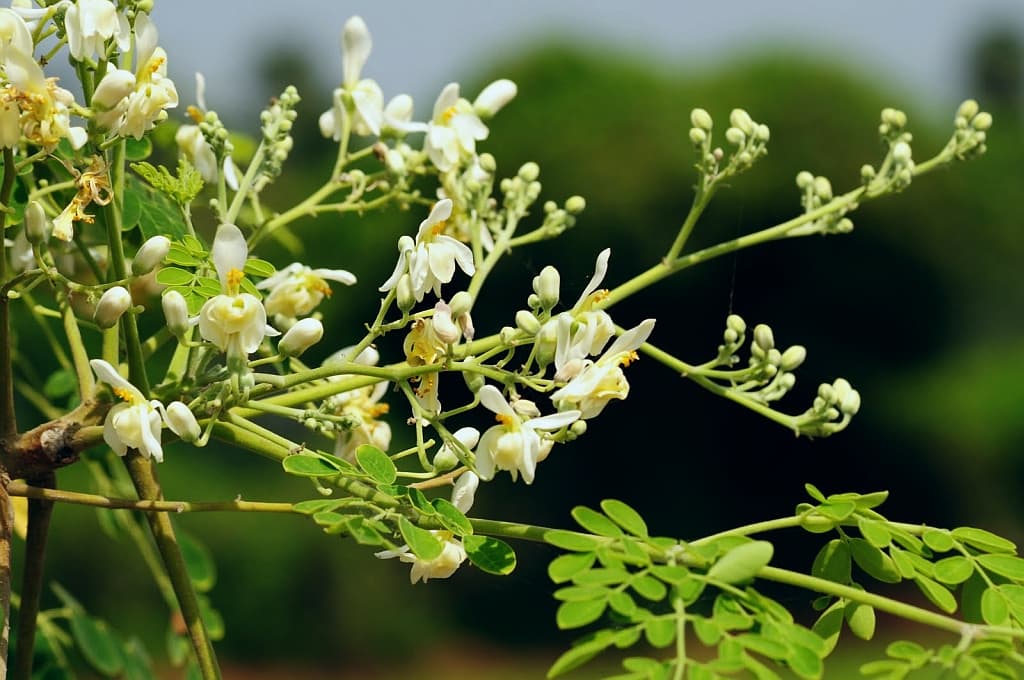
Moringa oleifera dried leaf (the 'drumstick tree' of India and East Africa)
Moringa tea is good for three things with human trial support: blunting the blood sugar rise after meals, increasing breast milk volume in the first week after birth, and improving antioxidant status and fasting glucose in postmenopausal women who took the leaf daily for three months. It is also a genuinely nutrient-dense leaf, high in calcium, iron, vitamin A precursors and protein, which is the root of its reputation as a 'superfood' and the reason most of the 'moringa for women' interest is justified in a modest way.
The caveat is dose and form. Nearly every human study used 4 to 20 g of whole leaf powder stirred into food or taken in capsules, not a cup of tea. Steeping dried leaf extracts the water-soluble polyphenols, some minerals and a little vitamin C, but leaves most of the protein, fibre, carotenoids and calcium in the strainer. If you want the nutrition the studies measured, eat the powder; if you want a pleasant, caffeine-free green tea substitute with a plausible blood sugar benefit, brew the leaf.
Moringa leaf is widely eaten as a vegetable and is safe for most adults. The cautions worth knowing: it can lower blood sugar and blood pressure enough to matter if you take medicines for either, it inhibits a liver enzyme that clears many drugs in laboratory tests, it may interfere with thyroid medicine, and the root and bark, which contain different compounds, should not be used at all in pregnancy.
What moringa tea is good for
- Blood sugar after meals — 20 g of leaf powder with a meal lowered the post-meal glucose rise in people with type 2 diabetes; 4 g raised insulin secretion in healthy adults
- Breast milk supply — 250 mg capsules twice daily roughly doubled milk volume by day 4 to 5 in mothers of premature babies
- Women after menopause — 7 g of leaf powder a day for 3 months improved antioxidant enzymes and lowered fasting glucose by about 13% in 90 women
- Iron and anaemia — leaf is rich in non-haem iron and vitamin C; small studies show rising haemoglobin, but tea delivers only a fraction
- Cholesterol — lowered in rabbits and in a small human study using 8 g of powder a day; not tested as tea
- Inflammation — isothiocyanates and quercetin reduce inflammatory markers in cells and rodents; human data are thin
Moringa tea benefits, graded by the evidence
Strong = multiple human trials or a meta-analysis. Moderate = a few small trials. Preliminary = early, traditional or animal data.
Lowers blood sugar after meals
Moderate evidenceIn a 2018 crossover study in Saharawi refugee camps, 20 g of moringa leaf powder eaten with a standard meal reduced the post-meal glucose rise in 17 people with type 2 diabetes, while healthy volunteers saw no change. An earlier Indian study found 50 g of fresh leaves in a meal cut post-meal glucose by about 21% in diabetics, and a Thai study of 10 healthy adults showed a single 4 g capsule increased insulin secretion within hours. Chlorogenic acid, quercetin and isothiocyanates slow glucose absorption and improve insulin signalling. The doses are higher than a cup of tea provides, so a steady, meal-time habit is more likely to help than an occasional mug.
Key evidenceLeone et al., Nutrients 2018; Anthanont et al., J Med Assoc Thai 2016
Increases breast milk supply
Moderate evidenceMoringa (malunggay) is the traditional galactagogue of the Philippines, and it has been tested in several small randomised trials there. In the most cited, mothers of preterm infants took 250 mg moringa leaf capsules twice daily from day 3 postpartum; by day 5 their milk volume averaged roughly 320 mL a day against about 120 mL on placebo. A 2014 pooled analysis of five trials concluded moringa increases milk volume but rated the studies low quality and short. The dose used is small, and the leaf's iron, calcium and vitamin A content is a bonus for a nursing mother, but talk to your midwife or lactation consultant before relying on it.
Key evidenceEstrella et al., Philippine Journal of Pediatrics 2000; Raguindin et al., Breastfeeding Medicine 2014 (review)
Improves antioxidant status and fasting glucose in postmenopausal women
Moderate evidenceIn a 3-month Indian trial, 90 postmenopausal women took 7 g of moringa leaf powder daily, amaranth leaf powder or nothing. The moringa group showed significantly higher blood levels of the antioxidant enzymes glutathione peroxidase and superoxide dismutase, lower malondialdehyde (a marker of oxidative damage) and a fall in fasting blood glucose of around 13%. The study was not blinded and used powder in food rather than tea, but it is the best direct evidence behind 'moringa benefits for women' and points to real metabolic and antioxidant effects at a realistic daily dose.
Key evidenceKushwaha, Chawla & Kochhar, Journal of Food Science and Technology 2014; 90 women, 3 months
Supplies iron, calcium and vitamins A and C
Moderate evidenceDried moringa leaf powder contains roughly 17 to 28 mg of iron, 1,500 to 2,000 mg of calcium and 25 g of protein per 100 g, plus high beta-carotene, so a 10 g daily serving of powder is a meaningful nutritional supplement, and feeding programmes use it for that reason. Tea is a different matter: water pulls out some iron, magnesium and vitamin C but almost none of the protein or carotenoids, and the leaf's tannins and oxalate limit iron absorption. Small studies in Indonesian and Nigerian women and children show haemoglobin rising with leaf powder, not tea.
May improve cholesterol
Preliminary evidenceRabbits fed a high-fat diet with moringa leaf extract showed total cholesterol roughly halved and less plaque in their arteries. In a small Indian study, 8 g of leaf powder a day for about seven weeks lowered total and LDL cholesterol in adults with high lipids, and a 2020 meta-analysis of animal and limited human data concluded moringa lowers lipids but called the human evidence insufficient. No trial has tested moringa tea for cholesterol, so this is a reason to use the leaf as a food, not a treatment.
Anti-inflammatory and antioxidant effects
Preliminary evidenceMoringa leaf is unusually rich in quercetin, chlorogenic acid and glucosinolates that convert to isothiocyanates when the leaf is chewed or steeped. In cell and rodent studies these compounds lower TNF-alpha, IL-6 and NF-kB activity and reduce markers of oxidative stress, and the postmenopausal trial above confirmed better antioxidant enzyme levels in people. Whether a daily cup reduces inflammatory markers such as CRP in healthy adults has not been tested; the plausible benefit is modest and long term rather than something you feel.
May lower blood pressure
Preliminary evidenceMoringa leaf is high in potassium and contains niazinin and niaziminin, compounds that relaxed blood vessels and lowered blood pressure in animal studies. A 2017 pilot in 41 adults found 120 g of cooked moringa leaf lowered blood pressure for two hours after the meal, and a 2023 crossover study reported small drops in systolic pressure with daily leaf powder. The effect in people drinking tea is unmeasured, so the practical note is additive caution for anyone already on antihypertensives.
Key evidenceChan Sun et al., Journal of Ethnopharmacology 2020 (acute pilot)
Is moringa tea good for you?
- Yes, moringa leaf tea is a safe, caffeine-free drink for most adults, with plausible benefits for post-meal blood sugar and antioxidant status and a long history as a food.
- The strongest 'moringa for women' evidence is for milk supply and for metabolic markers after menopause, both at powder doses of 0.5 to 7 g a day, so eating the leaf gives you more than steeping it.
- Limit it if you take diabetes or blood pressure medicines (additive lowering), levothyroxine (possible interference), or drugs cleared by CYP3A4 such as some statins, calcium-channel blockers and immunosuppressants.
- Use only the leaf. Moringa root and bark contain compounds that caused uterine contractions in animal studies and are unsafe in pregnancy; the leaf is eaten by pregnant women in many countries but has not been formally tested.
- Stop and seek advice if you get persistent diarrhoea, nausea or heartburn, which are the most common complaints at higher doses.
How to brew moringa tea
1 to 2 teaspoons (1.5 to 3 g) dried moringa leaf, or 1 teaspoon of leaf powder whisked like matcha, per 8 oz.
175 to 185°F / 80 to 85°C, well off the boil, to keep it from turning bitter and grassy.
4 to 5 minutes covered for loose leaf; whisk powder for 30 seconds and drink it unstrained to get the fibre and minerals.
- Powder in water gives you the full leaf, which is what the studies used; loose-leaf tea tastes cleaner but delivers less nutrition.
- Lemon or a squeeze of lime adds vitamin C, which helps you absorb moringa's non-haem iron.
- Buy leaf that is bright green and smells like fresh hay; brown, musty powder has lost most of its vitamins and may have been poorly dried.
How much per day
One to three cups of leaf tea a day, or 1 to 2 teaspoons (about 3 to 6 g) of powder, is a sensible ceiling. Trials used up to 7 to 8 g of powder daily for three months without harm, but doses above about 10 g raise the odds of loose stools, and people on blood sugar or blood pressure medicines should stay at the lower end.
Caffeine-free. Tastes earthy and green, somewhere between matcha and spinach, with a mild bitterness.
Side effects, interactions and who should limit it
Side effects
- Loose stools, nausea or heartburn, especially with powder above 5 to 8 g a day
- Lower blood sugar than expected when combined with diabetes medicines
- Slight blood pressure lowering, noticeable mainly in people already on antihypertensives
- Bitter, grassy taste and a dry mouth from tannins when over-brewed
- Rare allergic reactions in people sensitive to the plant
Interactions
- Diabetes medicines (insulin, sulfonylureas, metformin): additive glucose lowering shown in trials; monitor for lows
- Blood pressure medicines (ACE inhibitors, diuretics, calcium-channel blockers): possible additive lowering
- Levothyroxine: moringa altered thyroid hormone levels in rats; separate doses by 4 hours and recheck TSH if you drink it daily
- Drugs metabolised by CYP3A4 (simvastatin, amlodipine, cyclosporine, some antivirals): moringa leaf extract inhibited this enzyme in laboratory tests, which could raise drug levels
- Drugs metabolised by CYP1A2 and P-glycoprotein substrates (e.g. digoxin): in-vitro inhibition reported, clinical relevance unknown
- Anticoagulants: the leaf is a significant source of vitamin K; keep intake consistent on warfarin
Pregnancy and breastfeeding
Moringa leaf is eaten as a vegetable by pregnant women across South Asia and Africa and is used after birth to support milk supply, but controlled safety data in pregnancy are lacking, so keep to food-like amounts and ask your midwife. Never use moringa root, bark or flower extracts in pregnancy; they contain compounds that caused uterine contractions and pregnancy loss in animal studies.
Frequently asked questions
What are the benefits of moringa tea for women?
The two with human trials are milk supply (small Philippine trials found roughly double the milk volume in the first week after birth with 500 mg of leaf a day) and metabolic health after menopause (7 g of leaf powder daily for three months improved antioxidant enzymes and lowered fasting glucose in 90 women). The leaf's iron, calcium and folate are a bonus for women of reproductive age, though tea delivers less of these than the powder.
Is moringa tea good for weight loss?
There is no human trial showing moringa tea causes weight loss. In rodents, leaf extracts reduced fat gain, and a few small human trials of multi-herb blends containing moringa reported modest weight changes that cannot be attributed to moringa alone. Its real value is as a caffeine-free, zero-calorie drink that may blunt post-meal glucose spikes.
Does moringa tea have caffeine?
No. Moringa leaf contains no caffeine, so it is a reasonable evening drink and a useful swap for people cutting back on green tea or coffee. It has a green, matcha-like taste without the stimulant effect.
Can I drink moringa tea every day?
Yes, one to three cups a day of leaf tea, or up to 2 teaspoons of powder, is a reasonable daily habit for healthy adults; trials ran for three months at higher doses without safety problems. If you take diabetes, blood pressure or thyroid medicine, or drugs cleared by CYP3A4, talk to your prescriber first because moringa can change how they work.
Is moringa tea good for your liver or kidneys?
Rodent studies show moringa leaf protects the liver and kidneys against toxins, but no human trial has shown moringa tea improves liver or kidney tests. The leaf's oxalate content is moderate, so people prone to calcium-oxalate kidney stones should not drink it in large daily amounts.
Moringa powder or moringa tea: which is better?
Powder, if you want the nutrition. Every human study used whole leaf powder, and water leaves most of the protein, fibre, calcium and carotenoids behind. Tea is pleasanter and still carries the water-soluble polyphenols linked to the blood sugar effect; whisking a teaspoon of powder into hot water like matcha gives you both.
References
- Leone A, Bertoli S, Di Lello S, et al.. Effect of Moringa oleifera Leaf Powder on Postprandial Blood Glucose Response: In Vivo Study on Saharawi People Living in Refugee Camps. Nutrients (2018)
- Anthanont P, Lumlerdkij N, Akarasereenont P, Vannasaeng S, Sriwijitkamol A. Moringa oleifera leaf increases insulin secretion after single dose administration: a preliminary study in healthy subjects. Journal of the Medical Association of Thailand (2016)
- William F, Lakshminarayanan S, Chegu H. Effect of some Indian vegetables on the glucose and insulin response in diabetic subjects. International Journal of Food Sciences and Nutrition (1993)
- Estrella MCP, Mantaring JBV, David GZ, Taup MA. A double-blind, randomized controlled trial on the use of malunggay (Moringa oleifera) for augmentation of the volume of breastmilk among non-nursing mothers of preterm infants. Philippine Journal of Pediatrics (2000)
- Raguindin PF, Dans LF, King JF. Moringa oleifera as a galactagogue. Breastfeeding Medicine (2014)
- Kushwaha S, Chawla P, Kochhar A. Effect of supplementation of drumstick (Moringa oleifera) and amaranth (Amaranthus tricolor) leaves powder on antioxidant profile and oxidative status among postmenopausal women. Journal of Food Science and Technology (2014)
- Monera TG, Wolfe AR, Maponga CC, Benet LZ, Guglielmo J. Moringa oleifera leaf extracts inhibit 6beta-hydroxylation of testosterone by CYP3A4. Journal of Infection in Developing Countries (2008)
- Leone A, Spada A, Battezzati A, Schiraldi A, Aristil J, Bertoli S. Cultivation, Genetic, Ethnopharmacology, Phytochemistry and Pharmacology of Moringa oleifera Leaves: An Overview. International Journal of Molecular Sciences (2015)
- Gopalakrishnan L, Doriya K, Kumar DS. Moringa oleifera: A Review on Nutritive Importance and its Medicinal Application. Food Science and Human Wellness (2016)
- Chan Sun M, Ruhomally ZB, Boojhawon R, Neergheen-Bhujun VS. Antihypertensive effects of Moringa oleifera leaves: an acute pilot study in healthy volunteers. Journal of Ethnopharmacology (2020)
Guides that rank moringa tea
Go deeper
Other teas
Is moringa tea right for you?
Ask AskMN. It knows these studies, checks interactions with the medications you tell it about, and it is free and unlimited, no account needed.
Ask about moringa teaThis page is educational and is not medical advice. Herbal teas can interact with prescription medicines. Talk with a clinician or pharmacist before relying on any of them, especially if you are pregnant, breastfeeding, have a chronic condition, or take medication.