
What is fenugreek tea good for?
Trigonella foenum-graecum seeds, a clover-like herb in the legume family
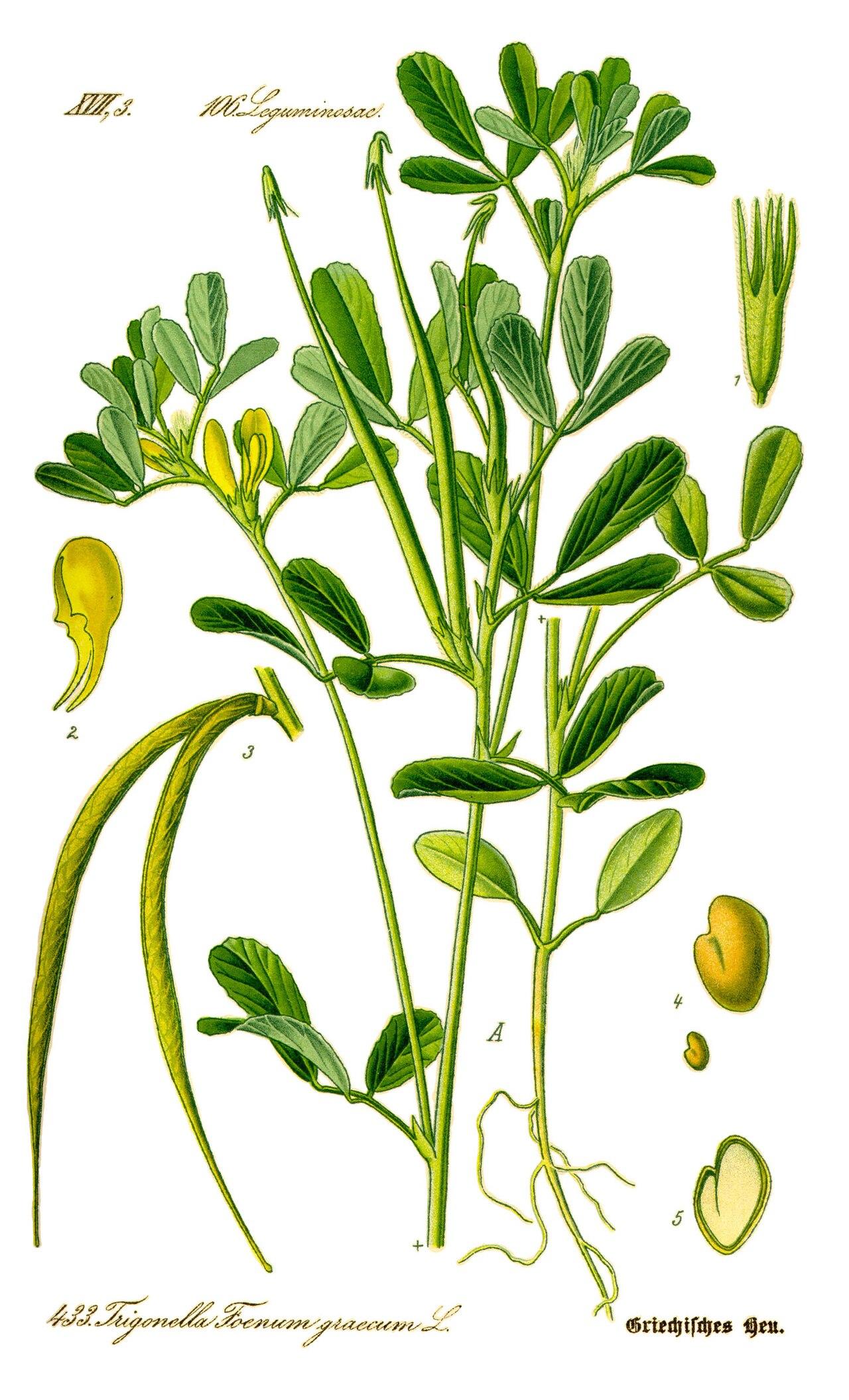
Fenugreek tea is made from the seeds of a clover-like herb. It is used to try to lower blood sugar, to ease period cramps and to bring in more breast milk, but we found no trial of plain fenugreek tea. The research used seeds, capsules or extracts. Fenugreek is not safe in pregnancy in amounts greater than those found in food, and it has been linked to birth defects.
The National Center for Complementary and Integrative Health (NCCIH), part of the U.S. National Institutes of Health, says there is not enough high-quality evidence to say whether fenugreek is useful for diabetes or menstrual cramps. It also says the studies on milk supply had mixed results. The European Medicines Agency (EMA) lists fenugreek seed only for traditional use, for temporary loss of appetite and for minor skin inflammation (external use). Traditional use means the use rests on long use and not on clinical studies.
Below is what each study tested, how to brew the seeds at home, and who should not drink it.
What fenugreek tea is good for
- Blood sugar in people with diabetes: a meta-analysis of 10 trials of fenugreek seeds found HbA1c changed by -0.85% (3 trials); most trials were low quality and the seeds were not tea
- Breast milk: results are mixed. One trial in 68 mothers of preterm babies found more milk on the seventh day but no difference on day 15; capsules, not tea
- Period cramps: low-quality evidence and a highly uncertain effect; no trial of tea was found
- Pregnancy: avoid it. Fenugreek is not safe in amounts greater than those found in food and has been linked to birth defects
- Medicines: talk to your clinician first if you take warfarin, an SSRI antidepressant or diabetes medicine
- Age: the EMA says its fenugreek seed medicines are not for anyone under 18
Fenugreek tea benefits, graded by the evidence
Strong = multiple human trials or a meta-analysis. Moderate = a few small trials. Preliminary = early, traditional or animal data.
May help lower blood sugar in people with type 2 diabetes (as seeds, not tea)
Moderate evidenceOne meta-analysis pooled 10 trials of at least 1 week that compared fenugreek seeds with a control. Fasting blood glucose changed by -0.96 mmol/l, 2 hour postload glucose by -2.19 mmol/l and HbA1c by -0.85% (3 trials). Significant effects on fasting and 2 hour glucose were only found for medium or high doses in people with diabetes, and most trials were of low methodological quality. A later meta-analysis of 14 trials with 894 participants reported an HbA1c change of -0.88, but its authors called study quality and variety a concern. These trials used seeds, not tea.
Key evidenceNeelakantan et al., Nutr J 2014: meta-analysis of 10 trials; Shabil et al., Medicina 2023: meta-analysis of 14 trials
Mixed results for breast milk supply (as capsules, not tea)
Preliminary evidenceA Cochrane review of natural milk-stimulating substances, fenugreek among them, found results that ranged from benefit to little or no difference, and the evidence was very low certainty. One triple-blind trial gave 500 mg fenugreek capsules three times a day to 68 mothers of preterm babies, from the fifth day after birth to the 14th day. Milk volume was higher than placebo on the seventh day (p = 0.017) but not on day 15 (p = 0.073), and prolactin did not differ (p = 0.324). None of the mothers reported side effects.
Key evidenceRouhi et al., Curr Drug Res Rev 2025: triple-blind RCT, 68 mothers of preterm babies; Foong et al., Cochrane Database Syst Rev 2020
Uncertain help for period cramps
Preliminary evidenceA meta-analysis of four studies found that pain from primary dysmenorrhea decreased with fenugreek compared with placebo (SMD: -2.21; 95% CI: -3.26 to -1.17). The authors rated the evidence low quality and called the effect highly uncertain. The abstract does not say whether the fenugreek was a tea, seeds or something else. NCCIH calls the evidence low quality and the effect uncertain.
Key evidenceHassanzadeh et al., Curr Drug Res Rev 2024: meta-analysis of four studies
May raise testosterone in men (as a seed extract, not tea)
Moderate evidenceA meta-analysis of four randomized trials of fenugreek extract reported a significant effect on total serum testosterone; the abstract gives no figures. In one double-blind trial of 120 healthy men aged 43 to 70, 600 mg a day of a standardized seed extract for 12 weeks raised total and free testosterone compared with placebo. In another 12-week trial of 95 men aged 40 to 80, the blood rise compared with placebo was 9.0% (p = 0.122), while saliva testosterone was higher than placebo by 37.2% (p = 0.042). That trial found no subjective effects. None of this shows a health benefit, and none of it used tea.
Key evidenceMansoori et al., Phytother Res 2020: meta-analysis of four trials; Rao et al., Aging Male 2016: 120-man RCT; Lee-Odegard et al., PLoS One 2024: 95-man RCT
Possibly lowers cholesterol (limited trials)
Preliminary evidenceMemorial Sloan Kettering Cancer Center says a few trials support this use but more studies are needed. The sources reviewed for this page held no trial of fenugreek tea for cholesterol.
Is fenugreek tea good for you?
- Fenugreek tea is not a proven treatment for anything. The human studies used seeds, capsules or extracts, and we found no trial of plain tea.
- Skip it in pregnancy. Fenugreek is not safe in amounts greater than those found in food, and the EMA and Memorial Sloan Kettering Cancer Center also advise against it while breastfeeding.
- Talk to your clinician first if you take warfarin, an SSRI antidepressant or diabetes medicine. Do not stop a prescribed medicine on your own.
- Fenugreek in food amounts is believed safe for adults and children, but the EMA says its fenugreek seed medicines are not for anyone under 18.
How to brew fenugreek tea
1 to 2 teaspoons of fenugreek seeds per 8 oz cup. The sources reviewed give no tea amount, so this is an ordinary kitchen method, not a studied dose. Do not drink it in pregnancy.
Just-boiled water
5 to 10 minutes, covered
- Keep the cup covered while it steeps.
- Strain before drinking.
- Check with your clinician first if you take warfarin, an SSRI antidepressant or diabetes medicine.
How much per day
No study in the sources reviewed set a safe amount of fenugreek tea. NCCIH says fenugreek is believed safe for adults in the amounts commonly found in foods. The EMA reports that more than 25g per day of seed powder has caused minor stomach symptoms such as diarrhea and gas, and it says to see a doctor or pharmacist if symptoms last longer than 2 weeks during oral use.
Caffeine-free. It is not made from the tea plant (Camellia sinensis), which is where the caffeine in green and black tea comes from. Does fenugreek tea have caffeine?
Side effects, interactions and who should limit it
Side effects
- Diarrhea, nausea, gas and other digestive symptoms
- Allergic reactions, which can be serious; the EMA says not to use fenugreek seed medicines if you are allergic to peanut, soy or other legumes
- A harmful drop in blood sugar with large doses
- A maple syrup smell in urine, reported in mothers in the trials; in infants it has led to a false diagnosis of maple syrup urine disease
- Case report: severe clotting failure after excessive fenugreek milk porridge in a person with cirrhosis
Interactions
- Warfarin: case reports indicate fenugreek may increase the effect of warfarin and the bleeding risk
- SSRI antidepressants: a case report links fenugreek supplements taken for lactation with serotonin syndrome in a woman also taking sertraline
- Diabetes medicines: because fenugreek may lower blood sugar, the EMA says blood glucose should be monitored closely in people treated for diabetes
- Cyclophosphamide: animal studies suggest fenugreek may interfere with it; the clinical relevance is not known
- Hormone-sensitive cancers: in lab studies fenugreek acted as an estrogen receptor modulator and stimulated breast cancer cells, so ask your physician first
- Theophylline: fenugreek changed how theophylline was absorbed in an animal model; the clinical relevance is not known
Pregnancy and breastfeeding
Avoid fenugreek tea in pregnancy. The National Center for Complementary and Integrative Health (NCCIH), part of the U.S. National Institutes of Health, says fenugreek is not safe in amounts greater than those found in food and has been linked to increased risks of birth defects in both animals and people. For breastfeeding, Memorial Sloan Kettering Cancer Center and the the European Medicines Agency advise against it, while NCCIH says little is known about amounts greater than those found in food.
Frequently asked questions
What is fenugreek tea?
Fenugreek tea is a caffeine-free herbal tea made by steeping the seeds of Trigonella foenum-graecum, a clover-like herb. The National Center for Complementary and Integrative Health (NCCIH), part of the U.S. National Institutes of Health, says the seeds smell and taste like maple syrup and have been used as a spice and a traditional medicine. Memorial Sloan Kettering Cancer Center adds that the seeds are used in Middle Eastern, African and Indian cooking.
Does fenugreek tea increase breast milk?
No one knows yet. The National Center for Complementary and Integrative Health (NCCIH), part of the U.S. National Institutes of Health, says a few studies tested fenugreek for milk supply, with mixed results. One trial in 68 mothers of preterm babies gave 500 mg capsules three times a day and found more milk on the seventh day but no difference on day 15. That was a capsule, not a tea. Memorial Sloan Kettering Cancer Center says fenugreek should be avoided while breastfeeding, so ask your clinician first.
Is fenugreek tea safe during pregnancy?
It is best avoided. The National Center for Complementary and Integrative Health (NCCIH), part of the U.S. National Institutes of Health, says fenugreek is not safe during pregnancy in amounts greater than those found in food, and that its use has been linked to increased risks of birth defects in both animals and people. The European Medicines Agency (EMA), the regulator for medicines in the European Union, says not to use fenugreek seed medicines if you are pregnant. We found no data on how much fenugreek a cup of tea holds compared with food amounts, so the safe choice is to skip it.
Does fenugreek tea lower blood sugar?
It may, but this is not proven for tea. The National Center for Complementary and Integrative Health (NCCIH), part of the U.S. National Institutes of Health, says research has suggested fenugreek may help lower blood sugar in people with type 2 diabetes, but many studies were not of high quality. It also says large doses may cause a harmful drop in blood sugar. If you take diabetes medicine, talk with your clinician before using fenugreek, and do not change your medicine on your own.
Does fenugreek tea help with period cramps?
Nobody can say yet. The National Center for Complementary and Integrative Health (NCCIH), part of the U.S. National Institutes of Health, says only a small number of studies have looked at it, the evidence is low quality, and the effect is uncertain. A meta-analysis of four studies found pain from primary dysmenorrhea decreased with fenugreek compared with placebo (SMD: -2.21), but its authors called the effect highly uncertain.
What are the side effects of fenugreek tea?
The European Medicines Agency (EMA), the regulator for medicines in the European Union, lists stomach complaints such as gas and diarrhea, and allergic reactions with swelling of the face or wheezing. It says not to use fenugreek seed medicines if you are allergic to peanut, soy or other legumes. The National Center for Complementary and Integrative Health (NCCIH), part of the U.S. National Institutes of Health, adds nausea, says allergic reactions can be serious, and says large doses may cause a harmful drop in blood sugar.
Does fenugreek tea interact with medicines?
It may. Memorial Sloan Kettering Cancer Center lists warfarin (case reports of a possible higher bleeding risk), SSRI antidepressants (a case report of serotonin syndrome) and cyclophosphamide (animal studies). The European Medicines Agency (EMA), the regulator for medicines in the European Union, says no interactions with other medicines had been described in the literature at the time of its assessment, but that blood glucose should be monitored closely in people treated for diabetes. The sources differ on how much risk there is, so ask your clinician or pharmacist, and do not stop a prescribed medicine on your own.
References
- National Center for Complementary and Integrative Health. Fenugreek: Usefulness and SafetyView source
- Memorial Sloan Kettering Cancer Center. FenugreekView source
- European Medicines Agency. Trigonellae foenugraeci semen - herbal medicinal productView source
- Rouhi M, Hossieni MB, Khodaie L, Mohammad-Alizadeh-Charandabi S, et al.. Investigating the Effectiveness of Fenugreek on the Quantity of Breast Milk and the Level of Prolactin in Mothers of Preterm Newborns: A Randomized Controlled Clinical Trial. Curr Drug Res Rev (2025)View source
- Neelakantan N, Narayanan M, de Souza RJ, van Dam RM. Effect of fenugreek (Trigonella foenum-graecum L.) intake on glycemia: a meta-analysis of clinical trials. Nutr J (2014)View source
- Hassanzadeh R, Shabani F, Montazeri M, Mirghafourvand M. The Effect of Fenugreek on the Severity of Dysmenorrhea: A Systematic Review and Meta-analysis. Curr Drug Res Rev (2024)View source
- Lee-Ødegård S, Gundersen TE, Drevon CA. Effect of a plant extract of fenugreek (Trigonella foenum-graecum) on testosterone in blood plasma and saliva in a double blind randomized controlled intervention study. PLoS One (2024)View source
- Shabil M, Bushi G, Bodige PK, Maradi PS, et al.. Effect of Fenugreek on Hyperglycemia: A Systematic Review and Meta-Analysis. Medicina (Kaunas) (2023)View source
- Foong SC, Tan ML, Foong WC, Marasco LA, et al.. Oral galactagogues (natural therapies or drugs) for increasing breast milk production in mothers of non-hospitalised term infants. Cochrane Database Syst Rev (2020)View source
- Rao A, Steels E, Inder WJ, Abraham S, et al.. Testofen, a specialised Trigonella foenum-graecum seed extract reduces age-related symptoms of androgen decrease, increases testosterone levels and improves sexual function in healthy aging males in a double-blind randomised clinical study. Aging Male (2016)View source
- Mansoori A, Hosseini S, Zilaee M, Hormoznejad R, et al.. Effect of fenugreek extract supplement on testosterone levels in male: A meta-analysis of clinical trials. Phytother Res (2020)View source
- Izzo AA, Di Carlo G, Borrelli F, Ernst E. Cardiovascular pharmacotherapy and herbal medicines: the risk of drug interaction. Int J Cardiol (2005)View source
Go deeper
Other teas
Is fenugreek tea right for you?
Ask AskMN. It knows these studies, checks interactions with the medications you tell it about, and it is free and unlimited, no account needed.
This page is educational and is not medical advice. Herbal teas can interact with prescription medicines. Talk with a clinician or pharmacist before relying on any of them, especially if you are pregnant, breastfeeding, have a chronic condition, or take medication.