
What is horsetail tea good for?
Equisetum arvense (field horsetail), the dried aerial parts of the plant
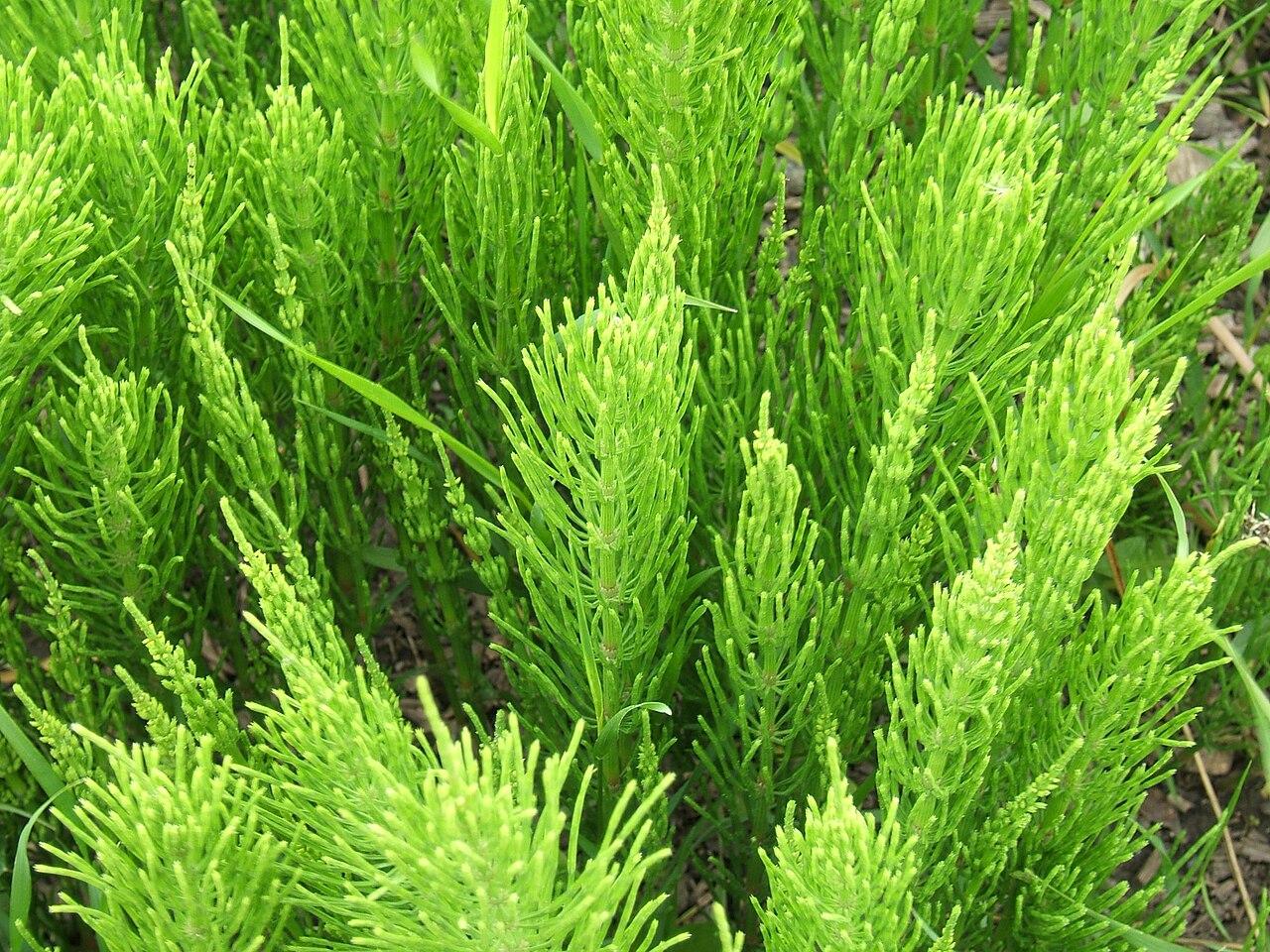
Horsetail tea is mostly used as a mild diuretic, a drink that makes you pass more urine, for minor urinary problems. The European Medicines Agency (EMA), an agency of the European Union, accepts that use only on the basis of long-standing traditional use, because there is insufficient evidence from clinical trials. We found no trial that tested horsetail tea for a health condition. The human trials we found used standardized extracts, mixtures or combination products.
People also ask about horsetail tea for hair. A review of non-drug options for hair loss says horsetail shows promise, but we found no trial of the tea for hair. One small randomized trial in healthy men did show that blood silicon rises after drinking the tea.
Safety needs care. One case report describes a woman with sudden liver failure who drank horsetail tea. Doctors first suspected the tea, but the report says its contribution is not well defined, and a lymphoma was found. A separate report describes two people on HIV medicines in whom a horsetail supplement may have interacted with their treatment. Details are in the sections below.
What horsetail tea is good for
- Urinary flushing: used as a mild diuretic for minor urinary problems; the EMA bases this on long-standing use, not on strong clinical trials
- Blood pressure: 900 mg a day of a standardized extract for 3 months lowered systolic and diastolic pressure by 12.6 and 8.1 mmHg in 58 people; an extract, not tea
- Hair: a review says horsetail shows promise for hair density; we found no trial of the tea for hair
- Silicon: blood silicon rose after healthy men drank horsetail tea; no health benefit was tested
- Safety: one liver failure case report, and one report of two cases of a possible HIV drug interaction; no pregnancy data found
Horsetail tea benefits, graded by the evidence
Strong = multiple human trials or a meta-analysis. Moderate = a few small trials. Preliminary = early, traditional or animal data.
May lower blood pressure (as a standardized extract, not tea)
Moderate evidenceIn a double-blind trial, 58 adults with stage I high blood pressure took either a standardized dry extract of Equisetum arvense (900 mg a day) or the drug hydrochlorothiazide (25 mg a day) for 3 months. With the extract, systolic and diastolic pressure fell by a mean of 12.6 and 8.1 mmHg. The abstract reports no significant difference between the extract and the drug. This was a capsule-style extract compared with a drug, not a tea and not a placebo, so it does not show that the tea lowers blood pressure.
Key evidenceCarneiro et al., Phytomedicine 2022: 58-patient double-blind RCT of an extract versus hydrochlorothiazide
Mild diuretic for minor urinary problems (flushing the urinary tract)
Preliminary evidenceThe EMA's herbal committee (HMPC) concluded that horsetail herb can be used in minor urinary problems to increase the production of urine. It based this on traditional use, with evidence of safe use for at least 30 years, including at least 15 years within the EU. It also looked at a clinical study in healthy male volunteers that suggested a mild diuretic effect, but only a few people were included and the information on the preparation used was limited. The EMA notes that cut horsetail herb is usually available as an herbal tea to be drunk.
Key evidenceEuropean Medicines Agency summary of the HMPC horsetail herb conclusions: traditional use
Fewer bladder symptoms (as a three-plant extract, not tea)
Preliminary evidenceOne hundred and fifty adults with overactive bladder took either a combination extract of three plants, one of them Equisetum arvense stem, or an identical placebo. At week 8, daytime urination was 7.69 times a day on the extract compared with 10.95 on placebo, and nighttime trips were 2.16 versus 3.14 per night. Because the product mixed three plants, the trial cannot show what horsetail did on its own, and it was not a tea.
Key evidenceSchoendorfer et al., BMC Complement Altern Med 2018: randomized double-blind placebo-controlled trial of a combination extract in adults with overactive bladder
Hair density (traditional and early research use)
Preliminary evidenceA review of non-drug options for female hair loss says saw palmetto, horsetail and pumpkin seed oil, which inhibit 5-alpha-reductase, show promise in promoting hair density and reducing hair follicle miniaturization. The same review says further studies are needed to validate the efficacy and safety of these interventions. We found no trial of horsetail tea for hair. A separate systematic review found no clinical trials of natural ingredients, horsetail plant oil among those searched, for one scarring type of hair loss called CCCA.
Key evidenceLeavitt et al., J Drugs Dermatol 2025: narrative review of non-drug options for female hair loss
Rheumatoid arthritis symptoms (as an unspecified horsetail mixture)
Preliminary evidenceIn a randomized trial, 60 people with rheumatoid arthritis were split into an experimental group and a control group. The abstract says the total effective rate was 80% in the experimental group and 16.67% in the control group. It does not say how the horsetail mixture was made or what the control group received, so this cannot be tied to tea. We could not confirm the result from the abstract alone.
Key evidenceJiang et al., Pak J Pharm Sci 2014: 60-patient RCT of a horsetail mixture
Raises silicon levels in the blood (as a tea)
Preliminary evidenceIn a randomized pilot with 12 healthy men, 1000 mL of horsetail tea or low-silicon water was drunk on three consecutive days. Peak blood silicon was 2855 µg/L after the weaker tea, compared with 294 µg/L after the low-silicon water. The trial shows that the body takes up silicon from the tea. It did not test whether that silicon helps with any health problem.
Key evidenceWaterstradt et al., Planta Med 2022: randomized three-armed pilot, 12 men
Superficial wounds (applied to the skin, not drunk)
Preliminary evidenceThe EMA's herbal committee concluded that horsetail herb preparations can also be used for treating superficial wounds. This is a traditional use. The committee noted the lack of clinical studies of horsetail herb for superficial wounds.
Is horsetail tea good for you?
- The the European Medicines Agency says horsetail herb has been used safely for minor urinary complaints for at least 30 years, in adults and adolescents over 12. That is a judgment based on traditional use, not on trial results.
- The human trials we found used extracts, mixtures or combination products, not home-brewed tea, so none of them shows that the tea works.
- Skip it for urinary complaints if a doctor has advised you to limit fluids, for example because of severe heart or kidney disease.
- Ask your clinician first if you take HIV medicines. Do not stop or change any prescribed medicine on your own.
- Allergic reactions and mild stomach complaints have been reported, and one case report links horsetail tea to liver injury, though the tea's role was not clear.
How to brew horsetail tea
1 to 2 teaspoons dried horsetail herb (Equisetum arvense) per 8 oz cup. No amount of tea has been tested, so this is an ordinary kitchen method, not a dose.
Just-boiled water, poured over the herb, covered
5 to 10 minutes
- Use only Equisetum arvense (field horsetail). A review lists a different species, marsh horsetail (Equisetum palustre), among plants that poison cattle and horses.
- Strain before drinking, and do not make it stronger than the amounts above.
How much per day
No trial has set an amount of horsetail tea that is safe or useful, so we cannot give a daily amount. The human trials used measured extracts, not tea. The EMA advises seeing a doctor or a qualified healthcare practitioner if symptoms last longer than one week.
Caffeine-free. It is not made from the tea plant (Camellia sinensis), which is where the caffeine in green and black tea comes from. Does horsetail tea have caffeine?
Side effects, interactions and who should limit it
Side effects
- Allergic reactions have been reported with horsetail herb medicines
- Mild stomach and gut complaints have been reported when horsetail herb is used for minor urinary conditions
- Diarrhea: in a trial of 12 men, a stronger horsetail tea caused diarrhea in 4 of them, while the weaker tea was well tolerated
- Liver injury: one case report of a woman with liver failure who drank horsetail tea says her doctors first suspected the tea, but a lymphoma was found and the tea's contribution is insufficiently defined
Interactions
- HIV medicines (antiretrovirals): one report of two cases describes a possible interaction with a horsetail supplement that may have led to the virus returning despite treatment. The authors advise clinicians to avoid the combination when possible. Ask your care team and do not change your medicines on your own.
- Conditions that need limited fluids, such as severe heart or kidney disease: the EMA says horsetail herb medicines must not be used for minor urinary complaints in this case
- Water pills and blood pressure medicines: we found no study of horsetail tea taken with them. Horsetail herb is itself used as a mild diuretic, so ask your clinician first.
Pregnancy and breastfeeding
We found no data on horsetail tea in pregnancy or breastfeeding, so there is no basis to call it safe. The the European Medicines Agency says horsetail herb medicines should be used only in adults and adolescents over the age of 12 years. Ask your clinician before drinking it.
Frequently asked questions
What is horsetail tea?
Horsetail tea is a caffeine-free herbal tea made from the aerial parts of the plant Equisetum arvense, also called field horsetail. The European Medicines Agency (EMA) says herbal medicines made from the cut herb are usually available as herbal tea to be drunk. It is not made from the tea plant.
Is horsetail tea good for hair?
People search for it for hair, but we found no trial of horsetail tea for hair. A recent review of non-drug options for female hair loss says saw palmetto, horsetail and pumpkin seed oil show promise in promoting hair density and reducing hair follicle miniaturization, and that further studies are needed. A separate systematic review found no clinical trials of natural ingredients, including horsetail plant oil, for a scarring type of hair loss called CCCA.
Is horsetail tea a diuretic?
It is used as a mild diuretic. The European Medicines Agency (EMA) accepts its use for minor urinary problems on the basis of long-standing use, not strong trials. It considered a clinical study in healthy male volunteers that suggested a mild diuretic effect, but only a few people were included and the information on the preparation used was limited. Do not use it for urinary complaints if you have been told to limit fluids.
Is horsetail tea safe?
The European Medicines Agency (EMA) reports allergic reactions and mild stomach and gut complaints with horsetail herb medicines. One case report links horsetail tea to liver injury in a woman with liver failure, but a lymphoma was found and the report says the tea's contribution is insufficiently defined. In a rat study, graded doses of Equisetum arvense for 14 days caused no change in liver enzymes or liver tissue. We found no study that set a safe long-term amount of the tea.
Does horsetail tea lower blood pressure?
We found no trial of the tea. One double-blind trial gave 58 adults with stage I high blood pressure a standardized dry extract (900 mg a day) or hydrochlorothiazide (25 mg a day) for 3 months. With the extract, systolic and diastolic pressure fell by a mean of 12.6 and 8.1 mmHg, and the abstract reports no significant difference from the drug. That was an extract, not a tea. Do not stop a blood pressure medicine because of this.
Does horsetail tea contain silicon and minerals?
Yes. In a randomized pilot with 12 healthy men, 1000 mL of horsetail tea raised blood silicon to a peak of 2855 µg/L, compared with 294 µg/L after low-silicon water. A lab study of tea infusions also found horsetail among those with the largest quantities of minerals, although herbal tea infusions in general cover the daily allowance for elements only to a small extent. Neither study tested a health benefit.
Who should avoid horsetail tea?
The European Medicines Agency (EMA) says horsetail herb medicines should be used only in adults and adolescents over the age of 12 years, and must not be used for minor urinary complaints when reduced fluid intake is advised, for example in severe heart or kidney disease. We found no data for pregnancy or breastfeeding. Ask your clinician first if you take HIV medicines or have had an allergic reaction to horsetail.
References
- European Medicines Agency. Equiseti herba - herbal medicinal productView source
- Waterstradt A, Winker M, Zimmermann-Klemd AM, Devi S, et al.. Silicon Resorption from Equisetum arvense Tea - A Randomized, Three-Armed Pilot Study. Planta Med (2022)View source
- Carneiro DM, Jardim TV, Araújo YCL, Arantes AC, et al.. Antihypertensive effect of Equisetum arvense L.: a double-blind, randomized efficacy and safety clinical trial. Phytomedicine (2022)View source
- Soares GL, Weffort BBV, Makarausky LVS, Juste MF, et al.. An Unforeseen Diagnosis After Liver Transplantation for Acute Liver Failure: Extranodal NK/T-Cell Lymphoma. Case Reports Hepatol (2026)View source
- Leavitt A, Hawkins SD, Kindred C, Frey C, et al.. Addressing the Root Causes of Female Hair Loss and Non-Pharmaceutical Interventions. J Drugs Dermatol (2025)View source
- Cordova E, Morganti L, Rodriguez C. Possible Drug-Herb Interaction between Herbal Supplement Containing Horsetail ( Equisetum arvense) and Antiretroviral Drugs. J Int Assoc Provid AIDS Care (2017)View source
- Schoendorfer N, Sharp N, Seipel T, Schauss AG, et al.. Urox containing concentrated extracts of Crataeva nurvala stem bark, Equisetum arvense stem and Lindera aggregata root, in the treatment of symptoms of overactive bladder and urinary incontinence: a phase 2, randomised, double-blind placebo controlled trial. BMC Complement Altern Med (2018)View source
- Ezekwe N, King M, Hollinger JC. The Use of Natural Ingredients in the Treatment of Alopecias with an Emphasis on Central Centrifugal Cicatricial Alopecia: A Systematic Review. J Clin Aesthet Dermatol (2020)View source
- Jiang X, Qu Q, Li M, Miao S, et al.. Horsetail mixture on rheumatoid arthritis and its regulation on TNF-α and IL-10. Pak J Pharm Sci (2014)View source
- Cortinovis C, Caloni F. Alkaloid-Containing Plants Poisonous to Cattle and Horses in Europe. Toxins (Basel) (2015)View source
- Baracho NC, Vicente BB, Arruda GD, Sanches BC, et al.. Study of acute hepatotoxicity of Equisetum arvense L. in rats. Acta Cir Bras (2009)View source
- Długaszek M, Kaszczuk M. Assessment of the nutritional value of various teas infusions in terms of the macro- and trace elements content. J Trace Elem Med Biol (2020)View source
Go deeper
Other teas
Is horsetail tea right for you?
Ask AskMN. It knows these studies, checks interactions with the medications you tell it about, and it is free and unlimited, no account needed.
This page is educational and is not medical advice. Herbal teas can interact with prescription medicines. Talk with a clinician or pharmacist before relying on any of them, especially if you are pregnant, breastfeeding, have a chronic condition, or take medication.