
Is kava tea safe? The liver risk comes first
Piper methysticum root (rhizome), a member of the pepper family
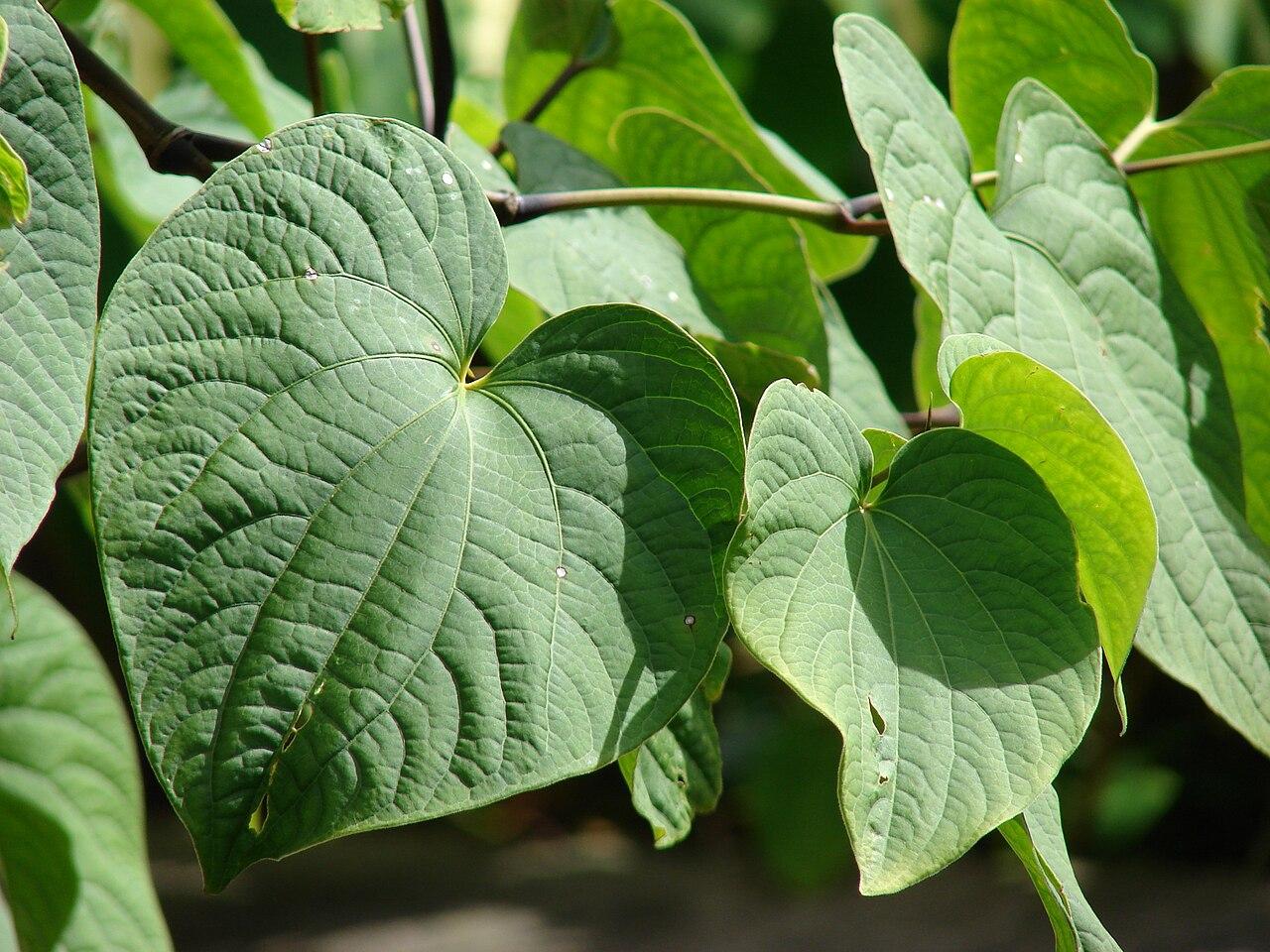
Kava tea is a drink made from the root of the kava plant, and its main known risk is liver injury. The National Center for Complementary and Integrative Health (NCCIH), part of the U.S. National Institutes of Health, says various kava products have been linked to rare cases of liver injury, some of them serious or even fatal. It adds that some cases involved kava drinks prepared with water. Memorial Sloan Kettering Cancer Center says the risk of liver damage outweighs any benefits.
Kava is native to the South Pacific, and Pacific Islanders have used kava drinks for thousands of years for ceremonies and medicine. Kava drinks are now sold at kava bars in the United States. The research on anxiety used measured kava extracts, not home-brewed tea. The results are mixed: one review found a benefit, and a larger, longer-term trial in people with generalized anxiety disorder found none.
Kava is also a sedating plant. The sources reviewed for this page advise against mixing it with alcohol or sedative medicines, and against driving after using it. People with liver or kidney problems are told not to take it. We found no trial of kava tea itself and no safe daily amount.
What kava tea is good for
- Liver: various kava products have been linked to rare cases of liver injury, some serious or fatal, and some cases involved kava drinks made with water
- Anxiety: a review of eleven trials with 645 people found kava extract lowered anxiety scores more than placebo, but a 16-week trial of 171 adults with generalized anxiety disorder found no benefit; extracts, not tea
- Sleep: no scientific evidence supports kava for insomnia
- Sedation: do not combine kava with alcohol or sedatives such as benzodiazepines, and do not drive after using it
- Pregnancy and breastfeeding: kava may carry special risks, so ask your clinician first
Kava tea benefits, graded by the evidence
Strong = multiple human trials or a meta-analysis. Moderate = a few small trials. Preliminary = early, traditional or animal data.
May ease short-term anxiety (as an extract, with mixed results)
Moderate evidenceA review of eleven placebo-controlled trials with 645 people tested kava extract for anxiety. Pooling six of the studies (345 people), Hamilton Anxiety scale scores fell more with kava extract than with placebo, a weighted mean difference of 5.0 (95% confidence interval 1.1 to 8.8). The reviewers called kava relatively safe for short-term use (1 to 24 weeks) and said more information was required. These trials used an extract, not tea, and a larger trial in generalized anxiety disorder did not find a benefit (see below).
Key evidencePittler et al., Cochrane Database Syst Rev 2003: review of 11 trials, 645 people
Generalized anxiety disorder: mixed results, and the larger trial found no benefit
Moderate evidenceIn a 16-week trial, 171 adults with generalized anxiety disorder took a kava root extract tablet (standardized to 120 mg of kavalactones, twice a day) or placebo. The difference in anxiety reduction was not significant, with a relative reduction favoring placebo of 1.37 points. At the end of the controlled phase, 17.4% of the kava group were classified as remitted, compared with 23.8% of the placebo group. A smaller 4-week trial also found no differences in its main analysis, and a network meta-analysis found kava effective as an anxiolytic but possibly ineffective in generalized anxiety disorder.
Key evidenceSarris et al., Aust N Z J Psychiatry 2020: 171-person placebo-controlled RCT
Anxiety in menopause (kava extract added to hormone therapy)
Moderate evidenceOne randomized trial in women after menopause gave hormone replacement therapy with kava extract or placebo for 6 months. Anxiety scores on the Hamilton scale fell significantly in all four groups. The fall was greater in the groups taking kava extract than in the groups on hormones only. This is one trial of an extract, not tea, and the abstract gives no figures for the size of the effect.
Key evidenceDe Leo et al., Maturitas 2001: randomized trial in postmenopausal women
Sleep and insomnia
Preliminary evidenceMSK lists insomnia as a purported use of kava and says no scientific evidence supports this use. NCCIH says there is not enough evidence to show whether kava helps any condition other than anxiety. We found no trial of kava tea for sleep.
Is kava tea good for you?
- The liver risk comes first. The National Center for Complementary and Integrative Health (NCCIH), part of the U.S. National Institutes of Health, reports rare cases of liver injury linked to kava, some serious or fatal, including kava drinks made with water, and MSK says the risk of liver damage outweighs any benefits.
- The anxiety evidence is mixed and comes from kava extracts, not tea. NCCIH says kava supplements may be helpful for anxiety, but a larger, longer-term trial in generalized anxiety disorder found no benefit.
- Do not mix kava with alcohol or sedative medicines, and do not drive or run machinery after using it.
- People with liver or kidney problems should not take it, and anyone who is pregnant or breastfeeding should talk to a clinician first.
- Governments have acted: MSK says the British, French and Swiss governments asked for kava to be removed from the market, and the Canadian government warned consumers not to use kava-containing products.
How to brew kava tea
No source reviewed for this page gives a tested or safe amount, and the liver risk is the reason to think twice. The ordinary kitchen method is 1 to 2 teaspoons of dried root per 8 oz cup, with no claim about dose.
Just-boiled water, covered
5 to 10 minutes
- A home-brewed drink is not a safer choice: NCCIH says some cases of liver injury involved kava drinks prepared with water.
- Do not drink it with alcohol or sedative medicines, and do not drive afterward.
How much per day
No source reviewed for this page gives a safe amount of kava tea. NCCIH says it has been suggested that drinking kava in large amounts or for prolonged periods may increase the risk of liver toxicity. The trials used measured extracts, such as 120 mg of kavalactones twice a day, which cannot be turned into cups of tea.
Caffeine-free. It is not made from the tea plant (Camellia sinensis), which is where the caffeine in green and black tea comes from. Does kava tea have caffeine?
Side effects, interactions and who should limit it
Side effects
- Liver injury (rare, sometimes serious or fatal): yellowing of the skin, eyes or nails, nausea or vomiting are reasons to tell a doctor right away
- Liver blood test changes: in a trial of a kava extract, liver function test abnormalities were significantly more frequent with kava than placebo, although no one met criteria for herb-induced liver injury
- Headache, dizziness, digestive upset, tremor or shakiness, poorer memory, and impaired reflexes or judgment
- Long-term or heavy use: dry, scaly, flaky skin (kava dermopathy), low blood platelets and white blood cells, respiratory problems and hearing impairment
- Kidney injury (one case report): an 18-year-old developed acute kidney injury after drinking 15 cups of kava tea, and his kidney function fully recovered after 2 weeks of treatment
Interactions
- Alcohol, benzodiazepines and other sedatives: NCCIH and MSK say kava may increase sedation. One trial of a kava extract found no negative multiplicative effects with alcohol, so the sources differ
- Acetaminophen: kava increased the liver toxicity caused by acetaminophen in laboratory studies; we found no human data
- Medicines broken down by the liver enzymes CYP1A2 or CYP2E1: kava may increase their effects and side effects, though data on CYP1A2 are conflicting
- Liver or kidney problems: MSK says kava may worsen them and lists them as a reason not to take it
- Surgery: MSK advises stopping kava before surgery because it may interact with anesthetics
Pregnancy and breastfeeding
The National Center for Complementary and Integrative Health (NCCIH), part of the U.S. National Institutes of Health, says kava may have special risks during pregnancy or while breastfeeding because of the presence of harmful pyrone constituents. We found no trial in pregnant or breastfeeding women, so ask your clinician before using it.
Frequently asked questions
Is kava tea safe?
Not without real risk. The National Center for Complementary and Integrative Health (NCCIH) says various kava products have been linked to rare cases of liver injury, some serious or even fatal, and that some cases involved kava drinks prepared with water. Memorial Sloan Kettering Cancer Center says kava is known to cause liver damage and that the risk outweighs any benefits. A case report also describes acute kidney injury in a young man after he drank 15 cups of kava tea. If you have liver or kidney problems, take medicines, drink alcohol or are pregnant, talk to a clinician first.
What are the effects of kava tea?
Kava contains kavalactones, the compounds thought to cause its effects. The National Center for Complementary and Integrative Health (NCCIH) says Pacific Islanders have used kava drinks for thousands of years for ceremonies and medicine. Memorial Sloan Kettering Cancer Center says that in studies in animals and humans these compounds appeared to provide pain relief and act as muscle relaxants and anticonvulsants. Kava can also cause impaired reflexes or judgment and may increase sedation. Whether these effects bring any health benefit is unclear.
Does kava tea help with anxiety?
Maybe a little, but the results are mixed and the research did not test tea. The National Center for Complementary and Integrative Health (NCCIH) says kava supplements may be helpful for anxiety but may need to be taken for several weeks, and that kava does not appear to be helpful for symptoms of generalized anxiety disorder. A review of eleven trials with 645 people found that kava extract appeared to be an effective symptomatic treatment compared with placebo. A larger 16-week trial of 171 adults with generalized anxiety disorder found no benefit. Memorial Sloan Kettering Cancer Center concludes that the risk of liver damage outweighs any benefits.
Does kava tea help you sleep?
We found no good evidence that it does. Memorial Sloan Kettering Cancer Center lists insomnia as a purported use of kava and says no scientific evidence supports this use. The National Center for Complementary and Integrative Health (NCCIH) says there is not enough evidence to show whether kava is helpful for any condition other than anxiety. Kava may also impair your ability to drive or operate heavy machinery.
What are the side effects of kava tea?
The National Center for Complementary and Integrative Health (NCCIH) says kava can cause digestive upset, headache, dizziness and other side effects. Long-term use of high doses may cause kava dermopathy, which is dry, scaly, flaky skin with reddened eyes and temporary yellow discoloration of the skin, hair and nails. Memorial Sloan Kettering Cancer Center adds visual disturbances and impaired reflexes or judgment, and says overdose or long-term use can cause low blood platelets and white blood cells, respiratory problems and hearing impairment. In a trial of an extract, poorer memory and tremor or shakiness were reported more often with kava than with placebo. Rare liver injury is the most serious concern.
Can I drink kava tea with alcohol or medicines?
The National Center for Complementary and Integrative Health (NCCIH) says kava should not be used together with other substances that have sedative effects, such as benzodiazepines or alcohol. Memorial Sloan Kettering Cancer Center also lists barbiturates and acetaminophen, and says kava may increase the effects and side effects of drugs handled by the liver enzymes CYP1A2 or CYP2E1. One trial of a kava extract in healthy volunteers found no negative multiplicative effects with alcohol, so the sources do not fully agree. Because kava also carries a liver risk, ask a pharmacist or clinician before combining it with anything.
Is kava tea banned?
Rules differ by country. Memorial Sloan Kettering Cancer Center says the British, French and Swiss governments have requested that kava be removed from the market, and the Canadian government has warned consumers not to use kava-containing products. The National Center for Complementary and Integrative Health (NCCIH) says kava products are sold in the United States as dietary supplements, and kava drinks are sold at kava bars. The European Medicines Agency says its herbal committee did not adopt a European Union herbal monograph for kava root.
Does kava tea fight cancer?
No human trial shows that it does, and we found no trial of kava tea for cancer. A review of lab research found 39 papers, 32 using cell models and 13 using animal studies, and 32 of the 39 reported effects that slow cell growth. That is early lab work, not proof for people. Memorial Sloan Kettering Cancer Center says kava consumption has been associated with low cancer incidence, but that one of its constituents was shown to stimulate growth of melanoma cells.
References
- Memorial Sloan Kettering Cancer Center. KavaView source
- National Center for Complementary and Integrative Health. Kava: Usefulness and SafetyView source
- Sarris J, Byrne GJ, Bousman CA, Cribb L, et al.. Kava for generalised anxiety disorder: A 16-week double-blind, randomised, placebo-controlled study. Aust N Z J Psychiatry (2020)View source
- Pittler MH, Ernst E. Kava extract for treating anxiety. Cochrane Database Syst Rev (2003)View source
- De Leo V, la Marca A, Morgante G, Lanzetta D, et al.. Evaluation of combining kava extract with hormone replacement therapy in the treatment of postmenopausal anxiety. Maturitas (2001)View source
- Brotherton K, Chacko B. Case Report: Something Is Brewing. Nephrology (Carlton) (2025)View source
- Herberg KW. [Effect of Kava-Special Extract WS 1490 combined with ethyl alcohol on safety-relevant performance parameters]. Blutalkohol (1993)View source
- Connor KM, Davidson JR. A placebo-controlled study of Kava kava in generalized anxiety disorder. Int Clin Psychopharmacol (2002)View source
- Celentano A, Tran A, Testa C, Thayanantha K, et al.. The protective effects of Kava (Piper Methysticum) constituents in cancers: A systematic review. J Oral Pathol Med (2019)View source
- Zhang W, Yan Y, Wu Y, Yang H, et al.. Medicinal herbs for the treatment of anxiety: A systematic review and network meta-analysis. Pharmacol Res (2022)View source
- Wanwimolruk S, Phopin K, Prachayasittikul V. Cytochrome P450 enzyme mediated herbal drug interactions (Part 2). EXCLI J (2014)View source
- European Medicines Agency. Piperis methystici rhizoma - herbal medicinal productView source
Guides that rank kava tea
Go deeper
Other teas
Is kava tea right for you?
Ask AskMN. It knows these studies, checks interactions with the medications you tell it about, and it is free and unlimited, no account needed.
This page is educational and is not medical advice. Herbal teas can interact with prescription medicines. Talk with a clinician or pharmacist before relying on any of them, especially if you are pregnant, breastfeeding, have a chronic condition, or take medication.