
What is marshmallow root tea good for?
Althaea officinalis L., the dried root
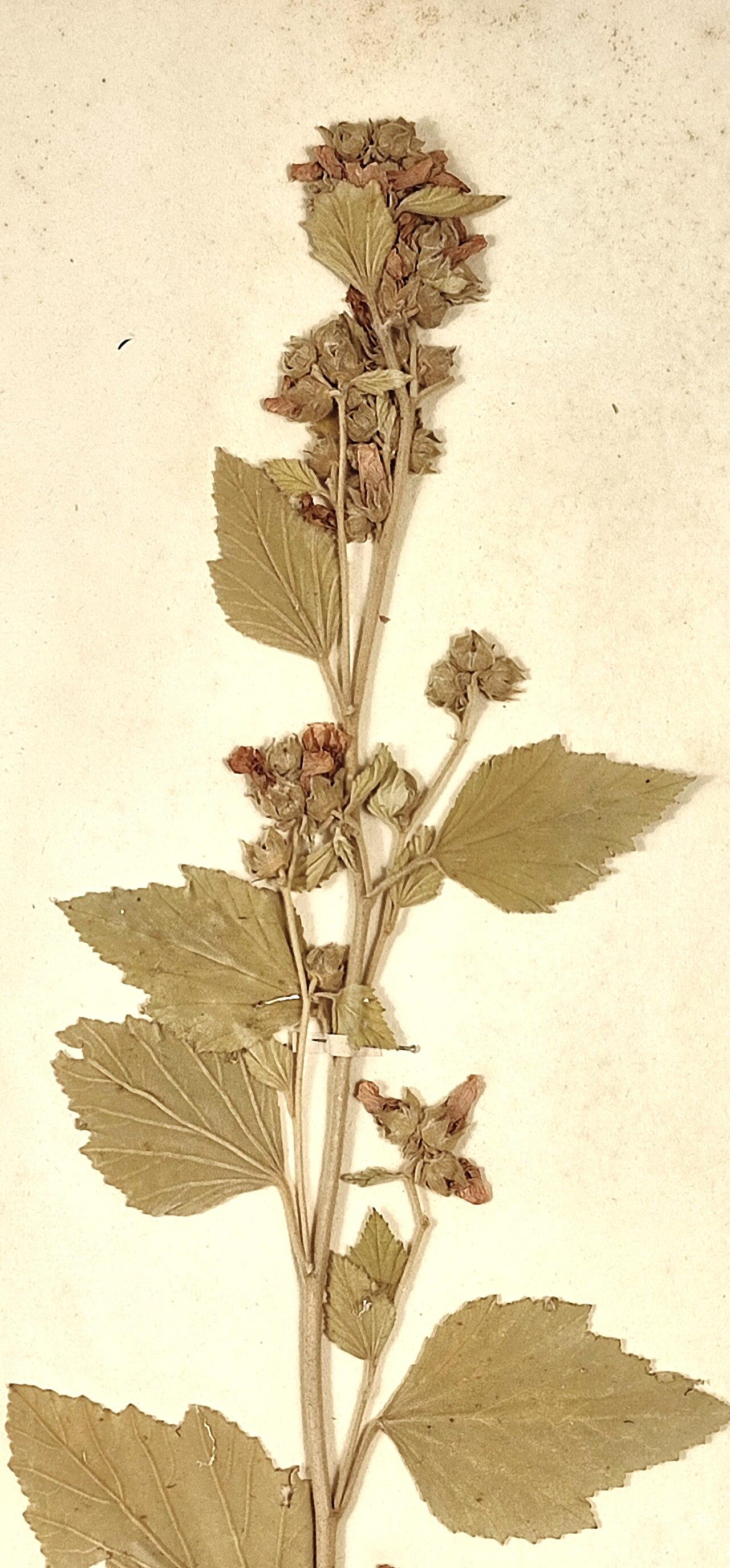
Marshmallow root tea is traditionally used to soothe an irritated mouth or throat and the dry cough that goes with it. It is also used for mild stomach and gut discomfort. Marshmallow root is the dried root of the plant Althaea officinalis. The European Medicines Agency (EMA), the medicines regulator of the European Union, says herbal medicines made from it are usually available as a herbal tea to drink.
The evidence for the tea itself is thin. The EMA's Committee on Herbal Medicinal Products based its conclusions on long-standing use and said there is insufficient evidence from clinical trials. The human studies in the sources reviewed for this page tested syrup, drops, combination products, or marshmallow root in a form the abstract did not state. None tested a plain tea.
Safety looks reassuring at first, but quality matters. No side effects had been reported when the EMA's committee reviewed it. Still, one case report describes two adults who became severely ill after a marshmallow root remedy that was contaminated with atropine. Below is what each source tested and what it found.
What marshmallow root tea is good for
- Sore throat and mouth irritation: used traditionally; no trial of plain marshmallow root tea
- Dry cough: used traditionally; studies of syrup in around 900 children and drops in 63 adults had gaps, and none tested tea
- Mild stomach upset: used traditionally; no trial found in the sources reviewed
- Dry mouth: 15 people used marshmallow root for 2 weeks and had less dry mouth afterward; a comparison spray did better; form of the root not stated
- Safety: no side effects reported in the European Medicines Agency's review; one case of poisoning from a contaminated remedy
Marshmallow root tea benefits, graded by the evidence
Strong = multiple human trials or a meta-analysis. Moderate = a few small trials. Preliminary = early, traditional or animal data.
Irritated mouth or throat (traditional use)
Preliminary evidenceThe European Medicines Agency's committee concluded that marshmallow root preparations can be used for irritation of the mouth or throat, based on long-standing use and not on firm trial results. One randomized trial gave 238 outpatients aged 6-18 years with acute tonsillitis either a multi-herb extract that includes marshmallow root, on top of standard care, or standard care alone. Treatment responders rose to 81.6% versus the control group. The extract held several herbs and was not tea, so the trial cannot show what marshmallow root did on its own. It was also open-label, so there was no placebo.
Key evidencePopovych et al., Am J Otolaryngol 2019: 238-patient open-label RCT of a multi-herb extract (BNO 1030); European Medicines Agency herbal summary, 2016
Dry cough (traditional use)
Preliminary evidenceThe European Medicines Agency's committee looked at two studies of marshmallow root syrup in around 900 children with throat irritation and dry cough. Coughing went down, but firm conclusions could not be drawn because the syrup was not compared with any other treatment. A further study in 63 adults found that marshmallow root drops reduced cough while people on placebo had no change, but the preparation was not described well enough. A separate open trial of 62 patients used a combined syrup with ivy, thyme and aniseed along with marshmallow root mucilage. All symptom scores improved, but the blend had several herbs. None of these tested tea.
Key evidenceEuropean Medicines Agency herbal summary, 2016; Büechi et al., Forsch Komplementarmed Klass Naturheilkd 2005: open trial of a combined syrup, 62 patients
Mild stomach and gut discomfort (traditional use)
Preliminary evidenceThe European Medicines Agency's committee said marshmallow root preparations can be used to relieve mild stomach and gut discomfort in adults and adolescents over the age of 12 years. This rests on long-standing use. We found no clinical trial of marshmallow root or its tea for this use in the sources reviewed. The agency says to consult a doctor or a qualified healthcare practitioner if the discomfort lasts longer than 2 weeks.
Key evidenceEuropean Medicines Agency herbal summary of the HMPC conclusions, 2016: traditional use, no trial
Dry mouth (one small trial)
Preliminary evidenceIn a randomized trial of 60 people with low saliva flow, 15 used marshmallow root four times a day for 2 weeks. The others used an oral spray (30 people) or a commercial saliva substitute (15 people). Dry mouth was lower after therapy whatever product was used, but the authors found the spray superior to marshmallow root. The abstract does not say what form of marshmallow root was used, and the trial had no placebo group. A panel of integrative cancer nursing experts also listed marshmallow root tea among the procedures it rated effective, also for dry mouth, from clinical experience. The trials that panel found were on other products such as propolis and ice cubes, not marshmallow root.
Key evidenceSkrinjar et al., Clin Oral Investig 2015: 60-patient randomized trial; Steinmann et al., Integr Cancer Ther 2021: expert consensus guideline
Is marshmallow root tea good for you?
- For most healthy adults, marshmallow root tea is a traditional, gentle option for a scratchy throat, a dry cough or mild stomach upset. None of these uses is proven by trials of the tea.
- The best support is long use. The European Medicines Agency's committee said there is insufficient evidence from clinical trials, and the studies it reviewed did not test tea.
- No side effects had been reported at the time of that review. But a case report shows that a contaminated marshmallow root remedy sent two adults to an emergency department, so product quality matters.
- See a doctor if throat irritation or dry cough lasts longer than 1 week, or if stomach discomfort lasts longer than 2 weeks.
- If you are pregnant or breastfeeding, ask your clinician first. We found no data on the tea in either case.
How to brew marshmallow root tea
1 to 2 teaspoons of dried, cut marshmallow root per 8 oz cup
Just-boiled water, poured over the root
5 to 10 minutes, covered
- Keep the cup covered while it steeps.
- Strain before drinking.
How much per day
We found no trial or monograph in the sources reviewed that sets a daily amount for marshmallow root tea, so we cannot give one. The European Medicines Agency says to consult a doctor if symptoms last longer than 1 week for mouth or throat irritation and dry cough, or longer than 2 weeks for mild stomach and gut discomfort.
Caffeine-free. It is not made from the tea plant (Camellia sinensis), which is where the caffeine in green and black tea comes from. Does marshmallow root tea have caffeine?
Side effects, interactions and who should limit it
Side effects
- None were reported with marshmallow root medicines at the time of the European Medicines Agency's committee review, and the tea has not been studied in detail
- Poisoning from a contaminated product, not from the root itself: a man and a pregnant woman had severe anticholinergic syndrome after a marshmallow root remedy that contained atropine, and both were released from hospital after a short stay in intensive care
Interactions
- No interaction studies of marshmallow root tea were found in the sources reviewed. Ask your pharmacist if you take regular medicines.
- Gentamicin (an antibiotic): in rats, a high dose of marshmallow flower extract made gentamicin kidney damage worse. This was a flower extract in animals, not the tea in people, and no human data were found.
Pregnancy and breastfeeding
We found no study of marshmallow root tea in pregnancy or breastfeeding, so ask your clinician before drinking it regularly. A case report describes a pregnant woman who became severely ill after a marshmallow root remedy that was found to be contaminated with atropine.
Frequently asked questions
What is marshmallow root tea good for?
It is traditionally used for irritation of the mouth or throat and the dry cough that goes with it, and for mild stomach and gut discomfort. The European Medicines Agency says this rests on long-standing use and that clinical trial evidence is insufficient. We found no trial of plain marshmallow root tea.
What is marshmallow root?
Marshmallow root is the dried root of the plant Althaea officinalis. The European Medicines Agency says its conclusions cover the root cut into tiny pieces, a syrup, and extracts. It says medicines made from them are usually available as herbal tea to drink, or in solid or liquid forms to take by mouth or use in the mouth.
Does marshmallow root tea help a sore throat or cough?
It is traditionally used for both, but the proof is limited. The European Medicines Agency's committee reviewed two studies of marshmallow root syrup in around 900 children and one study of drops in 63 adults. Cough went down in those studies, but they had gaps, and none tested tea. A multi-herb extract that includes marshmallow root was tried in 238 young people with tonsillitis, which cannot show what the root does alone.
Is marshmallow root tea safe?
No side effects had been reported when the European Medicines Agency's committee assessed marshmallow root medicines. One case report is a warning about quality. A man and a pregnant woman went to an emergency department with severe anticholinergic syndrome, a poisoning reaction, after using a marshmallow root remedy that was contaminated with atropine. The estimated atropine dose was 20-200 mg, while 2 mg is already considered mildly toxic. Both were released from hospital after a short stay in intensive care.
Can children drink marshmallow root tea?
The European Medicines Agency says marshmallow root medicines for mouth or throat irritation and dry cough can usually be used in adults, adolescents and children over the age of 3 years. For mild stomach and gut discomfort the age is over 12 years. Medicines with ethanol extracts of marshmallow root can only be used in adults, due to lack of adequate data. We found no study of the tea in young children and give no dose.
Is marshmallow root tea safe in pregnancy?
We found no study of marshmallow root tea in pregnancy or breastfeeding, so ask your clinician before drinking it regularly. A case report describes a pregnant woman who became severely ill after a marshmallow root remedy. The herbs were found to be contaminated with atropine.
Does marshmallow root tea help dry mouth?
Possibly, but the evidence is weak. In a randomized trial of 60 people with low saliva flow, 15 used marshmallow root for 2 weeks, and dry mouth was lower afterward. A spray did better than marshmallow root, and the abstract does not say what form of the root was used. A panel of integrative cancer nursing experts also rated marshmallow root tea as effective from clinical experience, also for dry mouth.
References
- European Medicines Agency. Althaeae radix - herbal medicinal productView source
- Oerlemans C, de Vries I, van Riel AJHP. [Anticholinergic syndrome caused by contaminated herbal tea; acting swiftly to identify the source]. Ned Tijdschr Geneeskd (2017)View source
- Skrinjar I, Vucicevic Boras V, Bakale I, Andabak Rogulj A, et al.. Comparison between three different saliva substitutes in patients with hyposalivation. Clin Oral Investig (2015)View source
- Popovych V, Koshel I, Malofiichuk A, Pyletska L, et al.. A randomized, open-label, multicenter, comparative study of therapeutic efficacy, safety and tolerability of BNO 1030 extract, containing marshmallow root, chamomile flowers, horsetail herb, walnut leaves, yarrow herb, oak bark, dandelion herb in the treatment of acute non-bacterial tonsillitis in children aged 6 to 18 years. Am J Otolaryngol (2019)View source
- Büechi S, Vögelin R, von Eiff MM, Ramos M, et al.. Open trial to assess aspects of safety and efficacy of a combined herbal cough syrup with ivy and thyme. Forsch Komplementarmed Klass Naturheilkd (2005)View source
- Steinmann D, Babadağ Savaş B, Felber S, Joy S, et al.. Nursing Procedures for the Prevention and Treatment of Mucositis Induced by Cancer Therapies: Clinical Practice Guideline Based on an Interdisciplinary Consensus Process and a Systematic Literature Search. Integr Cancer Ther (2021)View source
- Talebi A, Karimi A, Ouguerram K, Vahidi-Ataabadi N, et al.. Lack of nephroprotective efficacy of althaea officinalis flower extract against gentamicin renal toxicity in male rats. Int J Prev Med (2014)View source
Guides that rank marshmallow root tea
Go deeper
Other teas
Is marshmallow root tea right for you?
Ask AskMN. It knows these studies, checks interactions with the medications you tell it about, and it is free and unlimited, no account needed.
This page is educational and is not medical advice. Herbal teas can interact with prescription medicines. Talk with a clinician or pharmacist before relying on any of them, especially if you are pregnant, breastfeeding, have a chronic condition, or take medication.