
What Is Mullein Tea Good For? Lungs, Cough, Evidence and How to Brew It
Verbascum thapsus (great mullein) dried leaf and flower
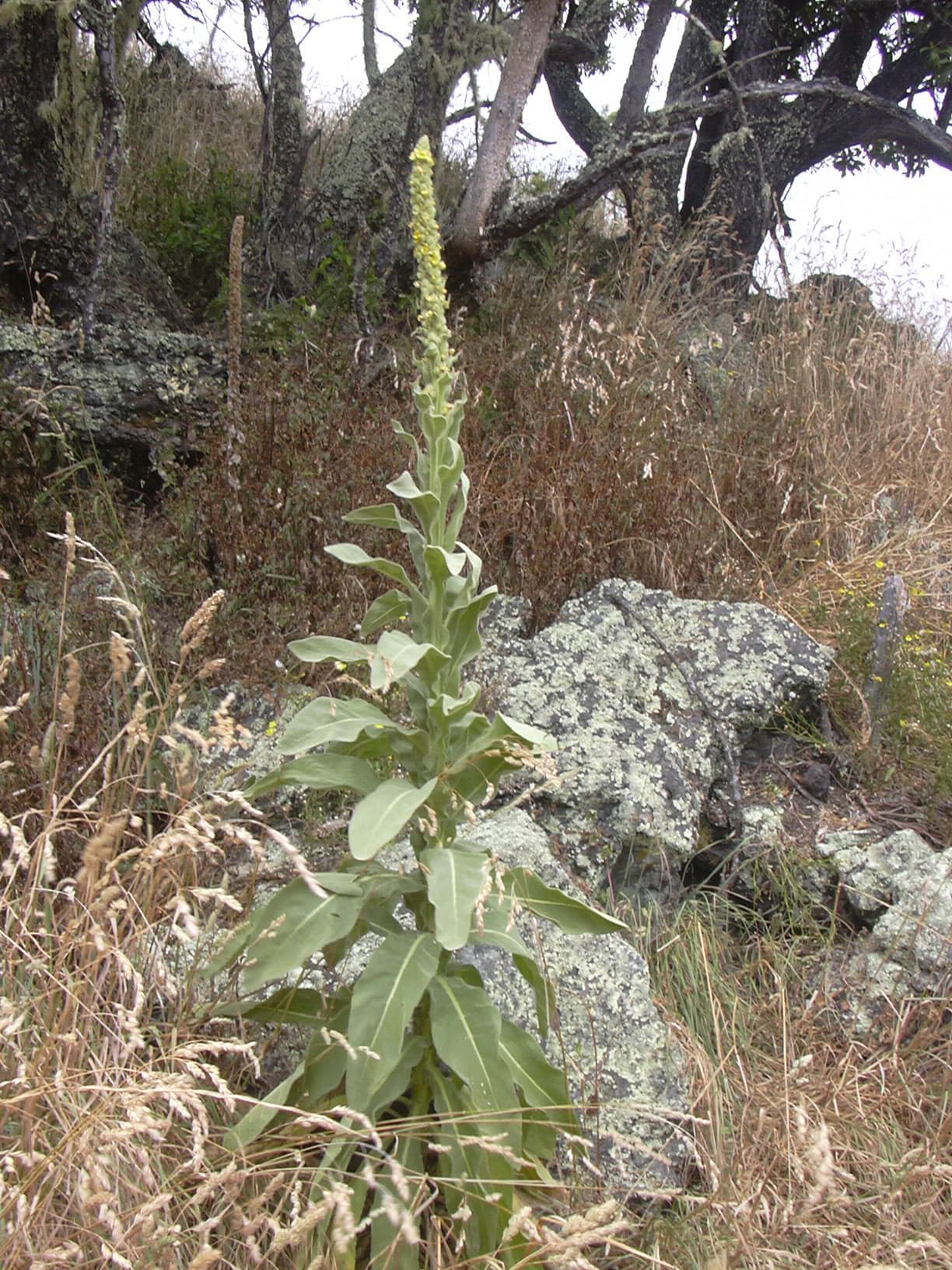
Mullein tea is good for a productive cough, the tickly throat that comes with a chest cold, and soothing irritated airway linings, which is exactly what European herbal regulators recognise it for: a traditional expectorant for coughs associated with colds. It is one of the oldest respiratory herbs in Europe and North America, and almost every 'mullein tea for lungs' claim online descends from that tradition.
The honest part is that the tradition has not been tested in people. There are no randomised trials of mullein tea for cough, bronchitis, asthma, COPD or anything else in the lungs. What exists is a coherent set of laboratory findings: the plant is about 3% mucilage, which coats and calms irritated membranes; it contains saponins that loosen mucus in the same way as other expectorant herbs; and its extracts have shown antibacterial and antiviral activity in test tubes, including against influenza and the bacteria behind pneumonia. That is enough to call it plausible and low-risk, not enough to call it proven.
This page grades each claim by the evidence that actually exists, gives real brewing numbers (and the one step people skip, straining out the irritating hairs), and sets out who should be careful. If you have a cough lasting more than three weeks, blood in your sputum, wheeze, fever or breathlessness, those need a clinician, not a herb.
What mullein tea is good for
- Wet cough and chest cold — recognised in the EU as a traditional expectorant for cough with colds; no human trials of the tea
- Sore, irritated throat — around 3% mucilage coats the throat and quiets the cough reflex, a demulcent effect shared with marshmallow root
- Loosening mucus — triterpene saponins thin and mobilise phlegm in laboratory and traditional use
- Germs in the airway — leaf and flower extracts inhibited influenza virus, Klebsiella pneumoniae and Staphylococcus aureus in test tubes
- Ear pain — the only randomised trial of mullein in humans used ear drops with garlic and other herbs, not tea
- Lungs long term — no evidence it 'cleans', repairs or restores lung tissue, in smokers or anyone else
Mullein tea benefits, graded by the evidence
Strong = multiple human trials or a meta-analysis. Moderate = a few small trials. Preliminary = early, traditional or animal data.
Eases a productive cough with a cold (expectorant)
Preliminary evidenceThe European Medicines Agency's herbal monograph accepts mullein flower as a traditional medicine 'used as an expectorant in cough associated with cold', at 3 to 4 g of dried flower in tea up to three times a day, on the basis of more than 30 years of documented use rather than clinical trials. The German Commission E approved mullein flower for catarrh of the respiratory tract for the same reason. The mechanism is the combination of saponins (verbascosaponin) that loosen mucus and mucilage that soothes the cough reflex. No placebo-controlled study has measured cough frequency, sputum or recovery time in people drinking mullein tea.
Key evidenceEMA Committee on Herbal Medicinal Products, Verbasci flos monograph 2018
Soothes an irritated throat and airway lining (demulcent)
Preliminary evidenceMullein leaf and flower contain roughly 3% mucilage, a gel-forming polysaccharide that coats the throat and upper airway, reducing the scratchy sensation that triggers dry coughing. This is the same demulcent mechanism as marshmallow root and slippery elm, for which small human trials of lozenges and syrups have shown reduced cough and throat irritation. For mullein itself the evidence is the chemistry plus consistent traditional use; drinking the tea warm, slowly and often is how that mucilage does its job, since it works by contact rather than absorption.
Antibacterial activity against respiratory bacteria
Preliminary evidenceIn a laboratory screening of common mullein, water and ethanol extracts of the leaf inhibited the growth of Klebsiella pneumoniae, Staphylococcus aureus, Staphylococcus epidermidis and Escherichia coli, and later studies found activity against Streptococcus and Bacillus species. These are test-tube results at concentrations that may not be reached in the throat by drinking tea, and there is no human study showing mullein prevents or shortens bacterial chest infections. Treat it as a reason the tradition is not far-fetched, not as a substitute for antibiotics when they are needed.
Key evidenceTurker & Camper, Journal of Ethnopharmacology 2002 (in-vitro screening)
Antiviral activity against influenza and herpes viruses
Preliminary evidenceExtracts of Verbascum thapsus inhibited influenza A and B viruses and herpes simplex virus type 1 in cell cultures, and some Verbascum species extracts have shown activity against other respiratory viruses in the lab. The active fractions include the iridoid glycosides aucubin and catalpol and the phenylethanoid verbascoside. None of this has been tested in people with flu or colds, so the clinical relevance of drinking mullein tea during an infection is unknown; it is a lead for research, not a treatment.
Key evidenceRajbhandari et al., Evidence-Based Complementary and Alternative Medicine 2009 (in-vitro antiviral)
Reduces inflammation
Preliminary evidenceVerbascoside, the plant's main phenylethanoid glycoside, is a well-studied anti-inflammatory and antioxidant in laboratory models, where it lowers inflammatory cytokines and scavenges free radicals; aucubin shows similar effects. Rodent studies of mullein extracts report reduced swelling in inflammatory models. Whether a cup of tea delivers enough verbascoside to dampen airway inflammation in a person has not been measured, and the compound is poorly absorbed from the gut, so the most defensible claim is local soothing rather than systemic anti-inflammatory action.
Relieves ear pain (herbal ear drops, not tea)
Moderate evidenceThe one randomised trial of mullein in humans is for the ear, not the lungs. In 103 children with ear pain from acute otitis media, naturopathic drops containing mullein flower, garlic, calendula and St John's wort in olive oil reduced pain over three days about as well as anaesthetic ear drops, with or without antibiotics. Mullein was one of four herbs and the drops were applied in the ear canal, so this says nothing about drinking the tea, but it is the only human trial and it is honest to say so.
Key evidenceSarrell, Mandelberg & Cohen, Archives of Pediatrics & Adolescent Medicine 2001; 103 children
Is mullein tea good for you?
- Yes, mullein tea is a safe, caffeine-free, soothing drink for a cold with a chesty cough, and its traditional use as an expectorant is recognised by European regulators.
- No, it is not proven for the lungs: there are no human trials for cough, bronchitis, asthma, COPD or 'cleaning' the lungs after smoking, and nothing in it repairs lung tissue.
- Always strain it through a fine filter or coffee filter; the plant's tiny hairs can irritate the throat you are trying to soothe.
- Limit it if you take lithium or diuretics (traditional mild diuretic effect), and avoid it in pregnancy and breastfeeding because there are no safety data.
- See a clinician for a cough that lasts more than three weeks, wheeze, breathlessness, fever that does not settle, chest pain or blood in your phlegm; none of those is a tea problem.
How to brew mullein tea
1 to 2 tablespoons (1.5 to 2 g; the dried leaf is very light) of dried mullein leaf or flower per 8 oz.
200 to 212°F / 93 to 100°C, boiling or just off it.
10 to 15 minutes covered, then strain through a paper coffee filter or fine muslin, not a wire mesh.
- Straining matters more here than for any other herb: the fine hairs (trichomes) on the leaf tickle and irritate the throat if they get through.
- Add a spoon of honey once the tea has cooled slightly; honey has its own trial evidence for night-time cough in children over one year.
- Mullein pairs well with thyme for a wet cough and with marshmallow root or licorice for a dry, scratchy one.
How much per day
Two to three cups a day while you have a cold, following the EMA's traditional dose of 3 to 4 g of flower or leaf up to three times daily, for no more than a week or two. There is no reason to drink it daily when you are well, and no data on long-term use.
Caffeine-free. Mild, slightly sweet and hay-like; the flowers taste gentler than the leaf.
Side effects, interactions and who should limit it
Side effects
- Throat tickle or irritation from leaf hairs if the tea is not filtered well
- Contact dermatitis in some people who handle the fresh plant
- Mild stomach upset or loose stools at large doses
- Allergic reactions, rare but reported, especially in people with pollen sensitivities
- Possible increased urination from a mild traditional diuretic effect
Interactions
- Lithium: a mild diuretic effect could alter lithium clearance; avoid regular use without checking with a prescriber
- Diuretics (furosemide, hydrochlorothiazide): theoretical additive fluid loss
- Sedatives and sleep medicines: mullein is traditionally mildly sedating; additive drowsiness is possible but unstudied
- No clinically documented drug interactions exist, but that reflects an absence of studies rather than proof of safety; separate it from medicines by two hours to be cautious
Pregnancy and breastfeeding
There are no safety studies of mullein in pregnancy or breastfeeding, so avoid it or use it only briefly after speaking with your midwife or doctor. Honey and lemon in hot water, or ginger tea, are better-studied options for a cold during pregnancy.
Frequently asked questions
Does mullein tea really help your lungs?
It can soothe a cough and loosen phlegm during a chest cold, which is what it has been used for across centuries and what European regulators recognise. It does not 'clean', repair or strengthen lung tissue, and no human trial has tested it for asthma, COPD, bronchitis or recovery from smoking. For those conditions, see a doctor; mullein is for comfort while a cold runs its course.
Is mullein tea good for a dry cough or a wet cough?
Both, for different reasons. Its mucilage coats an irritated throat, which helps a dry, tickly cough, while its saponins thin mucus so a wet cough becomes more productive. If your cough is dry and scratchy, add marshmallow root or honey; if it is chesty, thyme is a good partner.
Can you smoke mullein instead of drinking it?
Mullein has been smoked traditionally, but inhaling any combusted plant material delivers tar, carbon monoxide and irritant particles into the lungs you are trying to help. There is no evidence smoking it does anything a cup of tea does not, and good reason to think it does harm, so tea or steam is the sensible route.
How long does mullein tea take to work?
The soothing effect on a scratchy throat is immediate, because the mucilage works on contact. Any help loosening mucus builds over a day or two of drinking two to three cups. If a cough is no better after two to three weeks, stop guessing and see a clinician.
Does mullein tea have side effects?
Few. The commonest problem is throat irritation from unfiltered leaf hairs, which proper straining prevents. Some people get a mild stomach upset or a skin reaction from handling the plant. The seeds contain rotenone and should never be used. There are no documented drug interactions, mostly because nobody has looked.
Is it safe to drink mullein tea every day?
During a cold, two to three cups a day for one to two weeks is in line with traditional dosing. There is no evidence of harm from longer use but also no safety data, so it is a tea for when you are ill, not a daily tonic. Pregnant or breastfeeding women and people on lithium should skip it.
References
- European Union herbal monograph on Verbascum thapsus L., V. densiflorum Bertol. (V. thapsiforme Schrad.) and V. phlomoides L., flos. European Medicines Agency, Committee on Herbal Medicinal Products (2018)
- Turker AU, Camper ND. Biological activity of common mullein, a medicinal plant. Journal of Ethnopharmacology (2002)
- Turker AU, Gurel E. Common mullein (Verbascum thapsus L.): recent advances in research. Phytotherapy Research (2005)
- Rajbhandari M, Mentel R, Jha PK, et al.. Antiviral activity of some plants used in Nepalese traditional medicine. Evidence-Based Complementary and Alternative Medicine (2009)
- Sarrell EM, Mandelberg A, Cohen HA. Efficacy of naturopathic extracts in the management of ear pain associated with acute otitis media. Archives of Pediatrics & Adolescent Medicine (2001)
- Alipieva K, Korkina L, Orhan IE, Georgiev MI. Verbascoside: a review of its occurrence, (bio)synthesis and pharmacological significance. Biotechnology Advances (2014)
- Mullein (Verbascum thapsus) monograph. Blumenthal M (ed.), The Complete German Commission E Monographs, American Botanical Council (1998)
- Oduwole O, Udoh EE, Oyo-Ita A, Meremikwu MM. Honey for acute cough in children. Cochrane Database of Systematic Reviews (2018)
Guides that rank mullein tea
Go deeper
Other teas
Is mullein tea right for you?
Ask AskMN. It knows these studies, checks interactions with the medications you tell it about, and it is free and unlimited, no account needed.
Ask about mullein teaThis page is educational and is not medical advice. Herbal teas can interact with prescription medicines. Talk with a clinician or pharmacist before relying on any of them, especially if you are pregnant, breastfeeding, have a chronic condition, or take medication.