
What is passionflower tea good for?
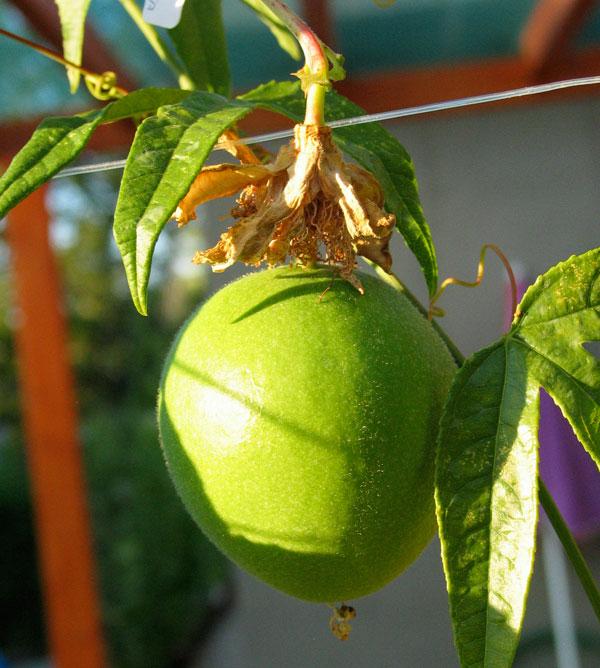
Passiflora incarnata, a climbing vine; the above-ground parts are used
Passionflower tea is used for sleep and for easing mild stress and anxiety, but the evidence for the tea itself is thin. The only trial of passionflower tea on its own that we found followed 41 healthy adults, each for a week on passionflower tea and a week on placebo tea. Sleep quality was rated better with passionflower in that trial. Most other trials used extracts, drops or capsules, not tea.
Passionflower tea is made from Passiflora incarnata, a climbing vine native to the southeastern United States and Central and South America. The National Center for Complementary and Integrative Health (NCCIH), part of the U.S. National Institutes of Health, says passionflower has traditionally been used as a sedative and has not been studied extensively. The European Medicines Agency (EMA) concluded that these preparations can be used for mild symptoms of mental stress and to aid sleep, based on long use and not on trial evidence.
Passionflower should not be used in pregnancy, it can make you sleepy, and it may add to the effects of sedating medicines. Here is what each study tested, how to brew it at home, and who should skip it.
What passionflower tea is good for
- Sleep quality: in 41 healthy adults, a cup of passionflower tea for a week was rated better for sleep quality than placebo tea; one small trial
- Insomnia: a passionflower extract (not tea) raised total sleep time more than placebo in 110 adults over 2 weeks
- Anxiety: a pilot extract trial in 36 people found no significant difference from the anxiety drug oxazepam; reviews disagree on how strong the evidence is
- Before surgery: results are mixed, and a U.S. government fact sheet says to avoid passionflower before surgery unless a health care provider recommends it
- Pregnancy: U.S. health sources say do not use passionflower
- Side effects: drowsiness, dizziness and confusion are possible, and it may add to the effects of sedating medicines
Passionflower tea benefits, graded by the evidence
Strong = multiple human trials or a meta-analysis. Moderate = a few small trials. Preliminary = early, traditional or animal data.
Better self-rated sleep quality in healthy adults (the tea itself)
Moderate evidenceIn a double-blind, placebo-controlled crossover trial, 41 healthy adults aged 18 to 35 drank a cup of passionflower tea or placebo tea and kept a sleep diary for 7 days on each. Sleep quality was rated significantly better with passionflower than with placebo (t(40) = 2.70, p < 0.01), out of six sleep-diary measures analyzed. The authors called these initial findings and described short-term benefits in healthy adults with mild changes in sleep quality. This is one small trial of self-reported sleep.
Key evidenceNgan and Conduit, Phytother Res 2011: 41-person double-blind crossover trial of passionflower tea
Longer sleep time in people with insomnia (as an extract, not tea)
Moderate evidenceIn a double-blind trial, 110 adults with insomnia disorder took a passionflower extract or placebo for 2 weeks. Total sleep time on an overnight sleep test rose more with passionflower than with placebo (23.05 versus -0.16, P = 0.049). Sleep efficiency and time awake after falling asleep improved in the passionflower group, but not more than with placebo. A second trial of a standardized extract, taken at bedtime for 30 days by 65 people with stress and insomnia, reported lower stress scores and more total sleep time than placebo.
Key evidenceLee et al., Int Clin Psychopharmacol 2020: 110-patient double-blind placebo-controlled RCT of an extract
Eases generalized anxiety (as an extract, in a small trial)
Moderate evidenceIn a pilot double-blind trial, 36 outpatients with generalized anxiety disorder took passionflower extract (45 drops a day) or the anxiety drug oxazepam (30 mg a day) for 4 weeks. The two groups did not differ significantly at the end. Oxazepam worked faster, but more problems with job performance were reported on oxazepam. Reviews disagree: a Cochrane review found only two trials with a total of 198 participants and said there were too few to draw conclusions, while another review called the evidence for passionflower in anxiety disorders high-quality. A network meta-analysis of 29 trials of medicinal herbs found passionflower did not reduce Hamilton Anxiety Scale scores significantly (MD -4.20, 95% CrI -8.82 to 0.16), but called it worthy of further study.
Key evidenceAkhondzadeh et al., J Clin Pharm Ther 2001: 36-patient double-blind RCT of an extract versus oxazepam
May ease nerves before surgery (as an extract; results mixed)
Moderate evidenceIn a double-blind trial, 60 surgery patients were randomized to oral passionflower (500 mg) or placebo 90 minutes before surgery. Anxiety scores were significantly lower with passionflower (P < 0.001), and the authors reported no added sedation. A trial of a calming tea blend that contained passionflower and two other herbs, Matricaria recutita and Pimpinella anisum, in 210 surgery patients found no significant difference in anxiety from a placebo tea. NCCIH says a small amount of research suggests passionflower might help, but conclusions are not definite.
Key evidenceMovafegh et al., Anesth Analg 2008: 60-patient double-blind placebo-controlled RCT
Relief of mild mental stress and help with sleep (traditional use)
Preliminary evidenceThe European Medicines Agency's herbal committee concluded that passion flower preparations can be used for mild symptoms of mental stress and to aid sleep, based on long-standing use. It said there is evidence of safe use for at least 30 years, including at least 15 years in the EU. The committee also looked at published clinical studies, but said the low number of patients and serious design shortcomings prevented any firm conclusions. These preparations are usually available as herbal teas or as forms taken by mouth.
Key evidenceEMA Committee on Herbal Medicinal Products summary for the public: traditional-use conclusion, not based on trials
Is passionflower tea good for you?
- For healthy adults who are not pregnant, a cup in the evening for a few nights is a reasonable short-term try: a U.S. fact sheet says the tea may be safe for up to 7 nights. The evidence for the tea is one small sleep trial.
- Most anxiety and insomnia trials used extracts, not tea, so they cannot say what a cup of tea does. Reviews disagree on how strong the evidence is, and none of it proves passionflower works for anxiety or insomnia.
- Do not use passionflower in pregnancy. U.S. sources say it may cause uterine contractions.
- It can cause drowsiness, dizziness and confusion, and it may add to the effects of sedating medicines and anesthesia. Ask your clinician or pharmacist first if you take any medicine, and avoid it before surgery unless your provider says it is fine.
- The European Medicines Agency advises seeing a doctor if symptoms last more than 2 weeks or get worse.
How to brew passionflower tea
1 to 2 teaspoons of dried passionflower herb per 8 oz cup. The sources reviewed for this page give no tea amount, so this is the ordinary kitchen method, not a studied dose.
Just-boiled water, poured over the herb
5 to 10 minutes, covered
- Cover the cup while it steeps, then strain before drinking.
- In the one sleep trial, people drank a cup of the tea and kept a sleep diary for 7 days. The trial summary gives no cup size or strength.
How much per day
No source reviewed for this page sets a safe daily amount of passionflower tea. A U.S. fact sheet says it may be safe taken as a tea for up to 7 nights, and daily passionflower extract may be safe for up to 8 weeks. The European Medicines Agency says to see a doctor if symptoms last more than 2 weeks or get worse, and limits its conclusions to adults and adolescents over 12.
Caffeine-free. It is not made from the tea plant (Camellia sinensis), which is where the caffeine in green and black tea comes from. Does passionflower tea have caffeine?
Side effects, interactions and who should limit it
Side effects
- Drowsiness, dizziness and confusion are listed as possible side effects
- Sedation, lack of muscle coordination, allergic reaction and impaired thinking are also listed
- Large doses may depress the central nervous system and cause slowed or irregular heart rhythms; the source does not say how large
- A case report describes a 34-year-old woman admitted to the hospital with nausea, vomiting, a slow heart rate and abnormal heart rhythms after using a passionflower supplement, not tea
Interactions
- Benzodiazepines and pentobarbital: passionflower may increase the sedative effects; clinical relevance is not known, so ask your clinician or pharmacist
- Anesthesia and surgery: passionflower might interact with some anesthesia drugs; talk to your provider if you take it within 2 weeks of a scheduled surgery
- Medicines that prolong the QT interval, such as azithromycin, dasatinib and fingolimod: it is not known whether passionflower adds cardiac effects
- St. John's wort and valerian: passionflower may have added effects with them; the clinical significance is not known
Pregnancy and breastfeeding
Do not use passionflower during pregnancy. The National Center for Complementary and Integrative Health says it may induce uterine contractions and possibly lead to other problems, and Memorial Sloan Kettering Cancer Center says animal studies showed disrupted sexual behavior in male offspring. Little is known about whether it is safe while breastfeeding, so ask your clinician first.
Frequently asked questions
What is passionflower tea?
Passionflower tea is a herbal tea made from the dried above-ground parts of Passiflora incarnata, a climbing vine with white and purple flowers. The European Medicines Agency (EMA) says herbal medicines made from these parts are usually available as herbal teas to be drunk or as forms taken by mouth. Passionflower has traditionally been used as a sedative.
Is passionflower tea good for sleep?
One small trial of the tea found better self-rated sleep quality than placebo tea in 41 healthy adults over a week. Trials in people with insomnia used extracts, not tea. The National Center for Complementary and Integrative Health (NCCIH), part of the U.S. National Institutes of Health, says a small amount of research suggests oral passionflower might improve total sleep time in adults with insomnia, but its effects on the time it takes to fall asleep and stay asleep are mixed.
Does passionflower tea help with anxiety?
We found no trial that reported an anxiety result for passionflower tea on its own. A calming tea blend that contained passionflower did not lower anxiety more than placebo tea in 210 people having surgery. A pilot trial of 36 people found a passionflower extract and the drug oxazepam did not differ significantly after 4 weeks. Memorial Sloan Kettering Cancer Center says passionflower may reduce anxiety, but its long-term safety and effectiveness are not known.
Is passionflower tea safe? What are the side effects?
The National Center for Complementary and Integrative Health (NCCIH) says passionflower may be safe as a tea for up to 7 nights, and lists drowsiness, dizziness and confusion as possible side effects. The European Medicines Agency (EMA) says no side effects had been reported at the time of its assessment, so the sources differ on side effects. Memorial Sloan Kettering Cancer Center says large doses may cause central nervous system depression and slowed or irregular heart rhythms. It should not be used in pregnancy.
Can I drink passionflower tea while pregnant?
No. The National Center for Complementary and Integrative Health (NCCIH) says passionflower should not be used during pregnancy as it may induce uterine contractions and possibly lead to other problems. Little is known about whether it is safe while breastfeeding, so ask your clinician first.
How much passionflower tea can I drink, and for how long?
No source we reviewed sets a daily amount of passionflower tea. The National Center for Complementary and Integrative Health (NCCIH) says it may be safe taken as a tea for up to 7 nights. The European Medicines Agency (EMA) says to see a doctor if symptoms last more than 2 weeks or worsen, and says passion flower medicines should only be used in adults and adolescents over 12.
Should I drink passionflower tea before surgery?
Ask your health care provider first. The National Center for Complementary and Integrative Health (NCCIH) says passionflower might interact with some anesthesia drugs, so avoid its use before surgery unless recommended by a health care provider. It also says to talk to your provider if you are taking passionflower within 2 weeks of a scheduled surgery.
Can I drink passionflower tea with sleep or anxiety medicine?
Ask your doctor or pharmacist before combining them. Memorial Sloan Kettering Cancer Center says passionflower may increase the sedative effects of benzodiazepines, and that the clinical relevance is not known. It lists the same caution for pentobarbital and for medicines that prolong the QT interval.
References
- National Center for Complementary and Integrative Health. Passionflower: Usefulness and SafetyView source
- Memorial Sloan Kettering Cancer Center. PassionflowerView source
- European Medicines Agency. Passiflorae herba - herbal medicinal productView source
- Ngan A, Conduit R. A double-blind, placebo-controlled investigation of the effects of Passiflora incarnata (passionflower) herbal tea on subjective sleep quality. Phytother Res (2011)View source
- Akhondzadeh S, Naghavi HR, Vazirian M, Shayeganpour A, et al.. Passionflower in the treatment of generalized anxiety: a pilot double-blind randomized controlled trial with oxazepam. J Clin Pharm Ther (2001)View source
- Lee J, Jung HY, Lee SI, Choi JH, et al.. Effects of Passiflora incarnata Linnaeus on polysomnographic sleep parameters in subjects with insomnia disorder: a double-blind randomized placebo-controlled study. Int Clin Psychopharmacol (2020)View source
- Zampieri VC, Gonçalves IL, Lira AL, Zeni J, et al.. Exploring the Effects of a Calming Herbal Tea Blend on Perioperative Anxiety: A Randomized Clinical Trial. J Med Food (2025)View source
- Movafegh A, Alizadeh R, Hajimohamadi F, Esfehani F, et al.. Preoperative oral Passiflora incarnata reduces anxiety in ambulatory surgery patients: a double-blind, placebo-controlled study. Anesth Analg (2008)View source
- Miyasaka LS, Atallah AN, Soares BG. Passiflora for anxiety disorder. Cochrane Database Syst Rev (2007)View source
- Zhang W, Yan Y, Wu Y, Yang H, et al.. Medicinal herbs for the treatment of anxiety: A systematic review and network meta-analysis. Pharmacol Res (2022)View source
- Sarris J. Herbal medicines in the treatment of psychiatric disorders: 10-year updated review. Phytother Res (2018)View source
- Harit MK, Mundhe N, Tamoli S, Pawar V, et al.. Randomized, Double-Blind, Placebo-Controlled, Clinical Study of Passiflora incarnata in Participants With Stress and Sleep Problems. Cureus (2024)View source
Guides that rank passionflower tea
Go deeper
Other teas
Is passionflower tea right for you?
Ask AskMN. It knows these studies, checks interactions with the medications you tell it about, and it is free and unlimited, no account needed.
This page is educational and is not medical advice. Herbal teas can interact with prescription medicines. Talk with a clinician or pharmacist before relying on any of them, especially if you are pregnant, breastfeeding, have a chronic condition, or take medication.