
What is artichoke tea good for?
Cynara cardunculus L. (also called Cynara scolymus), the globe artichoke; the leaves are dried for tea
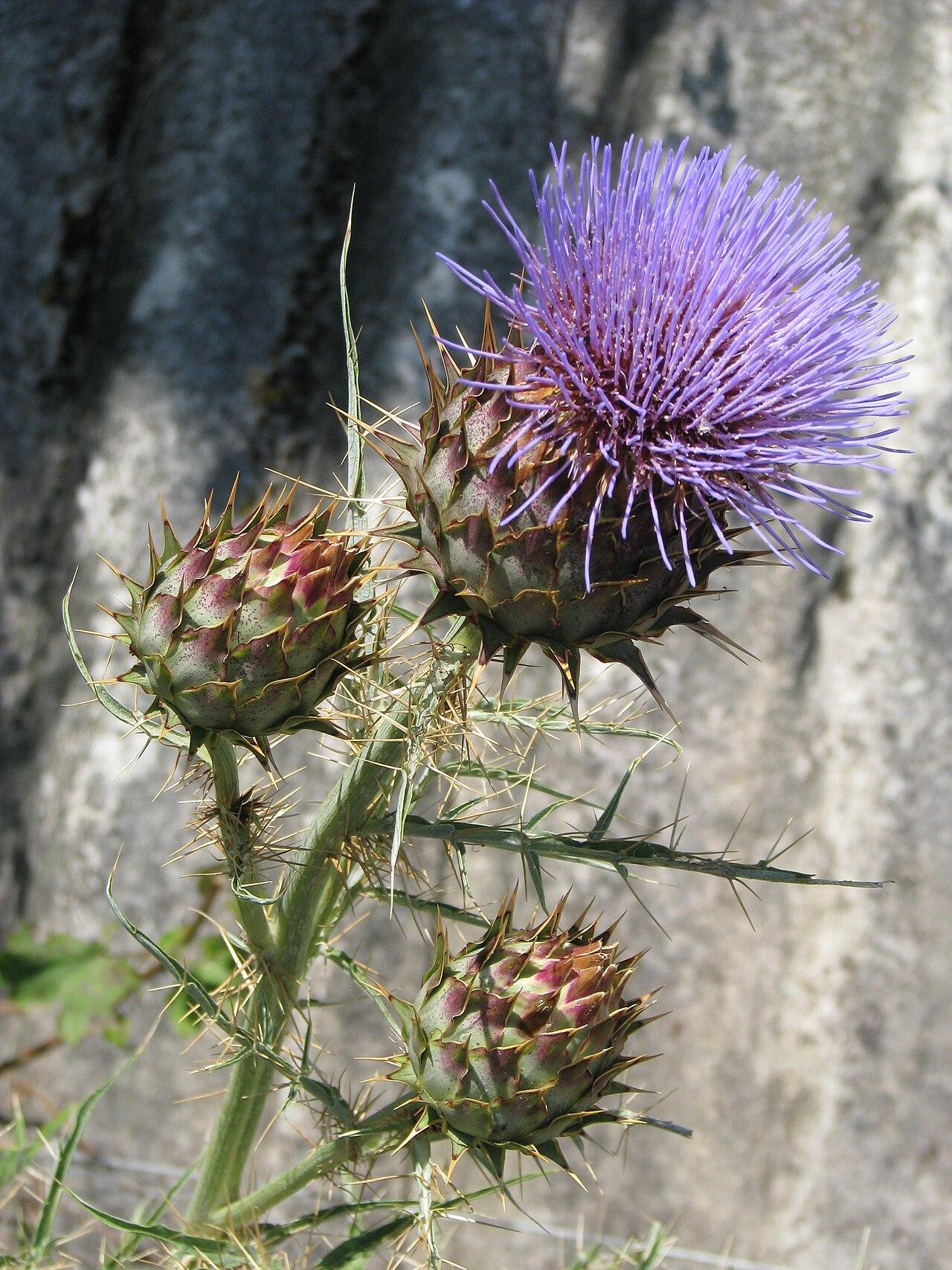
Artichoke tea is made from the dried leaves of the artichoke plant, and it is mostly used for digestion. The European Medicines Agency (EMA), the medicines regulator of the European Union, says artichoke leaf can be used for indigestion with a sensation of fullness, bloating and flatulence. That conclusion rests on long-standing use, not on strong trial evidence. We found no human trial of artichoke tea itself.
Nearly all the human research used artichoke leaf extract or a juice concentrate, not tea. Pooled results of those trials show lower cholesterol and liver enzymes and slightly lower blood sugar. The effects are modest, and the reviews do not all agree. Treat the numbers on this page as results for extracts, not for a cup of tea.
Some people should not use artichoke leaf. The EMA says artichoke leaf medicines must not be used by people with certain liver and bile duct disorders, or by people allergic to plants of the Asteraceae family. Those medicines include herbal tea.
What artichoke tea is good for
- Indigestion: the European Medicines Agency allows artichoke leaf for indigestion with fullness, bloating and gas, based on long-standing use, not strong trials
- Cholesterol: a review of 9 trials with 702 people found extract lowered total cholesterol by 17.6 mg/dL versus comparison groups; extract, not tea, and a Cochrane review called the evidence not convincing
- Liver tests: extract lowered ALT and AST in five trials of 333 people with fatty liver; a trial of 40 people before weight-loss surgery saw AST rise
- Blood sugar: fasting blood sugar was 5.28 mg/dl lower in nine trials of extract; HbA1c did not change
- Safety: mild diarrhea, belly spasm, nausea, heartburn and allergic reactions are listed; not for certain liver or bile duct disorders
- Pregnancy and breastfeeding: no data found
Artichoke tea benefits, graded by the evidence
Strong = multiple human trials or a meta-analysis. Moderate = a few small trials. Preliminary = early, traditional or animal data.
May lower total cholesterol (as an extract)
Moderate evidenceA meta-analysis of 9 trials with 702 people found artichoke extract lowered total cholesterol by 17.6 mg/dL, LDL cholesterol by 14.9 mg/dL and triglycerides by 9.2 mg/dL compared with comparison groups. HDL cholesterol did not change. A Cochrane review of three trials with 262 people said there is an indication of benefit, but the evidence is not convincing yet. In one trial, 75 adults took 1280 mg of a standardized extract daily for 12 weeks. Total cholesterol fell 4.2% (7.16 to 6.86 mmol/L), but LDL, HDL and triglycerides did not differ from placebo. All of this is extract, not tea.
Key evidenceSahebkar et al., Crit Rev Food Sci Nutr 2018: meta-analysis of 9 trials, 702 people
May lower liver enzymes in fatty liver (as an extract)
Moderate evidenceA meta-analysis of five trials with 333 people who had nonalcoholic fatty liver disease found artichoke leaf extract lowered ALT and AST compared with control. In one double-blind trial, 100 people with fatty liver took 600 mg of extract daily or placebo for 2 months, and ALT and AST fell compared with placebo with no side effects reported. A small trial in 40 people awaiting weight-loss surgery found less liver fat but a rise in AST in the extract group. Liver enzymes are a lab marker, and none of this was tea.
Key evidenceKamel et al., J Med Food 2022: meta-analysis of five trials, 333 patients
May slightly lower fasting blood sugar (as an extract)
Moderate evidenceA meta-analysis of nine trials found artichoke products lowered fasting blood sugar by 5.28 mg/dl compared with comparison groups. Fasting insulin and HbA1c did not change significantly (HbA1c difference -0.09). These were extracts and other artichoke products, not tea, and the effect on blood sugar was small.
Key evidenceJalili et al., Complement Ther Med 2020: meta-analysis of nine trials
Indigestion (traditional use)
Preliminary evidenceThe EMA allows artichoke leaf preparations for indigestion with fullness, bloating and flatulence on the basis of long-standing use. It also reviewed clinical studies, but could not draw firm conclusions because the studies were small, short and poorly designed. One open study followed 516 people with self-reported dyspepsia, and 454 finished 2 months of extract at 320 or 640 mg daily. Symptoms fell by an average of 40% in the global dyspepsia score compared with the start. It compared people with their own baseline, not with placebo, and it used extract, not tea.
Key evidenceMarakis et al., Phytomedicine 2002: open study of 516 people
May slightly lower blood pressure (as an extract)
Moderate evidenceA 2025 meta-analysis found artichoke supplements lowered systolic blood pressure by 2.49 mmHg and diastolic by 1.53 mmHg. These are small changes. In a trial of people with mild hypertension, 50 or 100 mg of artichoke leaf juice concentrate for 12 weeks lowered systolic pressure from baseline. These were extract and juice concentrate, not tea.
Key evidenceJafari et al., Diabetes Metab Syndr 2025: meta-analysis of artichoke supplements
Is artichoke tea good for you?
- Artichoke tea has not been tested in a human trial. Any benefit you read about comes from extracts or juice concentrate.
- The firmest human data are modest drops in cholesterol, liver enzymes and fasting blood sugar with extracts. Reviews disagree on how convincing the cholesterol result is.
- The EMA says artichoke leaf medicines are for adults and adolescents over 12. If symptoms last longer than 2 weeks, see a doctor or other qualified healthcare practitioner.
- Skip it if you have certain liver or bile duct disorders or an allergy to plants of the Asteraceae family.
How to brew artichoke tea
1 to 2 teaspoons of dried artichoke leaf per 8 oz cup. No source we reviewed gives a tested amount for tea.
Just-boiled water poured over the leaf, with the cup covered
5 to 10 minutes
- Keep the cup covered while it steeps.
- Strain before drinking.
How much per day
No trial has set a safe or useful amount of artichoke tea. The EMA's guidance on artichoke leaf medicines is for adults and adolescents over 12, and it says to see a doctor or qualified healthcare practitioner if symptoms last longer than 2 weeks. In one mouse study of a leaf water extract, a test for DNA damage rose only at the highest dose tested, and the authors advised drinking artichoke tea with moderation.
Caffeine-free. It is not made from the tea plant (Camellia sinensis), which is where the caffeine in green and black tea comes from. Does artichoke tea have caffeine?
Side effects, interactions and who should limit it
Side effects
- Slight diarrhea with belly spasm, nausea and heartburn; the EMA says how often is not known
- Allergic reactions, including in people allergic to plants of the Asteraceae family
- In trials of extract, adverse events were reported as mild, short-lived and infrequent
- A rise in the liver enzyme AST in a trial of 40 people with obesity awaiting weight-loss surgery
Interactions
- Liver and bile duct disorders: the EMA says artichoke leaf medicines must not be used with certain disorders of the liver and bile ducts
- Cholesterol, blood sugar and blood pressure medicines: we found no interaction study of artichoke tea. A review of extract trials said it may be synergistic with lipid-lowering therapy, so ask your clinician or pharmacist before regular use, and do not change a prescribed medicine on your own
- Other medicines and herbs: no data found
Pregnancy and breastfeeding
We found no data on artichoke tea or artichoke leaf in pregnancy or breastfeeding in the sources reviewed, so its safety is unknown. Ask your clinician before drinking it regularly.
Frequently asked questions
What is artichoke tea?
Artichoke tea is a caffeine-free herbal tea made from the dried leaves of the artichoke plant, Cynara cardunculus, also called Cynara scolymus. The European Medicines Agency (EMA) says herbal medicines made from artichoke leaf are usually available as herbal tea to be drunk, and in solid or liquid forms.
What is artichoke tea good for?
It is traditionally used for indigestion with fullness, bloating and gas. The European Medicines Agency (EMA) accepts this use based on long-standing use, and says firm conclusions could not be drawn from the small, short clinical studies it reviewed. Studies of artichoke extract also looked at cholesterol, liver tests and blood sugar, but no trial tested the tea.
Does artichoke tea lower cholesterol?
No trial has tested the tea. A 2018 meta-analysis of 9 trials with 702 people found artichoke extract lowered total cholesterol by 17.6 mg/dL compared with comparison groups. A Cochrane review of 3 trials with 262 people said the evidence is not convincing yet. Both looked at extract, not tea.
Is artichoke tea good for your liver?
Trials of artichoke leaf extract in people with fatty liver found lower liver enzymes. A meta-analysis pooled five trials with 333 people. But a small 2026 trial in 40 people awaiting weight-loss surgery saw AST rise in the extract group. No trial tested the tea. The European Medicines Agency (EMA) says artichoke leaf medicines must not be used with certain disorders of the liver and bile ducts.
What are the side effects of artichoke tea?
The European Medicines Agency (EMA) lists slight diarrhea with belly spasm, nausea and heartburn for artichoke leaf medicines, plus allergic reactions. How often they happen is not known. In trials of extract, adverse events were reported as mild, short-lived and infrequent.
Who should not drink artichoke tea?
The European Medicines Agency (EMA) says artichoke leaf medicines must not be used by people with certain liver and bile duct disorders or an allergy to plants of the Asteraceae family. They are for adults and adolescents over 12 only. We found no data on pregnancy or breastfeeding, so ask your clinician first.
Can you drink artichoke tea every day?
No trial has set a safe daily amount for the tea. The European Medicines Agency (EMA) says to see a doctor or qualified healthcare practitioner if symptoms last longer than 2 weeks while taking artichoke leaf medicines. In a mouse study, the highest dose raised a test for DNA damage, and the authors advised moderation.
How do you make artichoke tea?
Pour just-boiled water over dried artichoke leaf, cover the cup and let it steep. See the brewing section on this page for the amount and time. No source we reviewed gives a tested amount for tea.
References
- European Medicines Agency. Cynarae folium - herbal medicinal productView source
- Wider B, Pittler MH, Thompson-Coon J, Ernst E. Artichoke leaf extract for treating hypercholesterolaemia. Cochrane Database Syst Rev (2013)View source
- Holländer S, Marth E, Scherber PR, Spiliotis A, et al.. Artichoke leaf extract reduces steatosis and decreases liver size in prebariatric patients: A randomized placebo-controlled pilot trial-The "SteatoChoke-Study". J Clin Lipidol (2026)View source
- Sahebkar A, Pirro M, Banach M, Mikhailidis DP, et al.. Lipid-lowering activity of artichoke extracts: A systematic review and meta-analysis. Crit Rev Food Sci Nutr (2018)View source
- Jalili C, Moradi S, Babaei A, Boozari B, et al.. Effects of Cynara scolymus L. on glycemic indices:A systematic review and meta-analysis of randomized clinical trials. Complement Ther Med (2020)View source
- Bundy R, Walker AF, Middleton RW, Wallis C, et al.. Artichoke leaf extract (Cynara scolymus) reduces plasma cholesterol in otherwise healthy hypercholesterolemic adults: a randomized, double blind placebo controlled trial. Phytomedicine (2008)View source
- Roghani-Dehkordi F, Kamkhah AF. Artichoke leaf juice contains antihypertensive effect in patients with mild hypertension. J Diet Suppl (2009)View source
- Kamel AM, Farag MA. Therapeutic Potential of Artichoke in the Treatment of Fatty Liver: A Systematic Review and Meta-Analysis. J Med Food (2022)View source
- Panahi Y, Kianpour P, Mohtashami R, Atkin SL, et al.. Efficacy of artichoke leaf extract in non-alcoholic fatty liver disease: A pilot double-blind randomized controlled trial. Phytother Res (2018)View source
- Marakis G, Walker AF, Middleton RW, Booth JC, et al.. Artichoke leaf extract reduces mild dyspepsia in an open study. Phytomedicine (2002)View source
- Zan MA, Ferraz AB, Richter MF, Picada JN, et al.. In vivo genotoxicity evaluation of an artichoke (Cynara scolymus L.) aqueous extract. J Food Sci (2013)View source
- Jafari A, Karimi MA, Mahmoudinezhad M, Razavi F, et al.. Artichoke and cardiometabolic health: A systematic and meta-analytic synthesis of current evidence. Diabetes Metab Syndr (2025)View source
Guides that rank artichoke tea
Go deeper
Other teas
Is artichoke tea right for you?
Ask AskMN. It knows these studies, checks interactions with the medications you tell it about, and it is free and unlimited, no account needed.
This page is educational and is not medical advice. Herbal teas can interact with prescription medicines. Talk with a clinician or pharmacist before relying on any of them, especially if you are pregnant, breastfeeding, have a chronic condition, or take medication.