
What is ashwagandha tea good for?
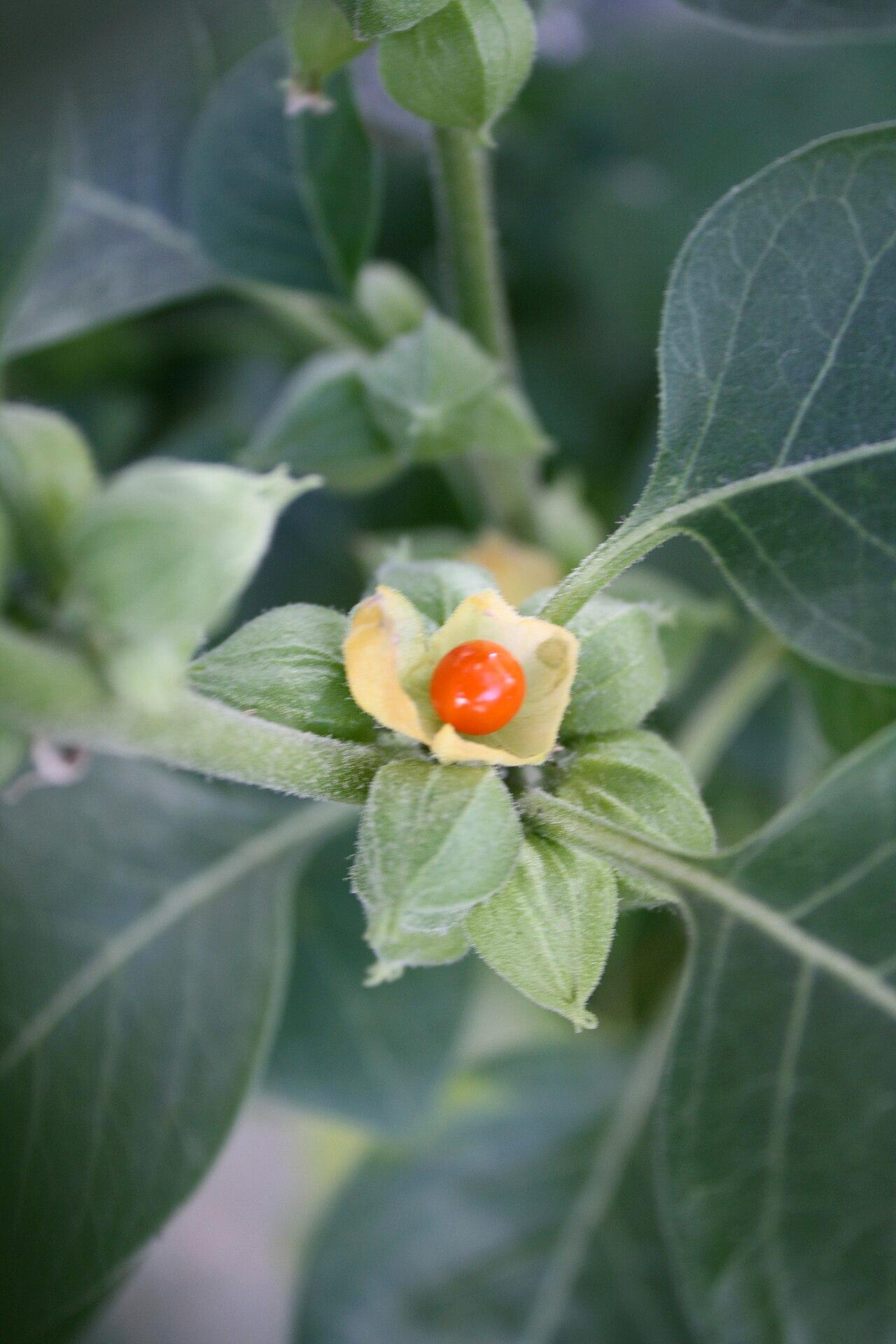
Withania somnifera roots (sometimes leaves), an evergreen shrub also called Indian ginseng
Ashwagandha tea is mostly drunk for stress and sleep. The evidence for the tea itself is thin: in the sources reviewed for this page we found no trial of ashwagandha tea. The trials used capsules or standardized extracts of the root, or of the root and leaf. The National Center for Complementary and Integrative Health (NCCIH), part of the U.S. National Institutes of Health, says that some ashwagandha preparations may be effective for insomnia and stress, while the evidence about anxiety is unclear.
Ashwagandha (Withania somnifera) is an evergreen shrub found in parts of India, Africa, and the Middle East. It has been used as a medicinal plant for thousands of years, especially in Ayurvedic medicine. Memorial Sloan Kettering Cancer Center says it is generally safe to use in food and tea, but that supplements are stronger than the herbs you would use in cooking.
Ashwagandha is not right for everyone. NCCIH says it should be avoided during pregnancy. It also says that rare cases of liver injury have been linked to ashwagandha supplements. Who should skip it is covered below.
What ashwagandha tea is good for
- Stress: a pooled analysis of 12 trials with 1,002 people found lower stress with ashwagandha extract than with placebo, but the certainty of the evidence was low; extract, not tea
- Anxiety: results are mixed; a pooled analysis of five trials with 254 people found lower anxiety scores, while NCCIH says the evidence is unclear
- Sleep: five trials with 400 people found a small improvement in sleep with ashwagandha extract; extract, not tea
- The tea itself: we found no trial of ashwagandha tea in the sources reviewed
- Pregnancy: avoid it; NCCIH also says not to use it while breastfeeding
- Safety: rare liver injury has been linked to supplements, and it is not recommended with thyroid or autoimmune disorders or before surgery
Ashwagandha tea benefits, graded by the evidence
Strong = multiple human trials or a meta-analysis. Moderate = a few small trials. Preliminary = early, traditional or animal data.
May ease stress (shown with extracts, not tea)
Moderate evidenceA 2022 meta-analysis pooled 12 randomized trials with 1,002 people and found that ashwagandha extract lowered stress compared with placebo (SMD: -1.75). The authors rated the certainty of the evidence as low. A 2024 meta-analysis of nine trials with 558 patients also found lower Perceived Stress Scale scores (MD = -4.72). Not every trial agreed: in a 12-week trial of overweight adults aged 40-75, the drop in stress was not different from placebo (p = 0.867). All of these used extracts, not tea.
Key evidenceAkhgarjand et al., Phytother Res 2022: meta-analysis of 12 trials, 1,002 people
May ease anxiety (shown with extracts, not tea; results mixed)
Moderate evidenceA 2022 meta-analysis found lower anxiety than placebo with ashwagandha extract (SMD: -1.55), with low certainty. A 2024 meta-analysis of five trials with 254 people found lower Hamilton Anxiety Scale scores (MD = -5.96). NCCIH, however, says the evidence about anxiety is unclear. None of these tested tea.
Key evidenceFatima et al., Hum Psychopharmacol 2024: meta-analysis of five trials, 254 people
May improve sleep (shown with extracts, not tea)
Moderate evidenceA 2021 meta-analysis of five randomized trials with 400 people found a small but significant effect of ashwagandha extract on overall sleep (SMD -0.59). The effect was larger in adults with insomnia, at doses of 600 mg/day or more, and with 8 weeks or more of use. In one trial of 150 healthy adults with poor restorative sleep, 120 mg of extract once daily for six weeks raised self-reported sleep quality by 72%, compared with 29% on placebo (p < 0.001). These were extracts, not tea.
Key evidenceCheah et al., PLoS One 2021: meta-analysis of five trials, 400 people
Lowers cortisol, a stress hormone (a lab marker, not a symptom)
Moderate evidenceA 2026 meta-analysis of twenty-three trials with 1706 patients found that oral ashwagandha lowered cortisol compared with placebo (SMD -1.18). A review of 9 studies lasting 30 to 112 days also found lower cortisol. That review noted that none of the studies looked at the effect of lower cortisol on adrenal function or at long-term effects. These were supplements, not tea.
Key evidenceFornalik et al., Planta Med 2026: meta-analysis of twenty-three trials, 1706 people
May lower fatigue (one trial of an extract; mixed)
Preliminary evidenceIn a 12-week trial of overweight adults aged 40-75 with self-reported stress and fatigue, fatigue scores on the Chalder Fatigue Scale fell more with ashwagandha extract than with placebo (p = 0.016). In another trial of overweight men aged 40-70 with mild fatigue, fatigue improved over time but there were no significant differences between the ashwagandha and placebo groups. Neither trial tested tea.
Key evidenceSmith et al., J Psychopharmacol 2023: 12-week randomized trial in overweight adults
Is ashwagandha tea good for you?
- Memorial Sloan Kettering Cancer Center says it is generally safe to use ashwagandha in food and tea. The human trials, though, tested extracts and capsules, so they do not show what a cup of tea does.
- Extracts may help with stress and sleep, but the certainty of the evidence is low, and NCCIH says the evidence about anxiety is unclear.
- Rare cases of liver injury have been linked to ashwagandha supplements. Talk with your health care providers about any herb you use.
- Avoid it during pregnancy and breastfeeding. NCCIH also says it is not recommended for people about to have surgery or those with autoimmune or thyroid disorders.
- It may be safe in the short term (up to 3 months). Long-term safety is not known.
How to brew ashwagandha tea
1 to 2 teaspoons of dried ashwagandha root per 8 oz cup. No source reviewed gives a tea recipe or a tea dose.
Just-boiled water, covered
5 to 10 minutes
- Cover the cup while it steeps, then strain before drinking.
- Supplements are stronger than the herbs you would use in cooking, so a cup of tea is not the same as the extract doses used in the trials.
How much per day
No source reviewed gives a safe amount of ashwagandha tea, and the trials used extracts at set doses, not tea. NCCIH says ashwagandha may be safe in the short term (up to 3 months) and that there is not enough information on long-term safety. One review of cortisol trials advised that supplements be used under medical supervision.
Caffeine-free. It is not made from the tea plant (Camellia sinensis), which is where the caffeine in green and black tea comes from. Does ashwagandha tea have caffeine?
Side effects, interactions and who should limit it
Side effects
- Drowsiness, stomach upset, diarrhea and vomiting in some people
- Nausea, headache and stomach irritation; mild drowsiness, upper stomach discomfort and loose stools are the most commonly reported effects
- Liver injury, which is rare but has been linked to ashwagandha supplements; symptoms improved after stopping in the reports
- Thyrotoxicosis (too much thyroid hormone) in case reports linked to ashwagandha supplements; symptoms resolved after use stopped
- Single case reports of kidney transplant rejection and of adrenal axis suppression after prolonged use
Interactions
- NCCIH says ashwagandha might interact with medicines for diabetes and high blood pressure, medicines that lower the immune response, sedatives, anti-seizure medicines and thyroid hormone medicines
- Benzodiazepines, anticonvulsants and barbiturates: Memorial Sloan Kettering Cancer Center says people taking these should likely avoid ashwagandha because it may have sedative effects; ask your doctor before combining them
- Thyroid or autoimmune disorders, or an upcoming surgery: NCCIH says ashwagandha is not recommended
- Hormone-sensitive prostate cancer: avoid it, because it may increase testosterone levels
- Lab tests: ashwagandha may cause a false rise in a digoxin test and may increase thyroxine levels
Pregnancy and breastfeeding
Avoid ashwagandha during pregnancy. The National Center for Complementary and Integrative Health (NCCIH), part of the U.S. National Institutes of Health, says it should be avoided in pregnancy, and Memorial Sloan Kettering Cancer Center says it may increase the risk of miscarriage. NCCIH also says it should not be used while breastfeeding.
Frequently asked questions
What is ashwagandha tea?
Ashwagandha tea is a caffeine-free herbal tea made from the root of Withania somnifera, an evergreen shrub also called Indian ginseng. The National Center for Complementary and Integrative Health (NCCIH), part of the U.S. National Institutes of Health, says the plant has been used as a medicine for thousands of years, especially in Ayurveda. We found no trial of the tea itself.
Does ashwagandha tea help with stress and anxiety?
No trial has tested the tea. Trials of ashwagandha extract found lower stress than placebo in a pooled analysis of 12 trials with 1,002 people, but the certainty of the evidence was low. The National Center for Complementary and Integrative Health (NCCIH) says the evidence about anxiety is unclear.
Does ashwagandha tea help you sleep?
It has not been tested as a tea. A pooled analysis of five trials with 400 people found that ashwagandha extract had a small but significant effect on sleep. The effect was larger in adults with insomnia. The National Center for Complementary and Integrative Health (NCCIH) says some preparations may be effective for insomnia.
Is ashwagandha tea safe?
Memorial Sloan Kettering Cancer Center says it is generally safe to use ashwagandha in food and tea. But the National Center for Complementary and Integrative Health (NCCIH) says that rare cases of liver injury have been linked to ashwagandha supplements. It may be safe in the short term (up to 3 months), and long-term safety is not known.
Who should not drink ashwagandha tea?
The National Center for Complementary and Integrative Health (NCCIH) says to avoid ashwagandha during pregnancy and not to use it while breastfeeding. It is not recommended for people about to have surgery or those with autoimmune or thyroid disorders. People with hormone-sensitive prostate cancer should avoid it. Talk with your health care providers before using it if you take any medicine.
Can you drink ashwagandha tea while pregnant?
No. Memorial Sloan Kettering Cancer Center says not to use ashwagandha if you are pregnant because it may increase your risk of miscarriage. The National Center for Complementary and Integrative Health (NCCIH) also says it should be avoided during pregnancy.
Does ashwagandha raise testosterone?
The National Center for Complementary and Integrative Health (NCCIH) says there is some limited evidence that taking ashwagandha for 2 to 4 months may increase testosterone levels and sperm quality. Because of this, it says people with hormone-sensitive prostate cancer should avoid it. The studies used supplements, not tea.
References
- National Center for Complementary and Integrative Health. Ashwagandha: Usefulness and SafetyView source
- Memorial Sloan Kettering Cancer Center. AshwagandhaView source
- Akhgarjand C, Asoudeh F, Bagheri A, Kalantar Z, et al.. Does Ashwagandha supplementation have a beneficial effect on the management of anxiety and stress? A systematic review and meta-analysis of randomized controlled trials. Phytother Res (2022)View source
- Cheah KL, Norhayati MN, Husniati Yaacob L, Abdul Rahman R. Effect of Ashwagandha (Withania somnifera) extract on sleep: A systematic review and meta-analysis. PLoS One (2021)View source
- Della Porta M, Maier JA, Cazzola R. Effects of Withania somnifera on Cortisol Levels in Stressed Human Subjects: A Systematic Review. Nutrients (2023)View source
- Smith SJ, Lopresti AL, Fairchild TJ. Exploring the efficacy and safety of a novel standardized ashwagandha (Withania somnifera) root extract (Witholytin®) in adults experiencing high stress and fatigue in a randomized, double-blind, placebo-controlled trial. J Psychopharmacol (2023)View source
- Fatima K, Malik J, Muskan F, Raza G, et al.. Safety and efficacy of Withania somnifera for anxiety and insomnia: Systematic review and meta-analysis. Hum Psychopharmacol (2024)View source
- Arumugam V, Vijayakumar V, Balakrishnan A, B Bhandari R, et al.. Effects of Ashwagandha (Withania Somnifera) on stress and anxiety: A systematic review and meta-analysis. Explore (NY) (2024)View source
- Deshpande A, Irani N, Balkrishnan R, Benny IR. A randomized, double blind, placebo controlled study to evaluate the effects of ashwagandha (Withania somnifera) extract on sleep quality in healthy adults. Sleep Med (2020)View source
- Lopresti AL, Drummond PD, Smith SJ. A Randomized, Double-Blind, Placebo-Controlled, Crossover Study Examining the Hormonal and Vitality Effects of Ashwagandha ( Withania somnifera) in Aging, Overweight Males. Am J Mens Health (2019)View source
- Fornalik M, Malkiewicz A, Adamczak D, Nawrocki F, et al.. Hormonal Modulation with Withania somnifera: Systematic Review and Meta-Analysis of Randomized-controlled Trials. Planta Med (2026)View source
Guides that rank ashwagandha tea
Go deeper
Other teas
Is ashwagandha tea right for you?
Ask AskMN. It knows these studies, checks interactions with the medications you tell it about, and it is free and unlimited, no account needed.
This page is educational and is not medical advice. Herbal teas can interact with prescription medicines. Talk with a clinician or pharmacist before relying on any of them, especially if you are pregnant, breastfeeding, have a chronic condition, or take medication.