
What is milk thistle tea good for?
Silybum marianum seeds (dried fruits), a member of the daisy family (Asteraceae)
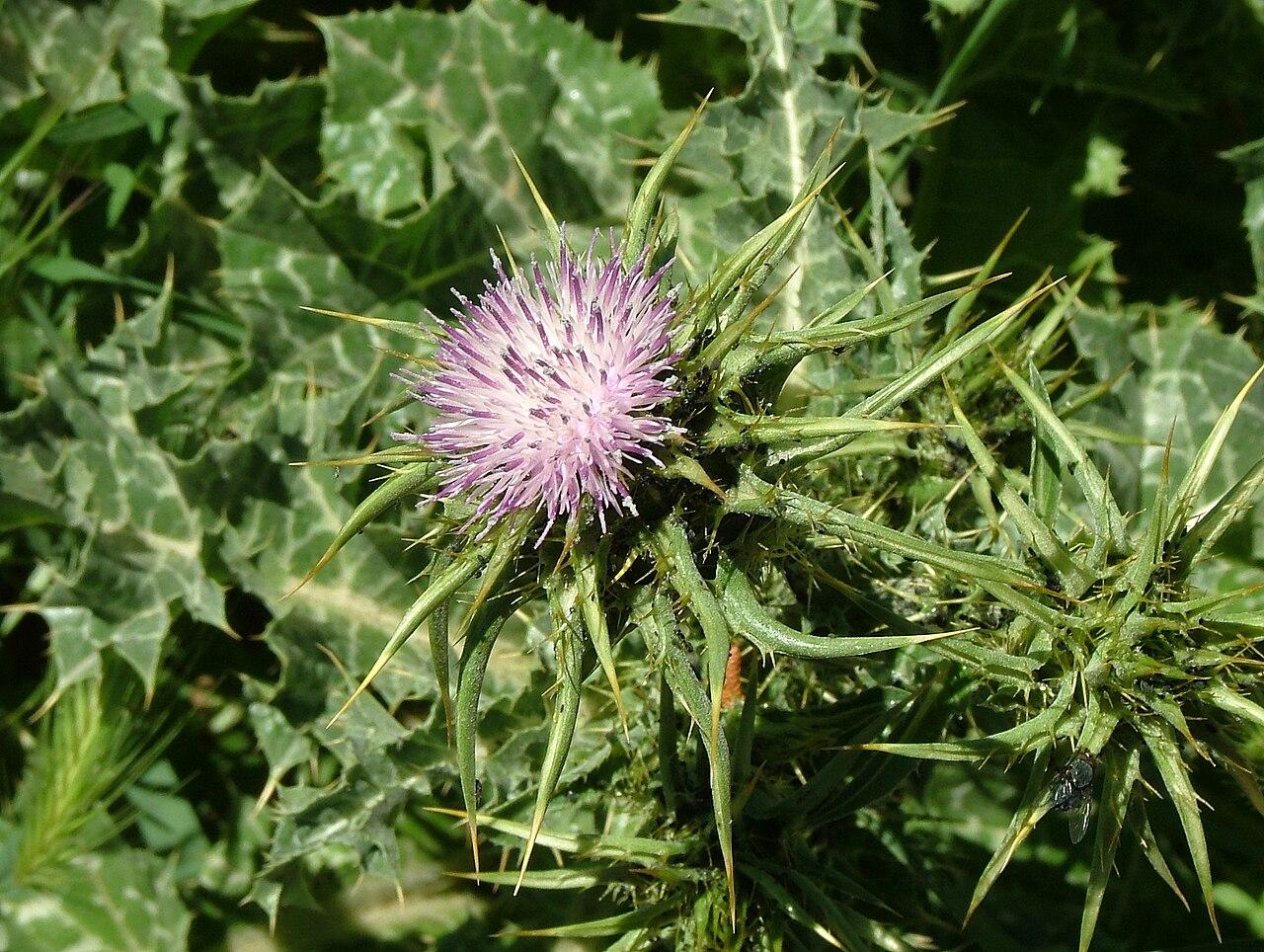
Milk thistle tea is used mostly for the liver, but the evidence for the tea itself is thin: we found no human trial of milk thistle tea. The research used silymarin, a mixture of compounds from the seed, in supplements that are usually sold as capsules, softgels, tablets and liquid extracts. The National Center for Complementary and Integrative Health (NCCIH), part of the U.S. National Institutes of Health, says there is not enough high-quality evidence to reach definite conclusions about milk thistle and health conditions in people.
Milk thistle is a tall plant with large purple flowers that is native to Europe. Its Latin name is Silybum marianum. The part used is the dried fruit, often called the seed. The European Medicines Agency (EMA), an agency of the European Union, says milk thistle fruit preparations are usually available as herbal tea to be drunk. The plant is related to daisies and ragweed, so people who are allergic to those plants should not drink it.
Below we say what was tested in each study, whether it was the tea or an extract, and in whom. We also cover how to brew it and who should avoid it.
What milk thistle tea is good for
- Fatty liver: a review of 26 randomized trials with 2,375 patients found lower liver enzymes with silymarin extract, but a 99-patient trial of 700 mg three times a day did not meet its main goal; extract, not tea
- Blood sugar: a small number of studies in people suggest milk thistle extracts may help in type 2 diabetes; no trial of the tea
- Liver disease in general: traditional use to support liver function; trials of extracts gave conflicting results
- Indigestion and fullness: traditional use only; we found no trial of the tea
- Safety: do not drink it if you are allergic to ragweed, daisy or related plants; for adults only
Milk thistle tea benefits, graded by the evidence
Strong = multiple human trials or a meta-analysis. Moderate = a few small trials. Preliminary = early, traditional or animal data.
Fatty liver disease (as an extract)
Moderate evidenceA review of 26 randomized controlled trials with 2,375 people who have non-alcoholic fatty liver disease (NAFLD) found that silymarin lowered the liver enzymes ALT and AST and improved fat in the liver on liver tissue tests. The authors say the effects need to be confirmed by further research. One randomized trial in 99 people with the more severe form, NASH, gave 700 mg of silymarin three times a day or placebo for 48 weeks. The share of people who met its main goal did not differ (32.7% on silymarin vs 26.0% on placebo), though liver scarring (fibrosis) fell by one point or more in 22.4% on silymarin vs 6.0% on placebo. NCCIH says trial results for fatty liver have been conflicting, and two studies it funded, one in hepatitis C and one in NASH, did not show benefits. All of this was silymarin extract, not tea.
Key evidenceLi et al., Ann Hepatol 2024: meta-analysis of 26 randomized trials, 2,375 patients; Wah Kheong et al., Clin Gastroenterol Hepatol 2017: randomized trial, 99 patients
Blood sugar control in type 2 diabetes (as an extract)
Moderate evidenceNCCIH says a small number of studies in people suggest milk thistle extracts may help control blood sugar in people with type 2 diabetes. Most of that research was done in Middle Eastern countries, so it is unclear whether the same results would be seen elsewhere. A review of Iranian plants that found 23 randomized trials of herbs for type 2 diabetes named Silybum marianum (milk thistle) among those with the best evidence for blood sugar control. These were extracts, not tea.
Key evidenceShojaii et al., Acta Med Iran 2011: systematic review of randomized trials of Iranian herbs for type 2 diabetes
Liver function (traditional use)
Preliminary evidenceThe European Medicines Agency says milk thistle fruit preparations can be used to support liver function based on long-standing traditional use, after a doctor has ruled out serious conditions. It says the evidence from clinical trials is insufficient. A review of fourteen placebo-controlled trials found no reduction in deaths and no gain in liver biopsy results or blood tests of liver function. Another review reported fewer liver-related deaths in a pooled analysis of trials in people with cirrhosis, so the sources disagree. All of this was extract, not tea.
Key evidenceJacobs et al., Am J Med 2002: systematic review and meta-analysis of fourteen randomized placebo-controlled trials
Kidney markers after drug-induced kidney injury (as an extract)
Preliminary evidenceA review pooled 7 of 10 clinical trials in people and found that silymarin lowered serum creatinine, a blood marker of kidney function, overall. The drop was clear in people with drug-induced acute kidney injury but not in people with chronic kidney disease, and a daily dose of 280 mg did not work. The authors point to the small number of trials and the big differences between them. These were extracts, not tea.
Key evidenceFrounchi et al., Biochemistry (Mosc) 2025: meta-analysis of 7 trials
Indigestion and a feeling of fullness (traditional use)
Preliminary evidenceThe European Medicines Agency says milk thistle fruit preparations can be used for relief of digestive disorders, a sensation of fullness and indigestion, after a doctor has ruled out serious conditions. This rests on traditional use, not on clinical trials. It says these medicines are for adults, and that a doctor should be consulted if symptoms last longer than 2 weeks or get worse. We found no trial of milk thistle tea for digestion.
Breast milk supply (traditional use)
Preliminary evidenceNCCIH says milk thistle was used historically to increase breast milk production, but it is unclear whether it has any effect. A review of botanicals for women's health lists milk thistle as a traditional milk booster and says rigorous safety and efficacy studies are lacking. We found no trial of the tea.
Is milk thistle tea good for you?
- Milk thistle tea is not proven to help any health condition. We found no human trial of the tea, and trials of milk thistle extracts are mixed.
- The most hopeful research is on silymarin extract for fatty liver and type 2 diabetes, and even that is conflicting or comes from a small number of studies.
- Do not drink it if you are allergic to ragweed, daisies, marigolds, chrysanthemums or related plants.
- If you take any medicine, ask your clinician first. Case reports link milk thistle products to problems with sirolimus, haloperidol, risperidone and warfarin.
- Use it only in adults. Little is known about pregnancy and breastfeeding, so ask your clinician first.
How to brew milk thistle tea
1 to 2 teaspoons of dried milk thistle seed per 8 oz cup. The sources reviewed give no recipe or dose for the tea, so this is the ordinary kitchen method and makes no claim about dose.
Just-boiled water, poured over the seed
5 to 10 minutes, covered
- Keep the cup covered while it steeps.
- Strain before drinking.
How much per day
No source we reviewed gives an amount for milk thistle tea, and no trial tested the tea. The trials used measured silymarin extract, such as 700 mg three times a day for 48 weeks in one trial, which cannot be turned into cups of tea. The European Medicines Agency says milk thistle fruit medicines should only be used in adults, and that a doctor should be consulted if symptoms last longer than 2 weeks or get worse.
Caffeine-free. It is not made from the tea plant (Camellia sinensis), which is where the caffeine in green and black tea comes from. Does milk thistle tea have caffeine?
Side effects, interactions and who should limit it
Side effects
- Digestive symptoms such as bloating, nausea and gas are the most common; the European Medicines Agency also lists dry mouth, upset stomach, stomach irritation and diarrhea
- Allergic reactions, including itching, skin rash and asthma, especially in people who are allergic to ragweed, chrysanthemum, marigold or daisy
- Headache; how often it happens is not known
- High doses of the extract can raise bilirubin and liver enzymes; most people have no symptoms
Interactions
- Sirolimus: milk thistle may increase this medicine's side effects; with sirolimus and nivolumab it may lead to the body rejecting a donor kidney
- Haloperidol and risperidone: 7 cases of pancreatitis were reported after use together with milk thistle; one case of liver injury was reported with aripiprazole
- Warfarin: in one report, a liver supplement that contained milk thistle was followed by a rise in INR from 2.64 to 4.12 in a man taking warfarin, and it returned to normal after he stopped the supplement
- Other medicines: lab studies raised concern, but most human studies found no interaction; one review still advises caution with drugs that have a narrow safe range, so ask your pharmacist
Pregnancy and breastfeeding
Little is known about whether it is safe to use milk thistle during pregnancy or while breastfeeding, so ask your clinician first. One clinical trial of silymarin in pregnancy reported no anomalies, but a safety review still advises caution and more human studies. Milk thistle is used traditionally to raise breast milk supply, but rigorous safety and efficacy studies are lacking.
Frequently asked questions
What is milk thistle tea?
Milk thistle tea is a caffeine-free herbal tea made from the seeds of Silybum marianum, a tall plant with large purple flowers that is native to Europe. The European Medicines Agency (EMA), an agency of the European Union, says milk thistle fruit preparations are usually available as herbal tea to be drunk. The main compound in milk thistle extract is silymarin.
Is milk thistle tea good for your liver?
Nobody knows yet. The European Medicines Agency (EMA) allows milk thistle fruit preparations to be used to support liver function based on traditional use, and says the clinical trial evidence is insufficient. A review of fourteen placebo-controlled trials found no reduction in deaths and no gain in liver biopsy results or blood tests. Another review of silymarin reported fewer liver-related deaths in a pooled analysis of people with cirrhosis. These were extracts, and we found no trial of the tea.
Does milk thistle tea help fatty liver?
The National Center for Complementary and Integrative Health (NCCIH) says trials of milk thistle for liver diseases, including non-alcoholic fatty liver disease, have been conflicting or too limited to reach conclusions. A review of 26 randomized trials in 2,375 people with fatty liver disease found lower liver enzymes with silymarin extract, but the authors say the effects need to be confirmed. None of these tested tea.
Does milk thistle tea lower blood sugar?
The National Center for Complementary and Integrative Health (NCCIH) says a small number of studies in people suggest milk thistle extracts may help control blood sugar in people with type 2 diabetes. Most of that research was done in Middle Eastern countries. We found no trial of the tea. If you take diabetes medicine, talk with your clinician before adding milk thistle.
What are the side effects of milk thistle tea?
The National Center for Complementary and Integrative Health (NCCIH) says the most common side effects are digestive: bloating, nausea and gas. The European Medicines Agency (EMA) also lists dry mouth, upset stomach, stomach irritation, diarrhea and headache, and says allergic reactions can occur. Memorial Sloan Kettering Cancer Center says high doses of the extract can raise bilirubin and liver enzymes, though most people have no symptoms.
Can I drink milk thistle tea with my medicine?
Ask your clinician first. Memorial Sloan Kettering Cancer Center says milk thistle may increase the side effects of sirolimus, and that with sirolimus and nivolumab it may lead to the body rejecting a donor kidney. It also lists 7 cases of pancreatitis with haloperidol or risperidone, one case of liver injury with aripiprazole, and a man on warfarin whose INR rose from 2.64 to 4.12 after using a liver supplement that contained milk thistle. For many other medicines, most human studies found no interaction. We found no report involving the tea itself. Talk with your prescriber before changing anything.
Is milk thistle tea safe during pregnancy or breastfeeding?
The National Center for Complementary and Integrative Health (NCCIH) says little is known about whether it is safe to use milk thistle during pregnancy or while breastfeeding. One clinical trial of silymarin in pregnancy reported no anomalies, but a safety review still says caution should be exercised and more human studies are needed. Milk thistle has been used traditionally to raise breast milk supply, but it is unclear whether it works. Ask your clinician before drinking it.
Has milk thistle tea itself been tested?
We found no trial of milk thistle tea in people. The trials in people used silymarin extract, and a review notes that the flavonolignans in silymarin have low oral bioavailability, meaning little reaches the blood. The National Center for Complementary and Integrative Health (NCCIH) also says some milk thistle supplements contain amounts of silymarin that differ substantially from the label. We found no measurement of how much silymarin ends up in a cup of tea.
References
- National Center for Complementary and Integrative Health. Milk Thistle: Usefulness and SafetyView source
- Memorial Sloan Kettering Cancer Center. Milk ThistleView source
- European Medicines Agency. Silybi mariani fructus - herbal medicinal productView source
- Li S, Duan F, Li S, Lu B. Administration of silymarin in NAFLD/NASH: A systematic review and meta-analysis. Ann Hepatol (2024)View source
- Wah Kheong C, Nik Mustapha NR, Mahadeva S. A Randomized Trial of Silymarin for the Treatment of Nonalcoholic Steatohepatitis. Clin Gastroenterol Hepatol (2017)View source
- Soleimani V, Delghandi PS, Moallem SA, Karimi G. Safety and toxicity of silymarin, the major constituent of milk thistle extract: An updated review. Phytother Res (2019)View source
- Tvrdý V, Pourová J, Jirkovský E, Křen V, et al.. Systematic review of pharmacokinetics and potential pharmacokinetic interactions of flavonolignans from silymarin. Med Res Rev (2021)View source
- Jacobs BP, Dennehy C, Ramirez G, Sapp J, et al.. Milk thistle for the treatment of liver disease: a systematic review and meta-analysis. Am J Med (2002)View source
- Frounchi N, Mahmoodpoor F, Zakavi SS, Eyvazova K, et al.. Nephroprotective Effects of Silymarin: A Systematic Review and Meta-Analysis. Biochemistry (Mosc) (2025)View source
- Gillessen A, Schmidt HH. Silymarin as Supportive Treatment in Liver Diseases: A Narrative Review. Adv Ther (2020)View source
- Shojaii A, Dabaghian FH, Goushegir A, Fard MA. Antidiabetic plants of Iran. Acta Med Iran (2011)View source
- Dietz BM, Hajirahimkhan A, Dunlap TL, Bolton JL. Botanicals and Their Bioactive Phytochemicals for Women's Health. Pharmacol Rev (2016)View source
Guides that rank milk thistle tea
Go deeper
Other teas
Is milk thistle tea right for you?
Ask AskMN. It knows these studies, checks interactions with the medications you tell it about, and it is free and unlimited, no account needed.
This page is educational and is not medical advice. Herbal teas can interact with prescription medicines. Talk with a clinician or pharmacist before relying on any of them, especially if you are pregnant, breastfeeding, have a chronic condition, or take medication.